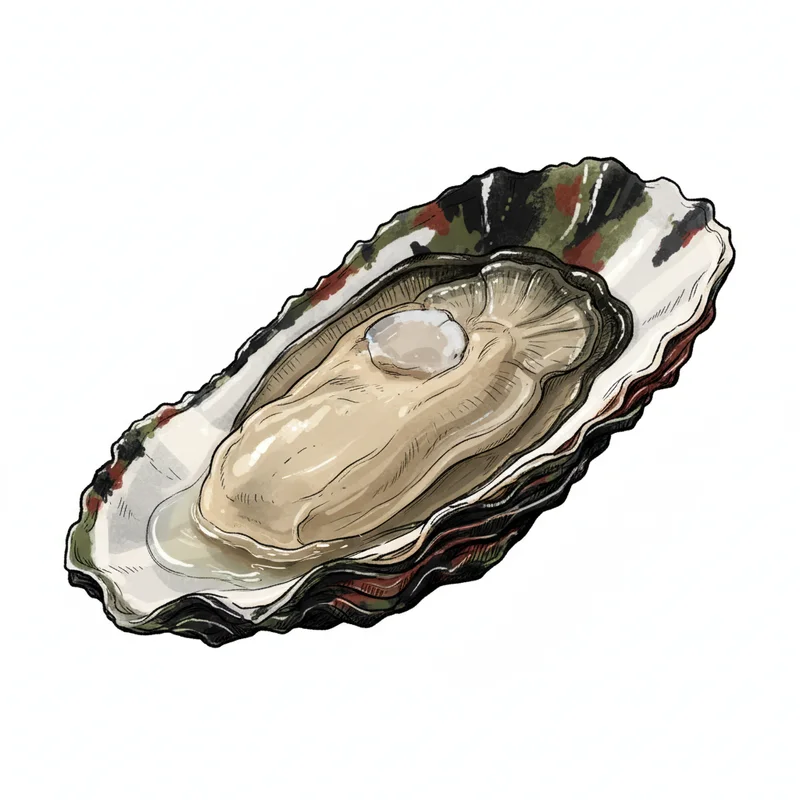
Treasure Cove
Crassostrea gigas
Premium Pacific oyster from Case Inlet in Southern Puget Sound. Deep-cupped with plump meat, offering a distinctive sweet-salty balance with crisp brininess and an intensely sweet, clean finish.
At a Glance
Treasure Cove is a Pacific oyster (Crassostrea gigas) from the US West Coast. It is notably briny (4/5 brininess) and distinctly sweet (4/5 sweetness), with sweet, briny flavors and a finish that is intensely sweet, clean, fresh. It is considered a beginner-friendly oyster.
Flavor Profile
Finish
Intensely sweet, clean, fresh
Expert Notes
Treasure Cove oysters are cultivated using a combination of tumbling and beach rolling methods in the nutrient-rich waters of Case Inlet, resulting in a unique deep-cupped, smooth-shelled Pacific oyster. Named after their proximity to Treasure Island in Puget Sound, these premium oysters offer a distinctive sweet-salty flavor profile with soft, plump meat. The crisp brininess is beautifully balanced with surprising sweetness, delivering a fat mouthful of perfect brine and an intensely sweet, refreshing finish that showcases the pristine waters of Southern Puget Sound. Origin & Characteristics
- Species
- Crassostrea gigas
- Native to
- Japan
- Grown in
- Case Inlet, Southern Puget Sound, Washington
- Size
- Medium to Large (3-4 inches)
- Shell Color
- Black, red, and greenish-brown with fluted tips
- Meat Color
- Plump and cream-colored
What Experts Say
Across 4 sources, tasters describe this oyster as:
Unique notes: lettuce, salty-sweet liquor
"Mild, sweet, and plump with a refreshing finish. They have a distinctive briny taste and a smooth texture."
mildsweetplumpbrinysmooth
"This crisp, sweet oyster had a miraculously delicious after taste ... of lettuce or something?"
crispsweetlettuce
"Soft, plump meat and salty-sweet flavor. The meat is plump and in a pool of liquor."
softplumpsaltysweet
"These oysters have soft, plump meat and salty-sweet liquor. Moderate salinity and a small, manageable size."
softplumpsaltysweetmoderate salinity
About the Farm
Emerald Acres Oysters (Riley family)
Est. 1991The Riley family embarked on this journey in 1991 with a vision to cultivate premium oysters, laying the foundation for a renowned oyster farm in Case Inlet.
- Cultivation Method
- tumbling and beach rolling
History & Background
Treasure Cove Oysters were first cultivated by the Riley family in 1991 in Case Inlet, Southern Puget Sound. The farm utilizes innovative tumbling and beach rolling methods to produce their distinctive deep-cupped oysters.
These oysters are celebrated by enthusiasts and chefs in the Pacific Northwest for their distinct taste experience and premium quality.
Did You Know?
- Named after their spawning location near Treasure Island in Case Inlet of Puget Sound
- Grown from seed using tumbling and beach rolling methods
- The farm pioneered the tide-tumbling method before finishing on beaches
Sources & References
This information was compiled from 4 sources.
- Treasure Cove Oysters - The Oyster Encyclopedia — oysterencyclopedia.com
- Seattle Oyster Tour — inahalfshell.com
- Emerald Acres Oysters — emeraldacresoysters.com
- OysterFinder — oysterguide.com
Similar Oysters
Cold Creek
US West CoastCultivated Pacific oyster from Southern Puget Sound with plump, sweet meat and midsized white-and-black shells. Balanced brininess with a distinctive salty-melon finish reminiscent of a New England clambake.
Eagle Rock
US West CoastClassic Totten Inlet oyster from South Puget Sound. Bag-to-beach cultivated for creamy, sweet meat with high brininess and the distinctive nori finish that defines the region. Saltier than most South Sound varieties.
Hog Island Sweetwater
US West CoastThe signature California oyster from Tomales Bay. Rich and sweet with creamy, buttery texture, balanced brine, and a slightly smoky finish.
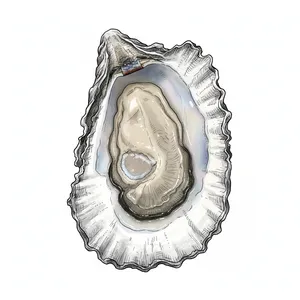
Naked Roy's Beach
US West CoastSuspension-grown Pacific oyster from Samish Bay, Washington. Rich and fruity with hints of rhubarb and sweet notes, balanced by medium brininess. Named after a local character known for perfecting his tan on the beach.
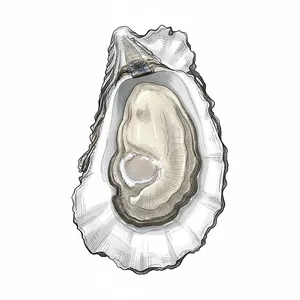
Otter Cove
US West CoastWild-harvested Pacific oyster from Discovery Bay, Washington. Meaty and firm with crisp, briny flavor, mild tanginess, and fresh seaweed notes from continuous feeding in protected rack waters.
Learn More
The Big Five: A Complete Guide to Commercial Oyster Species
Comprehensive guide to C. virginica (Atlantic), C. gigas (Pacific), C. sikamea (Kumamoto), O. lurida (Olympia), and O. edulis (European Flat)
Read article → Biology & SpeciesThe Pacific Oyster (C. gigas): Cream, Cucumber, and the Japanese Legacy
Understanding the world's most cultivated oyster - from Japanese origins to West Coast dominance
Read article → Merroir & EnvironmentWhat Is Merroir? How Water Shapes Oyster Flavor
Merroir is the marine version of terroir: how salinity, temperature, tides, and plankton in the growing water shape an oyster's flavor. The science, plus how to taste it.
Read article →