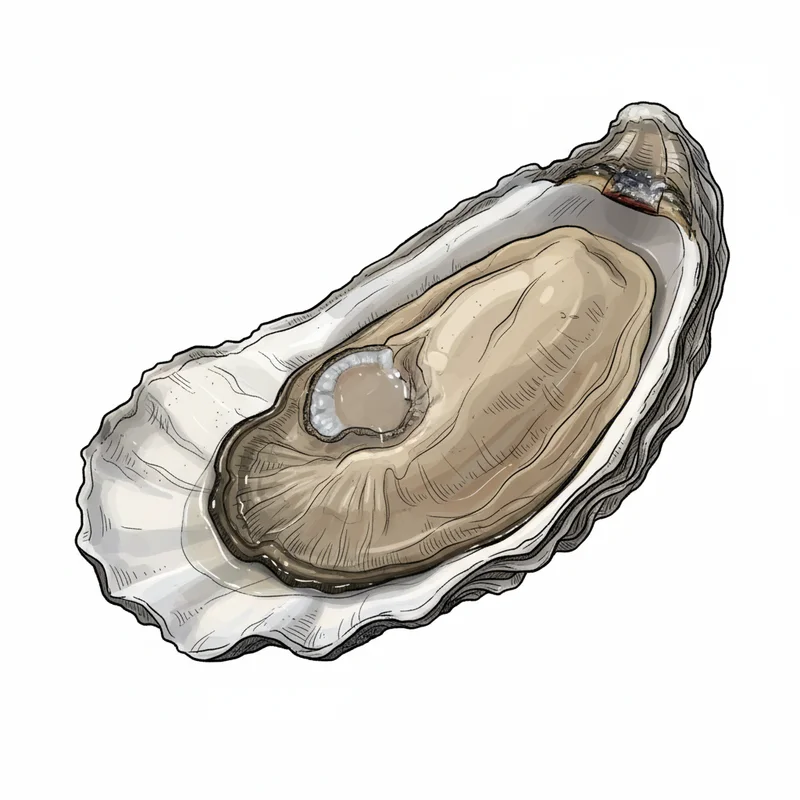
Weskeag
Crassostrea virginica
A medium-sized Maine oyster from the Weskeag River estuary in South Thomaston. Ultra-briny with a distinctive savory, miso-like flavor and smoky kelp finish. Plump and meaty with complex character.
At a Glance
Weskeag is an Eastern oyster (Crassostrea virginica) from the US East Coast. It is notably briny (4/5 brininess) and moderately sweet (3/5 sweetness), with briny, savory, kelp flavors and a finish that is smoky kelp with a mild sweet finish.
Flavor Profile
Finish
Smoky kelp with a mild sweet finish
Expert Notes
Weskeag oysters showcase the ultra-briny character of Maine waters with an unexpected complexity. Grown in stake bags along the Weskeag River to protect them from striped bass, these plump, meaty oysters deliver a pronounced briny punch followed by a distinctive savory, miso-like taste with notes of kelp and smoky dashi. The creamy to light brown meat is substantial and finishes with a clean, mild sweetness that balances the high salinity. Origin & Characteristics
- Species
- Crassostrea virginica
- Native to
- USA
- Grown in
- Weskeag River Estuary, South Thomaston, Maine
- Size
- Medium (2.5-3.5 inches)
- Shell Color
- Gray-white
- Meat Color
- Creamy to light brown
What Experts Say
Across 7 sources, tasters describe this oyster as:
Unique notes: dashi, parsnip, torpedo your taste buds
"Weskeags have that ultra-briny Maine flavor profile, with a little something unusual behind the salt–a savory miso soup kind of taste, all kelp and smoky dashi. The ones I had in October were a tad thin–not unusual for a Maine oyster in fall–but should be plumping up nicely from now through January."
ultra-brinysavorymisokelpsmoky
"Weskeags are 3½ inches and have the ultra-briny Maine flavor profile, with a little something unusual behind the salt- a savory miso soup kind of taste, all kelp and smoky dashi."
ultra-brinysavorymisokelpsmoky
"These shells are squeaky clean and petite! The meat has a blast of brine upfront and slaps you around with sweet cream and parsnip finish."
brinysweetcreamparsnip
"Grown in staked bags to protect them from the striped bass that inhabit the river (and can eat oysters up to two inches in size, shell and all), Weskeags have that ultra-briny Maine flavor profile, with a little something unusual behind the salt–a savory miso soup kind of taste, all kelp and smoky dashi."
ultra-brinysavorymisokelpsmoky
"These oysters are fully grown along the river bottom for 1-2 years and will torpedo your taste buds! These have unique, strong, beautifully shaped shells, and plump full meats with a similar sweet buttery finish."
sweetbutteryplumpstrong
"Finally! A place in Maine that offers quality and value! Did the oyster trail and these were by far the best tasting we've had not just in Maine but of..."
freshdelicious
About the Farm
Weskeag Oyster Company
Est. 2000The farm was established in 2000 and was quite small in the early days until they built an upweller. Oysters are farmed on over seven acres of the beautiful Weskeag river estuary in South Thomaston, Maine.
- Cultivation Method
- bottom culture
History & Background
The Weskeag River farm was established in 2000 in South Thomaston, Maine. The area has a notable connection to George Kittredge, a submarine captain in WWII who made the spot famous when he lived there and developed a business after retiring from the navy.
The name 'Weskeag' originates from the Abenaki Native American term for 'tidal creek' or 'salt creek,' reflecting the indigenous heritage of the region.
Did You Know?
- Oysters are grown in staked bags to protect them from striped bass that fill the river and can eat oysters up to two inches in size, shell and all
- The farm spans over seven acres of the Weskeag river estuary
- Oysters take 1-4 years to reach market size depending on growing method
Sources & References
This information was compiled from 7 sources.
- Weskeags - The Oyster Guide — oysterguide.com
- Live Oysters - Fortune Fish Co. — fortunefishco.net
- Weskeag Oysters from South Thomaston, Maine — islandcreekoysters.com
- About Us - Weskeag Oyster Farm — weskeagoystercompany.com
- Oysters - Weskeag — graffambroslobster.com
- Oysters - Elm Square Oyster Co. — elmsquareoysterco.com
- Where to get the best oysters in Midcoast Maine — kaystephenscontent.com
Similar Oysters
Fishers Island
US East CoastA distinctively bold, deep-cupped Atlantic oyster from Block Island Sound. Grown in suspended lantern nets by a family farm for over 40 years. Briny with focused savory notes, strikingly clean finish, and firm texture.
Beavertail
US East CoastLarge, deeply cupped oyster from Rhode Island's Narragansett Bay with a distinctive beaver tail shape. Bold and briny with buttery sweetness, grown in deep suspended trays that capture pure ocean flavor.
Church Point
US East CoastA large Virginia oyster from the James River and Chesapeake Bay. Known for bold brininess, rich creamy texture, and subtle sweetness with a savory lingering finish that exemplifies classic Virginia Bay character.
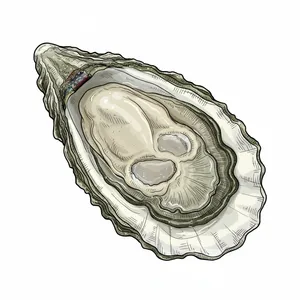
Martha's Vineyard
US East CoastA bold island oyster from Martha's Vineyard, Massachusetts. Large and deep-cupped with an intense briny hit, smooth creamy body, and sweet finish. Known for plumpness and abundant liquor.
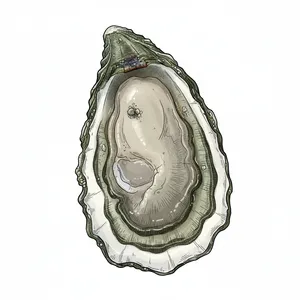
Nonesuch
US East CoastBottom-planted Maine oyster from the Scarborough River nature conservancy. Known for distinctive moss-green shells and hearty meat with a fantastic balance of brine and sweetness, finishing with unique bitter green olive notes and silky texture.
Learn More
The Big Five: A Complete Guide to Commercial Oyster Species
Comprehensive guide to C. virginica (Atlantic), C. gigas (Pacific), C. sikamea (Kumamoto), O. lurida (Olympia), and O. edulis (European Flat)
Read article → Biology & SpeciesThe Atlantic Oyster (C. virginica): From Maritime Brine to Gulf Sweetness
Deep dive into America's indigenous East Coast oyster - flavor profiles, regional variations, and famous varieties
Read article → Merroir & EnvironmentWhat Is Merroir? How Water Shapes Oyster Flavor
Merroir is the marine version of terroir: how salinity, temperature, tides, and plankton in the growing water shape an oyster's flavor. The science, plus how to taste it.
Read article →