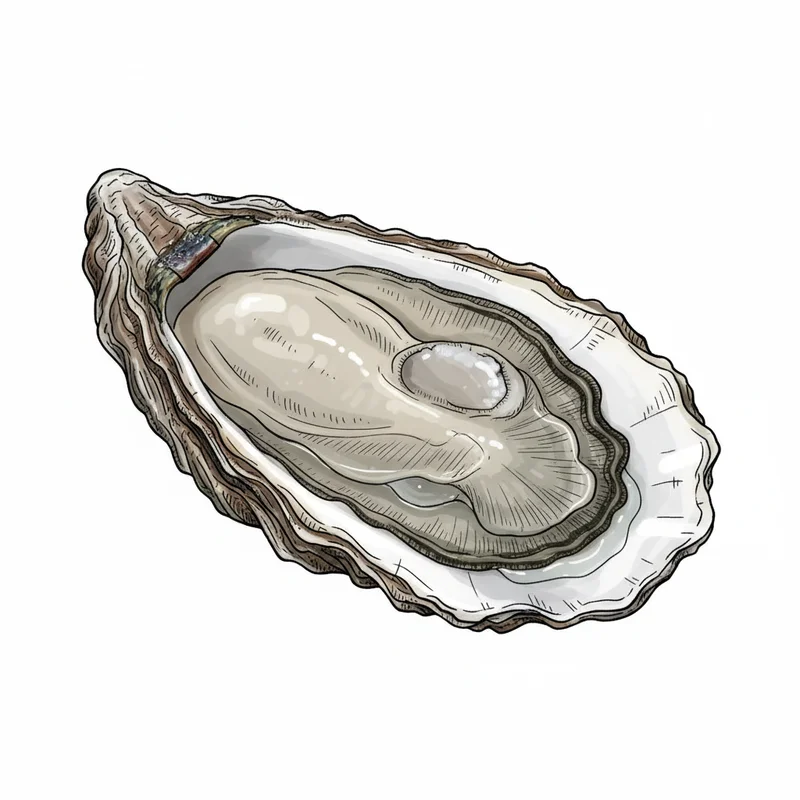
Whaleback Cocktail
Crassostrea virginica
Small Maine cocktail oyster from John's River Estuary. Bottom-grown and cage-floated with crisp Atlantic brininess, buttery texture, and a clean sweet finish with mineral notes.
At a Glance
Whaleback Cocktail is an Eastern oyster (Crassostrea virginica) from the US East Coast. It is notably briny (4/5 brininess) and moderately sweet (3/5 sweetness), with briny, sweet, buttery flavors and a finish that is clean, crisp, sweet with mineral notes.
Flavor Profile
Finish
Clean, crisp, sweet with mineral notes
Expert Notes
Whaleback Cocktails are named after the historic Whaleback Shell Midden on the Damariscotta River, where Native Americans harvested oysters over 1,000 years. These small, bottom-grown oysters are floated in cages near the surface, developing a characteristic Atlantic brininess with a crisp, clean flavor profile. The buttery texture and sweet finish make them excellent cocktail oysters, showcasing the pristine cold waters of Maine's estuaries. Origin & Characteristics
- Species
- Crassostrea virginica
- Native to
- USA
- Grown in
- John's River Estuary, South Bristol, Maine, Damariscotta River, Maine
- Size
- Small (Less than 3 inches)
- Shell Color
- White and brown with hints of green
- Meat Color
- Light gray to cream
What Experts Say
Across 3 sources, tasters describe this oyster as:
Unique notes: kiss of brine, velvety firm, clean ocean finish
"Small oysters grown by Dave Cheney in floating surface equipment in Blackstone Narrows, a constriction in the Damariscotta River–Maine's most revered oyster region–where the current howls through and the temps are warm, making for fast-growing, well-stuffed little oysters."
fast-growingwell-stuffed
"They are slow-grown, which gives these bi-valves a strong shell and velvety firm, plump meats. They have a kiss of brine at the start, followed by a creamy middle and a clean ocean finish, without any after-taste. There is a distinct sweetness to them."
brinycreamycleansweetplump
About the Farm
Dave Cheney
Dave Cheney grows these oysters in South Bristol, ME, specifically in the upper Northern branch of John's River Estuary at the mouth of the Damariscotta River, using floating surface equipment in Blackstone Narrows where strong currents and warm temps promote fast growth.
- Cultivation Method
- suspended culture
History & Background
Named for the nearby Whaleback shell midden, a testament to the fact that Native Americans were enjoying the local oysters in this region centuries ago.
Grown in Maine's most revered oyster region, the Damariscotta River, known for producing exceptional oysters for centuries.
Did You Know?
- Named after a shell midden that shows Native Americans harvested oysters in this location centuries ago
- Grown in Blackstone Narrows where strong currents howl through creating ideal growing conditions
Sources & References
This information was compiled from 3 sources.
- Whaleback Cocktails Oyster — Oysterater
- John's River Oysters — Harbor Fish Market
- Explore the Maine Oyster Trail, eat fresh Maine oysters! — Untamed Mainer
Similar Oysters
Norumbega
US East CoastRobust, meaty oysters from Maine's fabled Damariscotta River. Hand-harvested by scuba divers after 2-3 years bottom-planted. Sweet, buttery opening transitions to refreshing brininess with firm texture and beautiful deep cups.
Scorton Creek
US East CoastPremium Cape Cod oyster from Barnstable Harbor's Great Marsh. Bright, buttery, and exceptionally briny with firm, crisp ivory meats in deep cups. A standout from one of North America's great oyster merroirs.
Cuttyhunk
US East CoastIsland oyster from Cuttyhunk's pristine West End Pond off Massachusetts. Intensely briny with a sweet, buttery finish. Grown in isolation with no river influence, these tender oysters showcase bold salinity balanced by distinctive sweetness.
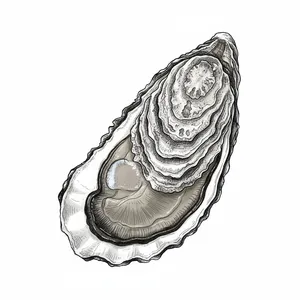
Island Creek
US East CoastThe flagship of New England oysters. Briny and buttery with firm meat, vegetal richness, and a distinctive lobster-stock finish.
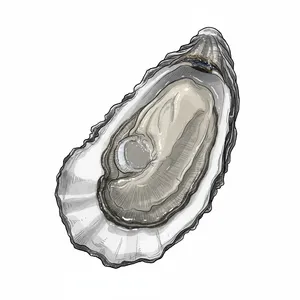
Blue Point (Great South Bay)
US East CoastThe legendary Blue Point oyster, restored to its original Great South Bay home. Full-salt brininess with sweet honeydew finish and distinctive pine and anise notes. A historic American favorite since the 1820s.
Learn More
The Big Five: A Complete Guide to Commercial Oyster Species
Comprehensive guide to C. virginica (Atlantic), C. gigas (Pacific), C. sikamea (Kumamoto), O. lurida (Olympia), and O. edulis (European Flat)
Read article → Biology & SpeciesThe Atlantic Oyster (C. virginica): From Maritime Brine to Gulf Sweetness
Deep dive into America's indigenous East Coast oyster - flavor profiles, regional variations, and famous varieties
Read article → Merroir & EnvironmentWhat Is Merroir? How Water Shapes Oyster Flavor
Merroir is the marine version of terroir: how salinity, temperature, tides, and plankton in the growing water shape an oyster's flavor. The science, plus how to taste it.
Read article →