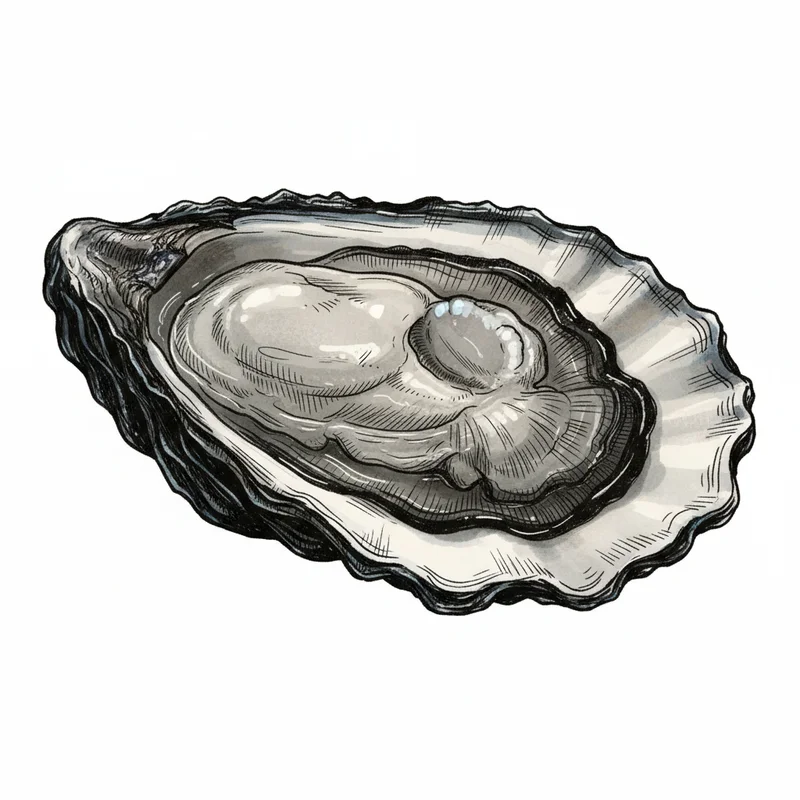
Willapa Bay
Crassostrea gigas
Beach-grown Pacific oyster from Washington's pristine Willapa Bay. Tumbled in tidal bags for smooth, dark shells and crisp texture. Light brininess with sweet, herbaceous notes and a signature cucumber finish.
At a Glance
Willapa Bay is a Pacific oyster (Crassostrea gigas) from the US West Coast. It is moderately briny (3/5 brininess) and moderately sweet (3/5 sweetness), with briny, sweet, cucumber flavors and a finish that is clean cucumber, refreshing, palate-cleansing. It is considered a beginner-friendly oyster.
Flavor Profile
Finish
Clean cucumber, refreshing, palate-cleansing
Expert Notes
Willapa Bay oysters are grown in one of the cleanest estuaries in North America, producing a balanced Pacific oyster with crisp, structured texture. Tumbled in tidal flip bags, they develop smooth, dark shells and firm meats. The flavor profile delivers a crisp briny start, lightly herbaceous mid-palate with hints of thyme and rosemary, and a signature clean cucumber finish. These oysters represent 25% of US oyster production and are praised as 'pure sea' by oyster experts. Origin & Characteristics
- Species
- Crassostrea gigas
- Native to
- Japan
- Grown in
- Willapa Bay, Washington Coast, Oysterville, Washington
- Size
- Small to Medium (2-3 inches)
- Shell Color
- Dark, smooth
- Meat Color
- Cream to light gray
What Experts Say
Across 10 sources, tasters describe this oyster as:
Unique notes: thyme, rosemary, kelp, dusky stone, umami
"The classic Willapa flavor—lightly salty, sweetly cucumber, and delicate, as pure sea as you get in a Pacific oyster—is quite nice and markedly different from most Washington oysters."
lightly saltysweetcucumberdelicateclean
"A light briny flavor and delicate, sweet cucumber notes define the flavor profile of these oysters."
light brinydelicatesweetcucumber
"Willapa Wild oysters have a crisp, briny start, a lightly earthy, herbaceous mid-palate with notes of thyme and rosemary, and a clean cucumber finish. The texture is crisp and structured, holding its shape with minimal creaminess."
crispbrinyearthyherbaceousthyme
"It's got this really nice briny start then it clears to this earthiness, kind of rosemary and thyme herbaceousness, and then finally finishes with this really crisp cucumber finish, and that's unique among oysters in the world."
brinyearthyrosemarythymeherbaceous
"Willapa Bay oysters are bottom cultured and have full, firm meats with a light brininess, sweet flavor and cucumber finish."
light brininesssweetcucumberfullfirm
"Mild brine with creamy meats and a slight kelp finish"
mild brinecreamykelp
"Willapa Bay Oysters have a mild umami taste with a busting-tender texture and a dusky stone finish."
mild umamitenderdusky stone
About the Farm
Multiple producers including Willapa Wild (Oysterville Sea Farms), Nisbet Oyster Co., Elkhorn Oyster Company, Taylor Shellfish
Willapa Bay has been growing oysters since 1850, making it one of the oldest oyster-producing regions in the Pacific Northwest. The bay produces over 40 million pounds of oysters annually, accounting for 25% of U.S. oyster production.
- Cultivation Method
- bottom culture
History & Background
The Washington State oyster industry began in Willapa Bay in 1850 when it was known as Shoalwater Bay, supplying San Francisco forty-niners. Native Olympia oysters were depleted by 1900, leading to the introduction of Eastern oysters in 1896 and Pacific oysters in the 1920s. The first city incorporated in the region was Oysterville in 1852.
Willapa Bay is considered the cleanest estuary in the United States. Many family-owned farms are in their third generation of operation, maintaining a 160+ year oyster farming legacy in the region.
Did You Know?
- Willapa Bay produces 25% of all oysters in the United States
- The bay is flushed daily by tides due to its large size and shallow depth—half the bay is exposed at low tide
- Wind and wave continually agitate Willapa Bay oysters, helping them form hard shells with remarkably deep cups
- Many Willapa oysters don't make it to half-shell service due to irregular shapes, making dining at the source a unique experience
Sources & References
This information was compiled from 10 sources.
- Willapa Bay - The Oyster Guide — oysterguide.com
- Experience Willapa Bay Oysters — evergreencoastwa.com
- What Does a Willapa Wild Oyster Taste Like? — willapawild.com
- Willapa Bay Oysters — chefs-resources.com
- Willapa Bay Oyster — Oysterology Online — pangeashellfish.com
- The Columbian - Willapa Bay Oyster Feature — facebook.com
- Willapa Bay - Penn Cove Shellfish — penncoveshellfish.com
- Willapa Bay and Oregon - The Oyster Guide — oysterguide.com
- Oysters and Willapa Bay — cei.org
- Two Generations of Oyster Farmers from Willapa Bay — goosepoint.com
Similar Oysters
Kachemak Bay
US West CoastSlow-growing Pacific oyster from Alaska's glacial Kachemak Bay waters. More briny and umami-forward than typical Pacifics, with crisp texture, cucumber-melon notes, and a clean vegetal finish with hints of nori and green tea.
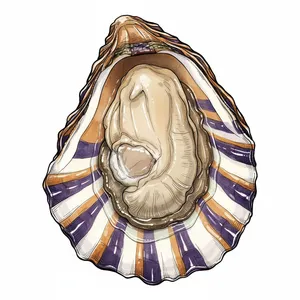
Carlsbad Blonde
US West CoastSouthern California's signature oyster from Carlsbad's Agua Hedionda Lagoon. Grown in suspended culture with distinctive glassy, striped shells. Strongly briny with refreshing melon and cucumber notes, balanced between briny and sweet.
Elkhorn
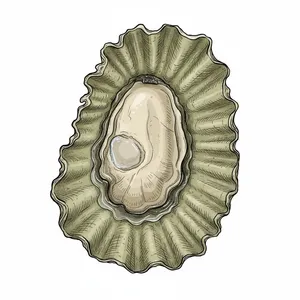
US West CoastBeach-grown Pacific oyster from Washington's Willapa Bay. Firm and meaty with intense, robust flavor featuring high brininess, natural sweetness, and a distinctive mineral-melon finish.
Glacier Point
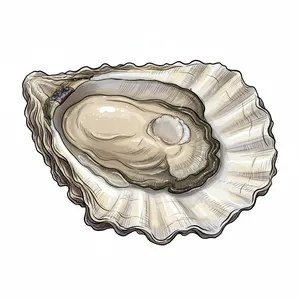
US West CoastAlaskan oyster from Kachemak Bay's glacier-fed waters. Intensely briny and umami-rich with distinctive salinity and thick shell. Less cucumbery than typical Pacifics, with a unique 'touch of king salmon' flavor.
Grassy Bar
US West CoastHand-cultivated Pacific oyster from Morro Bay's high-energy estuary. Deeply briny with crisp sweetness and distinctive cucumber and wet-stone minerality. Entirely grown in Southern-Central California from seed to harvest.
Learn More
The Big Five: A Complete Guide to Commercial Oyster Species
Comprehensive guide to C. virginica (Atlantic), C. gigas (Pacific), C. sikamea (Kumamoto), O. lurida (Olympia), and O. edulis (European Flat)
Read article → Biology & SpeciesThe Pacific Oyster (C. gigas): Cream, Cucumber, and the Japanese Legacy
Understanding the world's most cultivated oyster - from Japanese origins to West Coast dominance
Read article → Merroir & EnvironmentWhat Is Merroir? How Water Shapes Oyster Flavor
Merroir is the marine version of terroir: how salinity, temperature, tides, and plankton in the growing water shape an oyster's flavor. The science, plus how to taste it.
Read article →