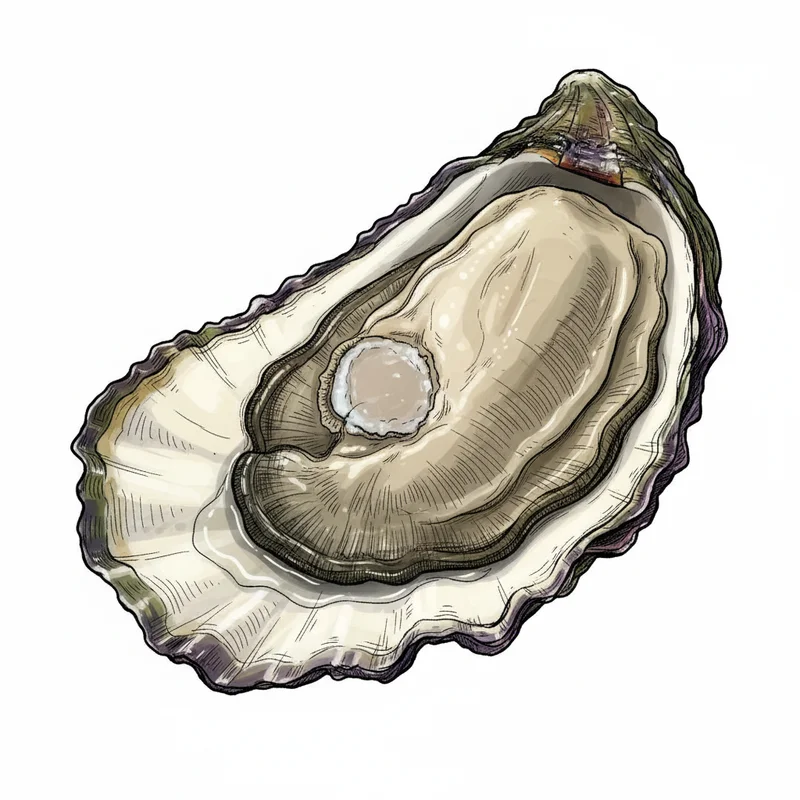
Yaquina
Crassostrea gigas
Large, sweet Pacific oyster from Yaquina Bay, Oregon. Creamy texture with subtle brininess and a clean finish. Grown in nutrient-rich waters with exceptional tidal exchange for a distinctively sweet taste.
At a Glance
Yaquina is a Pacific oyster (Crassostrea gigas) from the US West Coast. It is mildly briny (2/5 brininess) and distinctly sweet (4/5 sweetness), with sweet, mild brine flavors and a finish that is sweet, clean, fresh. It is considered a beginner-friendly oyster.
Flavor Profile
Finish
Sweet, clean, fresh
Expert Notes
Yaquina oysters are cultivated in the unique waters of Yaquina Bay, where 75% of the water exchanges with the Pacific on every tidal cycle. This dynamic ecosystem creates oysters with a distinctively sweet character and subtle brininess. The cold, nutrient-rich waters and minimal freshwater inputs produce exceptionally clean-tasting oysters with a creamy texture and rich, full meat. These large, well-cupped oysters offer the perfect blend of sweetness and saltiness with a fresh, memorable finish. Origin & Characteristics
- Species
- Crassostrea gigas
- Native to
- Japan
- Grown in
- Yaquina Bay, Newport, Oregon
- Size
- Large (3-4 inches)
- Shell Color
- Clean, colorful
- Meat Color
- Full and firm
What Experts Say
Across 8 sources, tasters describe this oyster as:
Unique notes: melony, cucumber-sweet, saline brightness, chewy
"Deep-cupped, sweet, and melony, this is a Pacific masquerading as a Kumamoto. The thin shell and mild flavor clearly mark this oyster as a product of suspension culture."
sweetmelonymilddeep-cupped
"Deliciously chewy and very sweet. The meat was small and slightly crisp. Very little brininess in the finish."
sweetchewycrispclean
"Mild, salty-sweet with a melon finish. They are cultivated in Oregon and have a firm texture. Their flavor is influenced by the cold, nutrient-rich waters of Yaquina Bay."
mildsaltysweetmelonfirm
"From the cucumber-sweet notes of Netarts Bay to the crisp, saline brightness of Yaquina Bay, each oyster reveals a signature blend of salinity, current, and season."
crispsalinebrightbriny
"This oyster has a clean colorful outer shell, while the meat on the inside is full and firm. An easy shucking oyster due to its hard outer shell, flavor is the perfect blend of sweetness and saltiness."
sweetsaltycleanfullfirm
"Yaquina Bay oysters are unique because they grow in this small estuary. There's a lot of water exchange daily. The oyster is briny and crisp, sweet, and reflects its provenance."
brinycrispsweetclean
About the Farm
Oregon Oyster Farms
Est. 1907Founded by the Wachsmuth family in 1907 to supply oysters for Dan and Louis Oyster Bar in Portland. Now owned by Xin Liu since 1997, who is dedicated to sustainable farming and restoring native Olympia oyster populations in Yaquina Bay.
- Cultivation Method
- suspended culture
History & Background
Yaquina Bay was once dubbed 'Oysterville' in the 1800s due to its flourishing native Olympia oysters. The bay was discovered by shipwrecked sailors in 1852 who reported abundant oysters. Commercial oyster firms appeared in 1863, but native Olympias were overharvested to near extinction by 1900. In 1918, Pacific oysters from Japan were introduced and thrived in the bay's cold, nutrient-rich waters.
Yaquina Bay has been a haven for oyster cultivation since the mid-1800s, with deep ties to Oregon's maritime heritage. The area was part of the Grand Ronde reservation, and disputes arose over harvesting rights in the 1860s.
Did You Know?
- The Yaquina Bay oyster industry began with a shipwreck in 1852 when the schooner 'Juliet' was forced ashore
- Oregon Oyster Farms was established to supply Dan and Louis Oyster Bar in Portland, Oregon's oldest oyster bar
- Current owner Xin Liu came from Qingdao, China and has been working to restore native Olympia oyster populations since the 1990s
- The bay provides excellent tidal exchange with minimal freshwater input, creating ideal growing conditions
Sources & References
This information was compiled from 8 sources.
- Yaquina Bay - The Oyster Guide — oysterguide.com
- Oyster Tasting Log - Peek & Eat — peekandeat.blogspot.com
- Yaquina Bay Oysters — chefs-resources.com
- Go Deep: Pacific Northwest Oysters — localocean.net
- Merroir: Oregon's Distinct Oysters — traveloregon.com
- Reviving the Riches of Yaquina Bay: The Story of Oregon Oyster Farms — thebrinybabe.com
- OREGON OYSTER FARMS — discovernewport.com
- Oyster Varieties — theseafoodmerchants.com
Similar Oysters
Barron Point
US West CoastHand-sized Pacific oyster from Little Skookum Inlet in southern Puget Sound. Sweet and mildly salty with plump, tender meat and a distinctive musky finish. A well-balanced West Coast favorite.
Henderson Inlet
US West CoastA community-farmed Puget Sound oyster from a restored watershed. Small and plump with sweet, buttery meat, light salinity, and a distinctive cucumber-earthy finish. All proceeds support water quality restoration.
Skookum
US West CoastA sweet, mild Pacific Northwest oyster from South Puget Sound's Little Skookum Inlet. Melon-scented with low brininess and a creamy, herbaceous finish. Farmed since 1883 using rack & bag to beach cultivation.
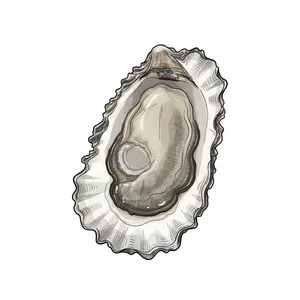
Bald Point
US West CoastSmall, beach-cultured Pacific oyster from Hood Canal, Washington. Low brininess with a sweet, delicate flavor and distinctive musky finish. Hardy shells from intertidal cultivation.
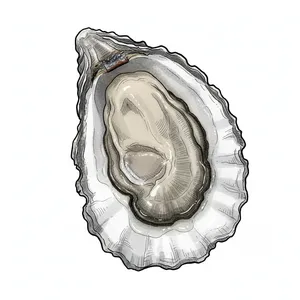
Hammersley Inlet
US West CoastBeach-grown Pacific oyster from South Puget Sound's Hammersley Inlet. Plump and sweet with mild saltiness, rich body, and a distinctive cucumber-melon finish. Grown in nutrient-dense waters for excellent meat-to-shell ratio.
Learn More
The Big Five: A Complete Guide to Commercial Oyster Species
Comprehensive guide to C. virginica (Atlantic), C. gigas (Pacific), C. sikamea (Kumamoto), O. lurida (Olympia), and O. edulis (European Flat)
Read article → Biology & SpeciesThe Pacific Oyster (C. gigas): Cream, Cucumber, and the Japanese Legacy
Understanding the world's most cultivated oyster - from Japanese origins to West Coast dominance
Read article → Merroir & EnvironmentWhat Is Merroir? How Water Shapes Oyster Flavor
Merroir is the marine version of terroir: how salinity, temperature, tides, and plankton in the growing water shape an oyster's flavor. The science, plus how to taste it.
Read article →