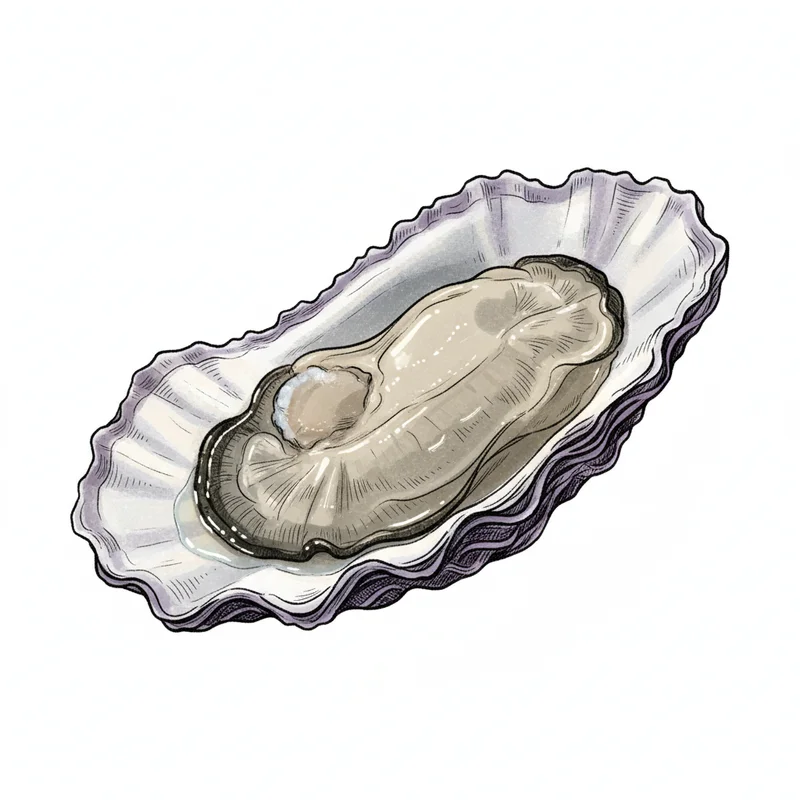
Zen
Crassostrea gigas
A sustainably farmed Pacific oyster from Denman Island, BC. Firm and plump with moderate salinity, mild sweetness, and a distinctive delicate melon finish. Deep-cupped, sculpted shells from tumbling.
At a Glance
Zen is a Pacific oyster (Crassostrea gigas) from the Canada West Coast. It is moderately briny (3/5 brininess) and distinctly sweet (4/5 sweetness), with sweet, melon flavors and a finish that is delicate melon finish, clean and refreshing. It is considered a beginner-friendly oyster.
Flavor Profile
Finish
Delicate melon finish, clean and refreshing
Expert Notes
Zen oysters are cultivated in the deep, cold waters off Denman Island using suspension trays and frequent tumbling, resulting in distinctively sculpted shells with deep cups and firm, plump meats. The moderate salinity balances beautifully with a mildly sweet flavor profile and a signature delicate melon finish. Designed as a competitor to the popular Kusshi oyster, these sustainably farmed, Ocean Wise approved oysters are grown to eliminate spawning, ensuring consistent quality year-round. Origin & Characteristics
- Species
- Crassostrea gigas
- Native to
- Japan
- Grown in
- Denman Island, Baynes Sound, British Columbia
- Size
- Small (up to 3 inches)
- Shell Color
- Purplish-white
- Meat Color
- Cream to light gray
What Experts Say
Across 4 sources, tasters describe this oyster as:
Unique notes: delicate melon finish, purplish-white shells
"Zen oysters have a moderate salinity with firm, plump meats, a mildly sweet flavor, and a delicate melon finish."
moderate salinityfirmplumpmildly sweetdelicate melon finish
"Hog Island Sweetwaters are deliciously plump, sweet, slightly briny and mineral with a slightly smoky finish."
plumpsweetslightly brinymineralslightly smoky finish
About the Farm
A sustainably farmed Pacific oyster from Denman Island in Baynes Sound, British Columbia. Deep water tray-grown oyster.
- Cultivation Method
- suspended culture
History & Background
The name 'Zen' evokes the Japanese practice of savoring oysters slowly, akin to a Zen ritual, emphasizing mindfulness and the experience of being fully present while eating.
Did You Know?
- The shells typically have a purplish-white color and a sculpted, easy to shuck hard shell from tumbling
- These are deep water tray-grown oysters available year-round
Sources & References
This information was compiled from 4 sources.
- Zen Oysters — Chefs Resources
- Dare to pair: tea and oysters — The Tea Squirrel
- The Delights of Eating Oysters — The Oyster's My World
- OysterFinder — Oyster Guide
Similar Oysters
Denman Island
Canada West CoastClean, delicate Pacific oyster from Baynes Sound, BC. Sweet and balanced with moderate brine, firm texture, and a distinctive cucumber finish with hints of watermelon.
Buckley Bay
Canada West CoastA premium Pacific oyster from Baynes Sound, British Columbia. Tray-raised and beach-hardened for firm meats and strong shells. Balanced brininess with distinctive melon and cucumber finish.
Deep Bay
Canada West CoastA sweet, plump Pacific oyster from Vancouver Island's Deep Bay. Cultivated using bag-to-beach methods for consistent deep cups. Features mild brininess with a distinctive light watermelon finish and ultra-clean taste.
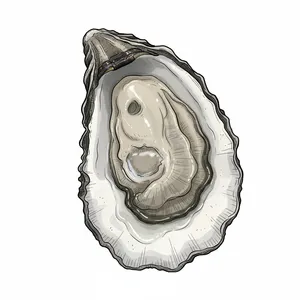
Gigamoto
Canada West CoastA petite farm-raised Pacific oyster from Deep Bay, British Columbia. Small and delicate with balanced brine and sweetness, finishing with distinctive slightly smoky, vegetable-like notes.
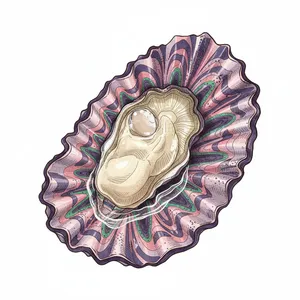
Imperial Eagle Channel
Canada West CoastBeach-cultured Pacific oyster from Barkley Sound on Vancouver Island's wild west coast. Deep-cupped and plump with high brininess balanced by natural sweetness, finishing with distinctive cucumber and watermelon-rind notes.
Learn More
The Big Five: A Complete Guide to Commercial Oyster Species
Comprehensive guide to C. virginica (Atlantic), C. gigas (Pacific), C. sikamea (Kumamoto), O. lurida (Olympia), and O. edulis (European Flat)
Read article → Biology & SpeciesThe Pacific Oyster (C. gigas): Cream, Cucumber, and the Japanese Legacy
Understanding the world's most cultivated oyster - from Japanese origins to West Coast dominance
Read article → Merroir & EnvironmentWhat Is Merroir? How Water Shapes Oyster Flavor
Merroir is the marine version of terroir: how salinity, temperature, tides, and plankton in the growing water shape an oyster's flavor. The science, plus how to taste it.
Read article →