Kumamoto Oyster Crassostrea sikamea
Native range: Originally the Kumamoto region of southern Japan (now farmed on the U.S. West Coast)
Also known as: Kumo, Sikamea
The Kumamoto oyster, Crassostrea sikamea, originated in the Kumamoto region of southern Japan and has become a favorite on the U.S. West Coast since its introduction in the mid-twentieth century. Often called simply a Kumo, it is a small oyster with a deep, sculptural, almost bowl-shaped cupped shell that cradles a plump little morsel of meat. Once thought to be a variety of the Pacific oyster, it is now recognized as a distinct species. Kumamotos are prized for being exceptionally sweet, mild, and approachable, with low brininess, a firm yet creamy texture, and gentle fruity or melon-like notes that make them one of the most beginner-friendly oysters available. They grow slowly, which keeps them petite and concentrates their flavor. For people easing into raw oysters — or anyone who simply prefers a clean, sweet, non-briny bite — the Kumamoto is one of the most reliably crowd-pleasing oysters in the world.
3 oysters of this species
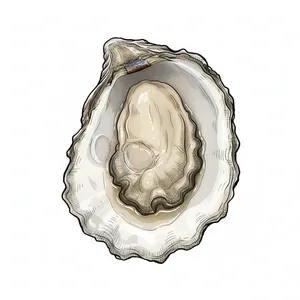
Bodega Bay Kumamoto
US West CoastA petite, deep-cupped Kumamoto oyster from California's Bodega Bay. Delicately sweet with fruity, honeydew melon notes and mild brininess. Perfect for beginners and connoisseurs alike.
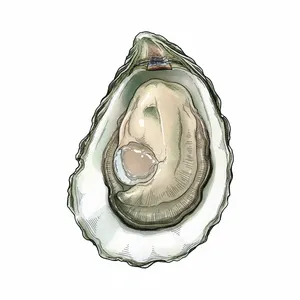
Hog Island Kumamoto
US West CoastExceptionally sweet Kumamoto from Humboldt and Tomales Bay. Tiny, deep-cupped oysters with creamy texture and honeydew-watermelon flavors. Virtually no brininess makes them perfect for beginners.
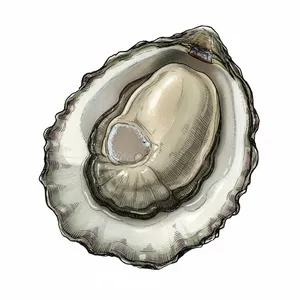
Kumamoto
US West CoastThe gateway oyster. Known for its sweet, melon-forward flavor and petite, deeply cupped shell, the Kumamoto is beloved by beginners and experts alike.
Frequently Asked Questions
What is a Kumamoto oyster?
The Kumamoto oyster (Crassostrea sikamea) is a small, deep-cupped species that originated in southern Japan and is now widely farmed on the U.S. West Coast. It was once thought to be a Pacific oyster but is recognized as a distinct species.
What does a Kumamoto oyster taste like?
Kumamotos are exceptionally sweet, mild, and low in brininess, with a firm yet creamy texture and gentle fruity or melon-like notes. They are one of the most beginner-friendly oysters.
Why are Kumamoto oysters so small?
Kumamotos are naturally slow-growing and stay petite, with a deep, bowl-shaped cup that holds a small, plump morsel of meat. Their slow growth helps concentrate their sweet flavor.