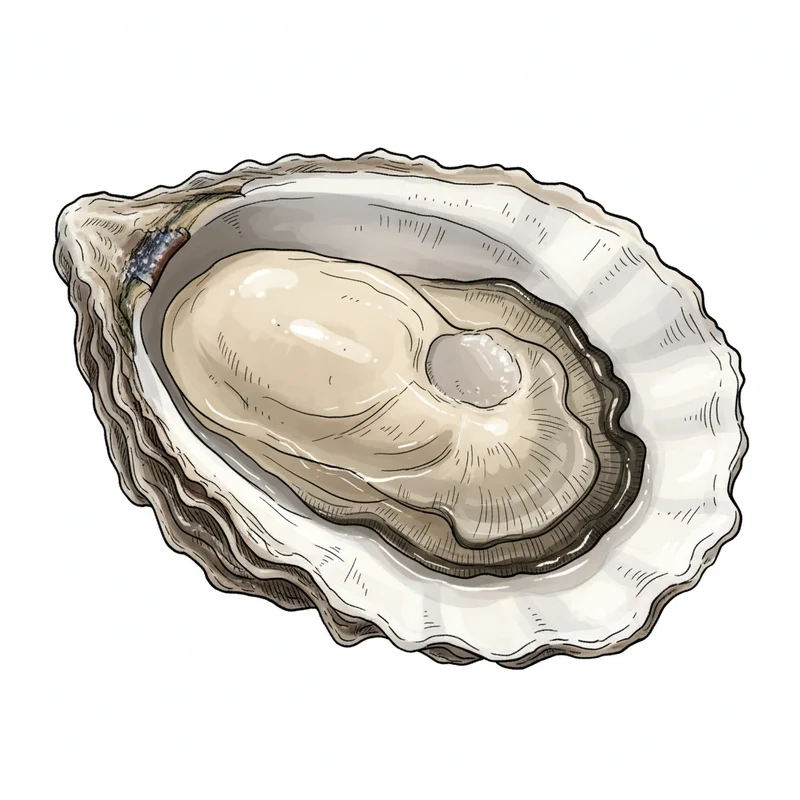
Bodega Bay Kumamoto
Crassostrea sikamea
A petite, deep-cupped Kumamoto oyster from California's Bodega Bay. Delicately sweet with fruity, honeydew melon notes and mild brininess. Perfect for beginners and connoisseurs alike.
At a Glance
Bodega Bay Kumamoto is a Kumamoto oyster (Crassostrea sikamea) from the US West Coast. It is mildly briny (2/5 brininess) and distinctly sweet (4/5 sweetness), with sweet, fruity, melon flavors and a finish that is honeydew melon, fruity, lingering sweetness. It is considered a beginner-friendly oyster.
Flavor Profile
Finish
Honeydew melon, fruity, lingering sweetness
Expert Notes
Bodega Bay Kumamoto oysters exemplify the classic Kumamoto profile with a delicately sweet, mildly fruity character often compared to honeydew melon. Their exceptional flavor profile lacks the pronounced brininess of many oysters, instead offering subtle hints of melon, cucumber, and even kiwi. This makes them incredibly approachable for newcomers while remaining a favorite among connoisseurs who appreciate their nuanced, lingering sweetness and petite, deep-cupped presentation. Origin & Characteristics
- Species
- Crassostrea sikamea
- Native to
- Japan
- Grown in
- Bodega Bay, California
- Size
- Small (1-2 inches)
- Shell Color
- Highly sculptured, fluted shell
- Meat Color
- Petite, cream-colored meat
What Experts Say
Across 5 sources, tasters describe this oyster as:
Unique notes: scallop-sweet, marine-salty, full bodied
"Sweet/Salty Kumamotos grown in rack-and-bag gear in the shallows of Tomales Bay by the sister c..."
sweetsalty
"Can't believe there aren't more five star reviews for these. Just the ideal oyster experience, right amount of brininess, superb "ocean" flavor at the finish!"
brinyocean
"slight brine, sweet, full bodied... these are the best oysters I've ever had for eating on the half shell. Nice briney taste but well balanced with the sweetness of the full bodied oyster"
brinysweetfull bodied
"The definitive California oyster, always marine-salty and scallop-sweet. Beautiful, too."
saltysweetmarinescallop
About the Farm
Sister company in Tomales Bay
Sweet/Salty Kumamotos grown in rack-and-bag gear in the shallows of Tomales Bay
- Cultivation Method
- rack and bag
History & Background
The Kumamoto oyster was introduced to the West Coast from Ariake Bay, Kumamoto Prefecture, Japan in the 1960s. It was once considered a variety of the Pacific oyster, but recently elevated to species status as Crassostrea sikamea.
Kumamotos are prized for their petite, deep-cupped shells and are popular among both beginners and connoisseurs. California's Tomales Bay is a prime growing region for this species.
Did You Know?
- Originally from Ariake Bay in Kumamoto Prefecture, Japan
- Once considered a variety of Pacific oyster but now recognized as its own species
- Grown in the shallows of Tomales Bay using rack-and-bag cultivation
Sources & References
This information was compiled from 5 sources.
- Bodega Bay Kumamoto Oyster — Oysterater
- California Oyster Culture — Marine Aquaculture Extension
- Chapter: 3. Background on Introduced Species — National Academies
- Hog Island Sweetwater Oyster — Oysterater
- California Oysters — Oysterater
Similar Oysters
Kumamoto
US West CoastThe gateway oyster. Known for its sweet, melon-forward flavor and petite, deeply cupped shell, the Kumamoto is beloved by beginners and experts alike.
Pickering Passage
US West CoastA Pacific Northwest oyster from southern Puget Sound's nutrient-rich waters. Medium to large with tender, plump meats. Mild brine balanced with sweet richness and a crisp finish of melon and cucumber.
Steamboat
US West CoastBeach-grown Pacific oyster from Totten Inlet, Puget Sound. Small and deep-cupped with sweet, melon-scented flesh and refreshing cucumber crispness. Exceptionally wine-friendly with mild, earthy character.
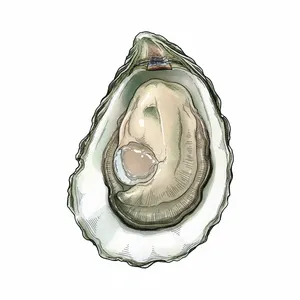
Hog Island Kumamoto
US West CoastExceptionally sweet Kumamoto from Humboldt and Tomales Bay. Tiny, deep-cupped oysters with creamy texture and honeydew-watermelon flavors. Virtually no brininess makes them perfect for beginners.
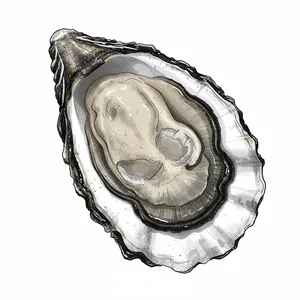
Cold Creek
US West CoastCultivated Pacific oyster from Southern Puget Sound with plump, sweet meat and midsized white-and-black shells. Balanced brininess with a distinctive salty-melon finish reminiscent of a New England clambake.
Learn More
What Is Merroir? How Water Shapes Oyster Flavor
Merroir is the marine version of terroir: how salinity, temperature, tides, and plankton in the growing water shape an oyster's flavor. The science, plus how to taste it.
Read article → Practical GuidesVibrio and Raw Oysters: A Clear-Headed Guide to Oyster Safety
Understanding Vibrio vulnificus without fear-mongering - risk factors, prevention, and when to cook
Read article → Culinary & PairingsBeyond Cocktail Sauce: The Art of the Oyster Mignonette
Classic and creative mignonette recipes engineered to complement specific oyster flavor profiles
Read article →