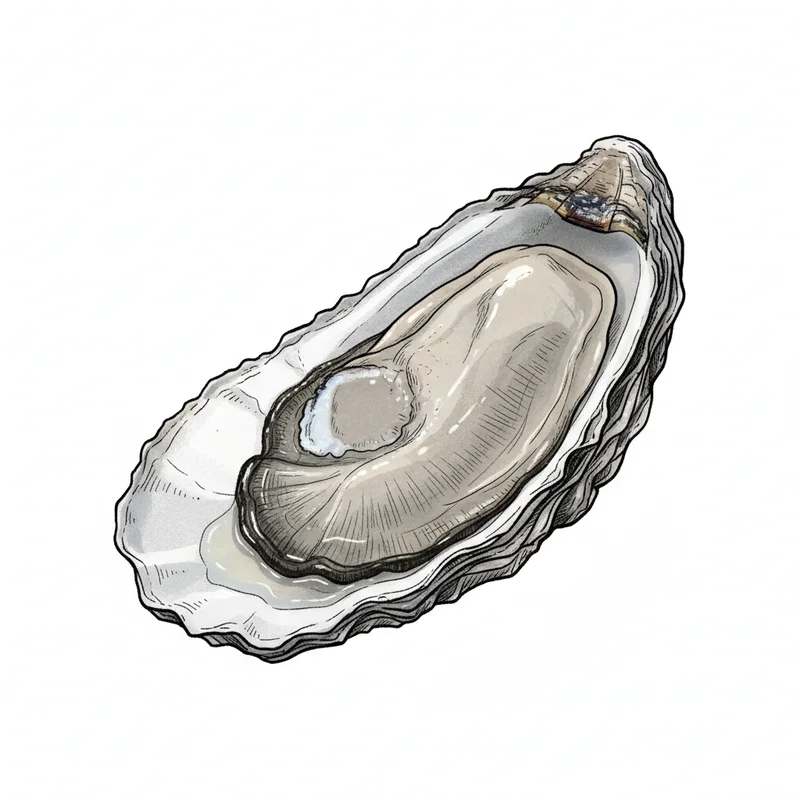
Blue Point (Great South Bay)
Crassostrea virginica
The legendary Blue Point oyster, restored to its original Great South Bay home. Full-salt brininess with sweet honeydew finish and distinctive pine and anise notes. A historic American favorite since the 1820s.
At a Glance
Blue Point (Great South Bay) is an Eastern oyster (Crassostrea virginica) from the US East Coast. It is notably briny (4/5 brininess) and moderately sweet (3/5 sweetness), with briny, sweet flavors and a finish that is crisp, clean, refreshing with honeydew notes. It is considered a beginner-friendly oyster.
Flavor Profile
Finish
Crisp, clean, refreshing with honeydew notes
Expert Notes
The original Blue Point oyster, once again grown in its ancestral home of Great South Bay near Fire Island Inlet. These authentic Blue Points deliver the full-salt assault that made them famous in the 1820s and a favorite of Queen Victoria. The strong currents, shallow waters, and proximity to the Atlantic Ocean create fascinating pine and anise notes, especially in spring, along with a signature honeydew finish. A true American oyster classic that set the standard for excellence. Origin & Characteristics
- Species
- Crassostrea virginica
- Native to
- USA
- Grown in
- Great South Bay, Long Island, New York, Near Fire Island Inlet
- Size
- Medium to Large (3-4 inches)
- Shell Color
- White to gray-white
- Meat Color
- Light gray to cream
What Experts Say
Across 12 sources, tasters describe this oyster as:
Unique notes: pine, anise, savory, prosciutto-like, ocean-forward
"They deliver the full-salt assault that made Blue Points famous in the 1820s, along with fascinating pine and anise notes most apparent in spring."
full-saltbrinypineanise
"The oysters were plumper and more ivory colored than other East Coast oysters I've had recently, with this wonderful savory quality, the way prosciutto is savory."
savoryplumpumami
"Generally, Blue Point oysters have satiny, almost liquid meats with a high brininess and very mild flavor."
brinymildsatinyliquid
"Our Blue Point oysters have a fresh, briny, ocean flavor with a firm texture and mild, sweet aftertaste."
brinyfreshfirmsweetmild
"These oysters deliver a clean, ocean-forward flavor with a firm, meaty texture and a slightly sweet, mineral finish."
cleanocean-forwardfirmmeatysweet
"Briny, sweet, with a smooth mineral finish."
brinysweetmineralsmooth
"Mild taste, meats are full with mild to medium salinity."
mildmedium salinityfull
"Deep, cold waters like we have off Long Island tend to make an oyster briny."
briny
About the Farm
Chris Quartuccio / Blue Sea Oysters
Chris Quartuccio, a former wild oyster diver from Long Island Sound, restored Blue Point oysters to their ancestral home in Great South Bay. He operates from a unique facility—a one-hundred-foot free-standing dock with a cottage built right into the bay near the Fire Island inlet.
- Cultivation Method
- floating bags
History & Background
Blue Point oysters originated in Great South Bay, New York, first cultivated by Humphret Avery around 1815. They became wildly famous in the 1820s in New York City and were even favored by Queen Victoria. By 1824, wild Blue Points were already depleted, though a twenty-three-mile oyster bed was discovered in Great South Bay. The name became genericized over the centuries, with oysters from Connecticut, New Jersey, and Virginia all being called 'Blue Points.' After a century of exile from their original home, genuine Blue Points were restored to Great South Bay in the mid-2000s.
Blue Points are one of the most iconic and recognized oyster names in America, though the name has been widely misused. They were the oyster that made New York City an oyster capital in the 19th century.
Did You Know?
- Queen Victoria's favorite oyster
- The Oyster Bar in Grand Central shucks 6,000 oysters a day, many labeled as Blue Points
- The name 'Blue Point' has become so generic that oysters from multiple states are sold under this label
- Something magical happens to oysters in Long Island's Great South Bay that gives them unique characteristics
Sources & References
This information was compiled from 12 sources.
- Blue Points - The Oyster Guide — oysterguide.com
- Genuine Blue Points - The Oyster Guide — oysterguide.com
- Blue Point Oyster Taste - Chef's Resources — chefs-resources.com
- Blue Point East Coast Oysters - Fulton Fish Market — fultonfishmarket.com
- Fresh Blue Point Oysters - Seafoods of the World — seafoodsoftheworld.com
- Blue Point Oysters - The Oyster Encyclopedia — oysterencyclopedia.com
- East Coast Vs West Coast Oysters: The Crave Fishbar Tasting Guide — cravefishbar.com
- New York Oysters Are Fat and Sassy - Grub Street — grubstreet.com
- Blue Point Oysters - Seafood Directory — hhfreshfish.com
- Blue Points: The Most Bastardized Name in Seafood — pangeashellfish.com
- Shamrock Oyster Farm — shamrockoysters.com
- About - Tall Mutha Shucka — tallmuthashucka.com
Similar Oysters
Broadwater
US East CoastA Virginia oyster grown in Chesapeake waters and finished on the Atlantic side for enhanced salinity. Plump, smooth meat with lively brininess and complex flavor that sets it apart from typical Chesapeake oysters.
Bulls Bay
US East CoastHistoric South Carolina oyster from Bulls Bay. Large and meaty with a firm texture, pronounced briny flavor, and distinctive sweet finish. Shaped by high salinity coastal waters with peak flavor in colder months.
Fishers Island
US East CoastA distinctively bold, deep-cupped Atlantic oyster from Block Island Sound. Grown in suspended lantern nets by a family farm for over 40 years. Briny with focused savory notes, strikingly clean finish, and firm texture.
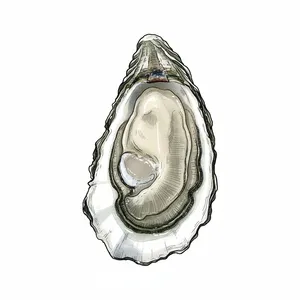
Glidden Point
US East CoastThe definitive Maine oyster from the Damariscotta River. Bottom-cultured in frigid waters, producing thick, heavy shells with deep cups and firm meats. Crisp and complex with pronounced brininess balanced by sweetness.
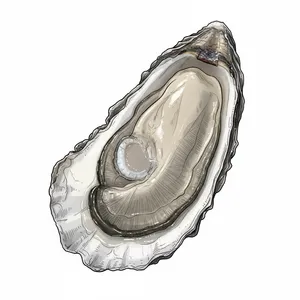
Mystic
US East CoastBottom-planted Connecticut oyster from the Mystic River. Firm, meaty texture with intense brininess from high salinity waters, finishing with a distinctive sweet note. Thick, irregular shells house a robust flavor.
Learn More
The Big Five: A Complete Guide to Commercial Oyster Species
Comprehensive guide to C. virginica (Atlantic), C. gigas (Pacific), C. sikamea (Kumamoto), O. lurida (Olympia), and O. edulis (European Flat)
Read article → Biology & SpeciesThe Atlantic Oyster (C. virginica): From Maritime Brine to Gulf Sweetness
Deep dive into America's indigenous East Coast oyster - flavor profiles, regional variations, and famous varieties
Read article → Merroir & EnvironmentWhat Is Merroir? How Water Shapes Oyster Flavor
Merroir is the marine version of terroir: how salinity, temperature, tides, and plankton in the growing water shape an oyster's flavor. The science, plus how to taste it.
Read article →