
Buckley Bay
Crassostrea gigas
A premium Pacific oyster from Baynes Sound, British Columbia. Tray-raised and beach-hardened for firm meats and strong shells. Balanced brininess with distinctive melon and cucumber finish.
At a Glance
Buckley Bay is a Pacific oyster (Crassostrea gigas) from the Canada West Coast. It is moderately briny (3/5 brininess) and moderately sweet (3/5 sweetness), with briny, melon, clean flavors and a finish that is light melon and cucumber, sweet and refreshing. It is considered a beginner-friendly oyster.
Flavor Profile
Finish
Light melon and cucumber, sweet and refreshing
Expert Notes
Buckley Bay oysters are cultivated in the pristine waters of Baynes Sound using tray-raised and beach-hardened methods, resulting in firm meats with strong shells ideal for shucking. They open with a bright, moderate brininess that's balanced by a crisp, clean flavor profile. The distinctive finish features ripe melon notes with subtle cucumber undertones, creating a refreshing and sophisticated tasting experience that showcases the terroir of British Columbia's productive oyster-growing region. Origin & Characteristics
- Species
- Crassostrea gigas
- Native to
- Japan
- Grown in
- Baynes Sound, near Denman Island, British Columbia
- Size
- Medium to Large (3-4 inches)
- Shell Color
- White to gray
- Meat Color
- Cream
What Experts Say
Across 8 sources, tasters describe this oyster as:
Unique notes: white sugar sweetness, organic undertones, vegetable finish, cucumber
"Firm meat, medium brininess, crisp clean flavor, and a light melon finish."
firmmedium brininesscrispcleanmelon
"White sugar sweetness with a light brine finish and earthy organic undertones."
sweetlight brineearthyorganic
"Sweet flavor with a light brine finish and earthy organic undertones. Fantastic plump meat to shell ratio."
sweetlight brineearthyorganicplump
"A beach grown oyster on the beaches of Denman Island, this is a very hearty oyster with a vegetable finish."
heartyvegetable
"Sweet with a fruity, melon like finish. Beach oyster, melon taste, salty finish."
sweetfruitymelonsalty
About the Farm
Cultivated in Baynes Sound near Denman Island, British Columbia. Baynes Sound is the most productive oyster growing area in British Columbia, with a history of shellfish aquaculture dating back to the 1940s when Joseph McLellan imported the first batch of oyster seed from Japan circa 1947.
- Cultivation Method
- rack and bag
History & Background
Pacific oysters (Crassostrea gigas) were brought to British Columbia from Japan after World War II. Joseph McLellan pioneered oyster aquaculture in the region by importing the first batch of oyster seed from Japan around 1947 and seeding the beach areas around Baynes Sound.
Buckley Bay oysters are named after their growing location near the Buckley Bay Ferry Terminal, which serves as the crossing point to Denman Island. The area is part of Baynes Sound, which produces the majority of farmed oysters in British Columbia.
Did You Know?
- Available at the Fanny Bay Oysters Seafood Shop located at the Buckley Bay Ferry Terminal
- Tray raised and beach hardened for strong shells that make excellent grilling oysters
- Baynes Sound is 40 km long and less than 2 km wide on average
Sources & References
This information was compiled from 8 sources.
- Buckley Bay Oysters - Chefs Resources — chefs-resources.com
- Buckley Bay - Penn Cove Shellfish — penncoveshellfish.com
- Oysters, Buckley Bay - Santa Monica Seafood — santamonicaseafood.com
- West Coast Oysters - Wild Edibles — wildedibles.com
- Catanese Classic Seafood OYSTER, PACIFIC — cataneseclassics.com
- Comox Valley South - Fanny Bay, Buckley Bay etc. — comoxvalleyapictorialview.blogspot.com
- Baynes Sound - Wikipedia — wikipedia.org
- Denman Island Oysters - The Oyster Encyclopedia — oysterencyclopedia.com
Similar Oysters
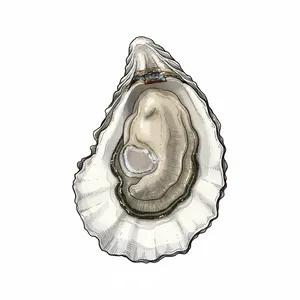
Evening Cove
Canada West CoastBeach cultured Pacific oyster from Vancouver Island's Evening Cove. Features firm meats with a clean, mildly briny flavor and distinctive watermelon finish. Beautiful fluted shells make for elegant presentations.
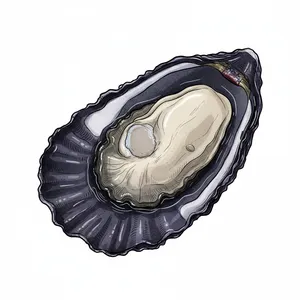
Kusshi
Canada West CoastThe 'ultimate' tumbled oyster. Intensively shaped in mechanical drums to create a smooth, purple-black shell with an exceptionally deep cup and pillowy meat. Clean, delicate flavor with mild brininess.
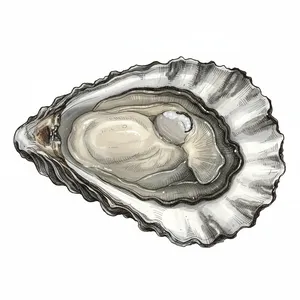
Sawmill Bay
Canada West CoastSustainably farmed Pacific oyster from British Columbia's glacier-fed Discovery Islands. Medium-sized with firm texture, balanced brininess and sweetness, and a crisp, clean finish with subtle umami notes.
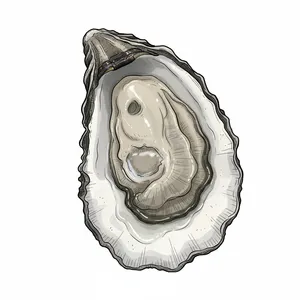
Gigamoto
Canada West CoastA petite farm-raised Pacific oyster from Deep Bay, British Columbia. Small and delicate with balanced brine and sweetness, finishing with distinctive slightly smoky, vegetable-like notes.
Komo Gway
Canada West CoastBeach-grown Pacific oyster from Baynes Sound on Vancouver Island. Clean, briny flavor with firm texture, subtle cucumber notes, and a slightly sweet finish. Harvested from the traditional territory of the K'ómoks First Nation.
Learn More
The Big Five: A Complete Guide to Commercial Oyster Species
Comprehensive guide to C. virginica (Atlantic), C. gigas (Pacific), C. sikamea (Kumamoto), O. lurida (Olympia), and O. edulis (European Flat)
Read article → Biology & SpeciesThe Pacific Oyster (C. gigas): Cream, Cucumber, and the Japanese Legacy
Understanding the world's most cultivated oyster - from Japanese origins to West Coast dominance
Read article → Merroir & EnvironmentWhat Is Merroir? How Water Shapes Oyster Flavor
Merroir is the marine version of terroir: how salinity, temperature, tides, and plankton in the growing water shape an oyster's flavor. The science, plus how to taste it.
Read article →