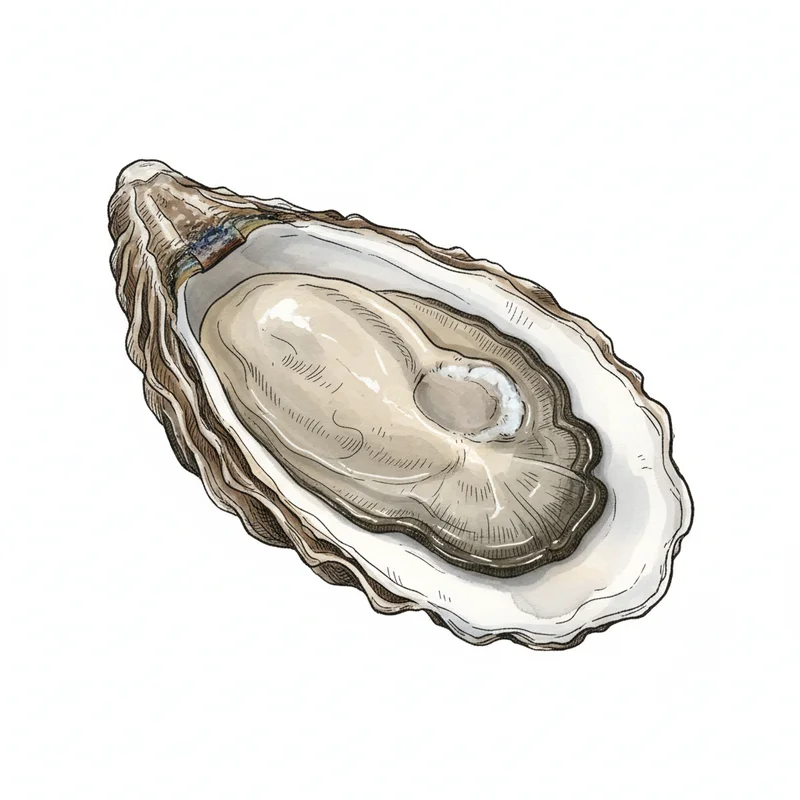
Cape Breton
Crassostrea virginica
Wild-caught oyster from Cape Breton Island's pristine waters in Nova Scotia. Very briny with bright ocean character, firm springy meat, and a lingering mineral finish that reflects the clean Atlantic surroundings.
At a Glance
Cape Breton is an Eastern oyster (Crassostrea virginica) from the Canada East Coast. It is notably briny (4/5 brininess) and moderately sweet (3/5 sweetness), with briny, crisp flavors and a finish that is lingering mineral, crisp, sweet.
Flavor Profile
Finish
Lingering mineral, crisp, sweet
Expert Notes
Cape Breton oysters are true ocean oysters, harvested from the pristine waters of Cape Breton Island where miles of rock and forest ensure some of the cleanest waters in the Atlantic. These wild-caught oysters, primarily harvested by diving with mask and snorkel, deliver bright brine with springy, firm meat and a distinctive lingering mineral finish. Higher in brine than their Northumberland cousins, they showcase the bold, oceanic character of cold northern Canadian waters with a delicate texture and a crisp, sweet finish that balances their intense salinity. Origin & Characteristics
- Species
- Crassostrea virginica
- Native to
- USA
- Grown in
- Bras d'Or Lakes, Cape Breton Island, Nova Scotia, Aspy Bay, Cape Breton Island, Nova Scotia
- Size
- Medium (3-4 inches)
- Shell Color
- Light brown marbled with white
- Meat Color
- Cream to light gray
What Experts Say
Across 9 sources, tasters describe this oyster as:
Unique notes: springy, fleeting, ocean-forward
"Cape Breton is a catchall name for any oysters coming from the island. They can vary from medium to full brine, from medium to large in size."
briny
"Cape Bretons are true ocean oysters, higher in brine, with less of the mineral subtleties of their Northumberland cousins. They also come from perhaps the cleanest waters in the Atlantic, with nothing but miles of rock and woods in all directions."
brinyocean-forwardclean
"Other than brine, they are very light in body—a quintessential Maritime oyster. The oysters are gently placed on the bottom of the lakes, where they spend three more years slowly marinating in the Atlantic brine."
brinylightclean
"These petite bites contained little liquor and were salty upon first taste, but the flavor was ever-so-fleeting."
saltyfleeting
"Bright brine with springy meat and a lingering mineral finish."
brinymineralspringy
"These are farm-raised oysters growing off the northern tip of Nova Scotia in an area called Aspy Bay. The Cape Breton is a very salty oyster with a delicate texture and a crisp, sweet finish."
saltydelicatecrispsweet
About the Farm
Alba Oyster Farm
Melissa and Bill Maclean collect their own wild spat in May and grow the seed oysters for a full year in floating trays, near the surface in summer and down below the ice that covers the lakes the other half of the year.
- Cultivation Method
- bottom culture
History & Background
The Cape Breton oyster industry faced collapse in the late 1990s when the MSX (multinuclear sphere unknown) parasite caused mass mortalities in the Bras d'Or Lake oyster population. Research efforts are ongoing to revive the industry, with Cape Breton University and local growers studying conditions and developing strategies to bring back sustainable oyster farming to the region.
Cape Breton oysters come from some of the cleanest Atlantic waters, surrounded by pristine forests and rocky coastlines. The Bras d'Or Lakes, which nearly turn Cape Breton Island into a donut shape, are immense saltwater bodies that stay brinier than expected due to limited freshwater input.
Did You Know?
- Cape Breton is used as a catchall marketing name for oysters from various locations around Cape Breton Island
- The Bras d'Or Lakes are covered with ice for half the year, with oysters growing beneath
- Some Cape Breton oysters are wild-caught, primarily harvested by diving with mask and snorkel
Sources & References
This information was compiled from 9 sources.
- Cape Breton - Nova Scotia — The Oyster Guide
- Nova Scotia - The Oyster Guide — The Oyster Guide
- Bras D'Or - Nova Scotia — The Oyster Guide
- Cape Breton Oyster — Oysterology Online — Pangea Shellfish
- Oysters & Absinthe at Maison Premiere — In a Half Shell
- Oyster Varieties — The Seafood Merchants
- Cape Breton Oysters — Chefs Resources
- Research breathes new life into possible return of Cape Breton oyster industry — CBC News
- Live Oysters — Fortune Fish & Gourmet
Similar Oysters
Hurricane Island
Canada East CoastHand-harvested from the cold, clean waters of Nova Scotia's Northumberland Strait. Small to medium oysters with intense brininess, firm crisp texture, and a notably sweet finish.
Irish Point
Canada East CoastA cocktail-sized PEI oyster with striking bright green shells. High salinity with a powerful brine that transitions to a sweet, earthy, citrus finish. Excellent meat quality from cold northern waters.
Little Shemogue
Canada East CoastA premium cultured oyster from Southeast New Brunswick's Tormentine Peninsula. Small and plump with medium-high brininess, mineral richness, and a clean, sweet finish. Fresh biscuit aroma makes it an ideal starter oyster.
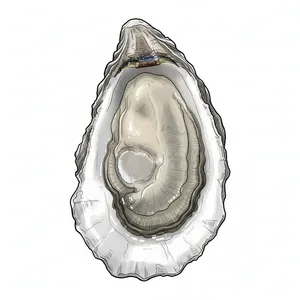
Blackberry Point
Canada East CoastCold-water Prince Edward Island oyster from Foxley River and Malpeque Bay. Large, reliably plump and deep-cupped with mild sweetness upfront and a pleasantly lingering medium-high salinity finish. Hand-tongued from small skiffs.
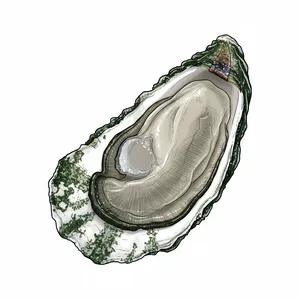
Bras D'or
Canada East CoastWild-harvested Maritime oyster from Cape Breton's Bras D'Or Lakes. Light-bodied with assertive brine, hints of seaweed, and a clean, steely finish. A quintessential Atlantic oyster from pristine Nova Scotia waters.
Learn More
The Big Five: A Complete Guide to Commercial Oyster Species
Comprehensive guide to C. virginica (Atlantic), C. gigas (Pacific), C. sikamea (Kumamoto), O. lurida (Olympia), and O. edulis (European Flat)
Read article → Biology & SpeciesThe Atlantic Oyster (C. virginica): From Maritime Brine to Gulf Sweetness
Deep dive into America's indigenous East Coast oyster - flavor profiles, regional variations, and famous varieties
Read article → Merroir & EnvironmentWhat Is Merroir? How Water Shapes Oyster Flavor
Merroir is the marine version of terroir: how salinity, temperature, tides, and plankton in the growing water shape an oyster's flavor. The science, plus how to taste it.
Read article →