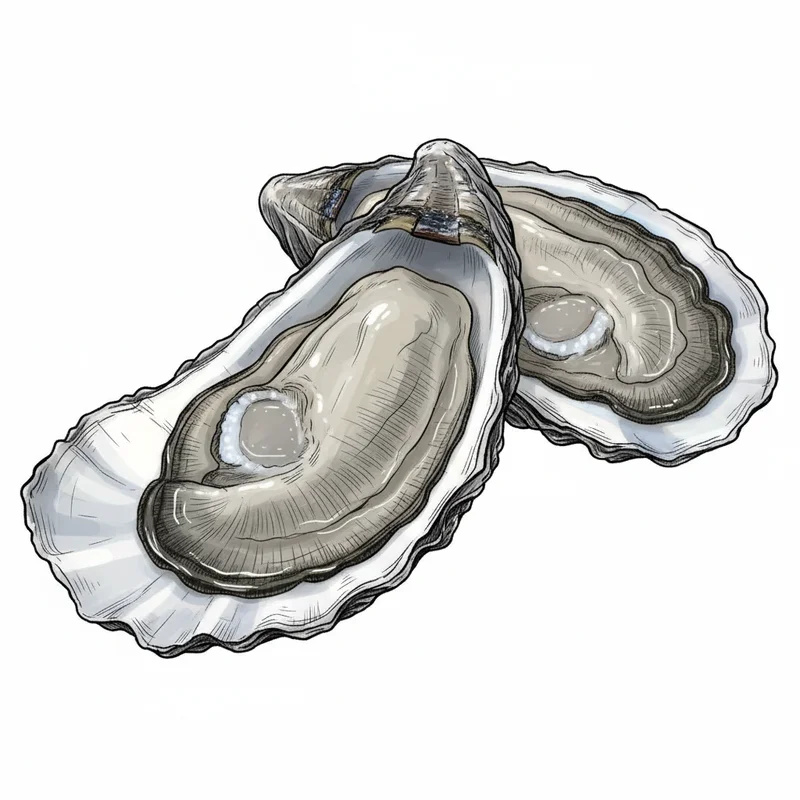
Cape North
Crassostrea virginica
Farm-raised oyster from Aspy Bay at the northern tip of Cape Breton Island, Nova Scotia. Exceptionally briny and meaty with intense oceanic flavor, bright minerality, and a crisp, sweet finish from pristine Atlantic waters.
At a Glance
Cape North is an Eastern oyster (Crassostrea virginica) from the Canada East Coast. It is intensely briny (5/5 brininess) and subtly sweet (2/5 sweetness), with briny, oceanic flavors and a finish that is crisp, sweet, lingering mineral.
Flavor Profile
Finish
Crisp, sweet, lingering mineral
Expert Notes
Cape North oysters are true Atlantic ocean oysters, harvested from the pristine waters of Aspy Bay at the northern tip of Cape Breton Island, Nova Scotia. These farm-raised oysters are characterized by their exceptionally high salinity and intense brininess, reflecting the clean, cold waters they're grown in. Very meaty in texture with a bright, oceanic flavor and a delicate yet crisp finish that reveals subtle sweetness. The mineral-rich taste showcases the untouched wilderness and rocky coastline of Cape Breton. Origin & Characteristics
- Species
- Crassostrea virginica
- Native to
- Canada
- Grown in
- Aspy Bay, Cape Breton Island, Nova Scotia
- Size
- Medium to Large (3-4 inches)
- Shell Color
- Gray-white
- Meat Color
- Light gray to cream
Perfect Pairings
What Experts Say
Across 5 sources, tasters describe this oyster as:
Unique notes: emerald shells, clamlike appearance, rock-hard, spade-shaped
"They are briny, as you'd expect coming from a spot sticking out into the North Atlantic, very meaty, and otherwise light in flavor."
brinymeatylight
"The four-inch emerald shells are almost clamlike in appearance: spade-shaped, smooth, rock-hard, and oddly symmetrical for an oyster. Cape Norths can be eight years old at harvest."
rock-hard
"Cape North oysters are meaty, briny, and light on flavor. Harvested from spring to January, they are up to 4 inches in size."
meatybrinylight
"Cape North oysters have a mild, vegetal flavor. They are slow-growing and often have brittle shells."
mildvegetal
About the Farm
Scott Brown / Aspy Bay Oyster (Dunphy Family)
Grown by Scott Brown at the northern extreme of Cape Breton Island. The Dunphy family (Alex, Susan, and their four sons) have been involved in the oyster industry since 1985 and trademarked the name 'Aspy Bay Oyster', operating a hatchery in South Harbour.
History & Background
Cape North oysters are harvested from the northern extreme of Cape Breton Island, Nova Scotia, in pristine Atlantic waters. The area is known for perhaps the cleanest waters in the Atlantic, with nothing but miles of rock and woods in all directions.
Cape Breton Island is a rough and ready 'lobster claw' of Nova Scotia, thrusting its tangled forests and thousand-foot cliffs into the Atlantic. Cape Bretons are true ocean oysters.
Did You Know?
- Cape North oysters can be eight years old at harvest, making them among the slowest-growing oysters
- The emerald shells are almost clamlike in appearance: spade-shaped, smooth, rock-hard, and oddly symmetrical
- Available at Hideaway Campground & Oyster Market with free shucking lessons
Sources & References
This information was compiled from 5 sources.
- Cape North - Nova Scotia - The Oyster Guide — oysterguide.com
- Cape North Oyster - Chefs Resources — chefs-resources.com
- Oyster Market at Hideaway Campground — campingcapebreton.com
- Cape Breton Oysters - Chefs Resources — chefs-resources.com
- Nova Scotia - The Oyster Guide — oysterguide.com
Similar Oysters
Bedeque Bay
Canada East CoastBottom-cultured Atlantic oyster from Salutation Cove in Prince Edward Island. Round, deep-cupped with tender meats, high salinity, and a strong distinctive flavor that stands out among typically mild Maritime oysters.
Lameque
Canada East CoastSmall cold-water oyster from Chaleur Bay, New Brunswick. Heavy, gnarly shells with intensely briny, metallic flavor. Robust and wild—not for beginners.
Malagash Thrumcap
Canada East CoastWild, bottom-grown oyster from Nova Scotia's Malagash Basin. Mildly salty with a distinctive smoky, mineral finish and firm texture from the pristine northern Atlantic waters.
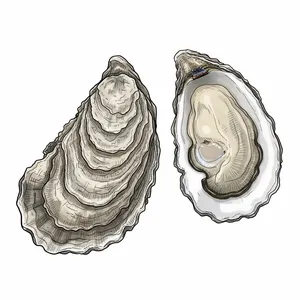
Tatamagouche
Canada East CoastA briny, nutty oyster from Nova Scotia's Northumberland Strait. Farm-raised in Tatamagouche Bay, these medium-to-large oysters deliver rich, salty flavor with a crisp finish. Avoid in summer when spawning.
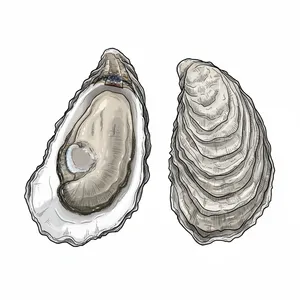
Wallace Bay
Canada East CoastSub-tidally cultivated Nova Scotia oyster from the cold waters of Northumberland Strait. Distinctly mineral-forward with high salinity and a fresh, clean finish. Deep-cupped shells from nutrient-rich northern waters.
Learn More
The Big Five: A Complete Guide to Commercial Oyster Species
Comprehensive guide to C. virginica (Atlantic), C. gigas (Pacific), C. sikamea (Kumamoto), O. lurida (Olympia), and O. edulis (European Flat)
Read article → Biology & SpeciesThe Atlantic Oyster (C. virginica): From Maritime Brine to Gulf Sweetness
Deep dive into America's indigenous East Coast oyster - flavor profiles, regional variations, and famous varieties
Read article → Merroir & EnvironmentWhat Is Merroir? How Water Shapes Oyster Flavor
Merroir is the marine version of terroir: how salinity, temperature, tides, and plankton in the growing water shape an oyster's flavor. The science, plus how to taste it.
Read article →