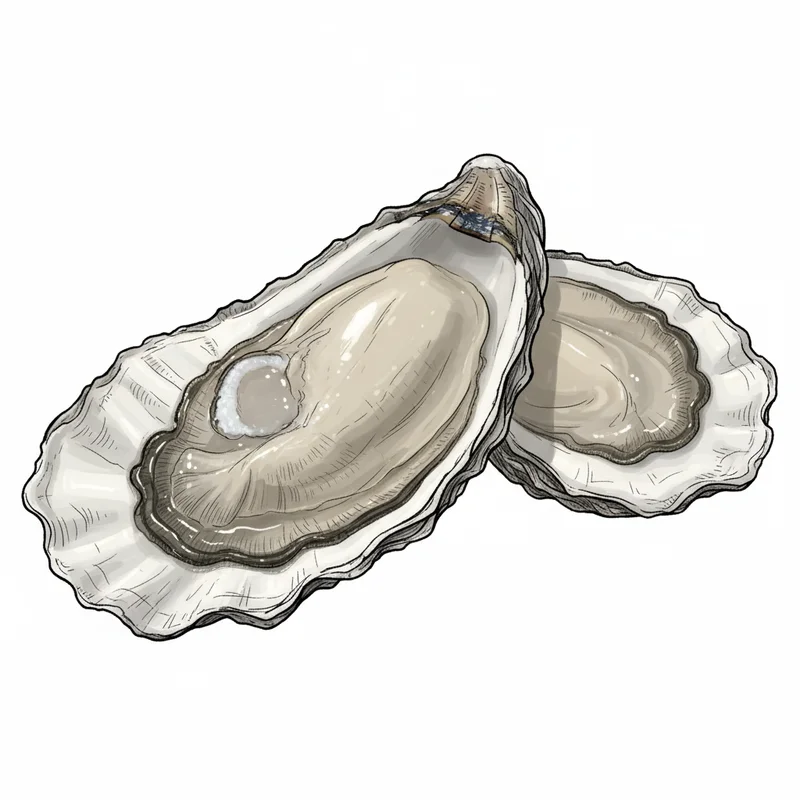
Cedar Island Select
Crassostrea virginica
A flagship North Carolina oyster from Cedar Island Bay's pristine waters. Large and deep-cupped with balanced brininess and a distinctive sweet, buttery finish. Sustainably farmed in floating cages.
At a Glance
Cedar Island Select is an Eastern oyster (Crassostrea virginica) from the US East Coast. It is moderately briny (3/5 brininess) and distinctly sweet (4/5 sweetness), with briny, sweet, buttery flavors and a finish that is sweet and buttery. It is considered a beginner-friendly oyster.
Flavor Profile
Finish
Sweet and buttery
Expert Notes
Cedar Island Select oysters represent the emerging excellence of North Carolina's oyster region. Grown in the nutrient-rich, high-salinity waters of Cedar Island Bay in Core Sound, these oysters deliver a perfectly balanced flavor profile. They start with a strong burst of wild ocean brine that doesn't overpower, then finish with a distinctive sweet, buttery character that makes them a regional flagship variety and a revelation for those discovering Southeast oysters. Origin & Characteristics
- Species
- Crassostrea virginica
- Native to
- USA
- Grown in
- Cedar Island Bay, Core Sound, North Carolina
- Size
- Large (3-3.5 inches)
- Shell Color
- White to gray-white
- Meat Color
- Cream
What Experts Say
Across 5 sources, tasters describe this oyster as:
Unique notes: pillowy, supple, icy, ocean-breezy, fruit of the sea
"Bill handed me a pillowy cream-colored oyster. It had a lovely deep cup and felt heavy in my hand. The Cedar Island Select's icy, ocean-breezy brine tastes more saline than I had imagined it would be... Sea-sweet, supple, and savory. The Cedar Island Select is what I imagine when I hear the phrase, 'fruit of the sea,' and I couldn't get enough."
brinysalinesea-sweetsupplesavory
"I just ate a Cedar Island Select and my first impression is that it was very salty, very briny. Tasted really just like the ocean and it was a perfect size."
saltybrinyocean
About the Farm
Carolina Mariculture Co.
Est. 2006Founded by Cedar Island native Jay Styron and his wife Jennifer in 2006 to produce oysters for market without relying on North Carolina's wild stock, which had declined by 90 percent in the 20th Century due to overfishing, pollution and disease.
- Cultivation Method
- floating bags
History & Background
Cedar Island Select oysters emerged from the environmental crisis facing North Carolina's oyster population, which declined by 90 percent in the 20th Century. Jay Styron, a Cedar Island native, started Carolina Mariculture Co. in 2006 to produce sustainable oysters without depleting wild stocks.
Featured on PBS's 'A Chef's Life' and celebrated as North Carolina's answer to premium oysters. The farm was chosen for its location in Cedar Island Bay, which has some of the best water quality in North Carolina for growing oysters.
Did You Know?
- Called 'The Downeast version of champagne' by Beaufort Restaurant Guide
- The wire cages used for growing act as small artificial reefs, offering protection for juvenile fish and crustaceans
- Oysters are harvested only when ordered to ensure the freshest possible product
- Available year-round, breaking the traditional 'R month' rule for oyster consumption
Sources & References
This information was compiled from 5 sources.
- The Spirit of the Oyster South — In A Half Shell
- A Chef's Life | Oysters | Season 1 | Episode 6 — PBS
- Cedar Island Select Oysters: The Downeast version of champagne — Beaufort Restaurant Guide
- From Tide To Table: A Foodie's Guide To The Crystal Coast — Crystal Coast NC
- Carolina Mariculture Co. — Carolina Mariculture Co.
Similar Oysters
Chadwick Creek
US East CoastDelicate and buttery North Carolina oyster from Pamlico Sound. Deep-cupped with bright white shells, featuring a sweet finish and balanced brininess. Cultivated in off-bottom cages.
Rocky Nook
US East CoastA Cape Cod oyster from Kingston, Massachusetts. Medium-high brine with silky, buttery sweet meats and a lingering briny finish. Creamy texture with balanced salinity.
Watch Hill
US East CoastSmall farm-raised Rhode Island oyster from Winnapaug Pond. High salinity with crisp brininess leading to a distinctive mellow buttery sweet finish. Firm pink meat in unique fan-like shells.
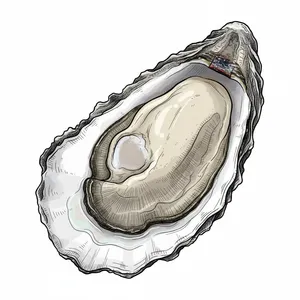
Forbidden
US East CoastA balanced Virginia oyster from Mobjack Bay's Lower Western Shore. Plump and buttery with sweet artichoke notes, medium salinity, and a smooth finish. Rack and bag bottom cultivated.
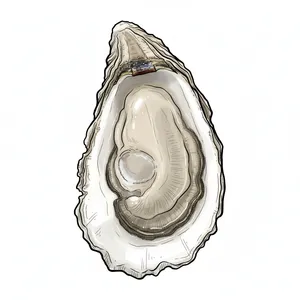
Sweet Petite
US East CoastRack and bag cultivated oysters from Katama Bay, Martha's Vineyard. Deep-cupped with firm white meats, delivering a briny hit that transitions to smooth creaminess and a sweet finish.
Learn More
The Big Five: A Complete Guide to Commercial Oyster Species
Comprehensive guide to C. virginica (Atlantic), C. gigas (Pacific), C. sikamea (Kumamoto), O. lurida (Olympia), and O. edulis (European Flat)
Read article → Biology & SpeciesThe Atlantic Oyster (C. virginica): From Maritime Brine to Gulf Sweetness
Deep dive into America's indigenous East Coast oyster - flavor profiles, regional variations, and famous varieties
Read article → Merroir & EnvironmentWhat Is Merroir? How Water Shapes Oyster Flavor
Merroir is the marine version of terroir: how salinity, temperature, tides, and plankton in the growing water shape an oyster's flavor. The science, plus how to taste it.
Read article →