
Colonial Cocktails
Crassostrea virginica
Exceptional Maine oyster from South Bristol's Johns River. Stupendously sweet and briny with a surprisingly fruity flavor rarely found in East Coast oysters. Grown by Dave Cheney in classic Pemaquid Light territory.
At a Glance
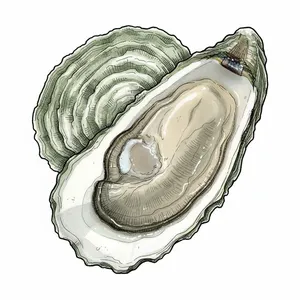
Colonial Cocktails is an Eastern oyster (Crassostrea virginica) from the US East Coast. It is moderately briny (3/5 brininess) and very sweet (5/5 sweetness), with sweet, briny, fruity flavors and a finish that is clean, sweet, with surprising fruity notes. It is considered a beginner-friendly oyster.
Flavor Profile
Finish
Clean, sweet, with surprising fruity notes
Expert Notes
Colonial Cocktails oysters are grown by longtime Maine shellfisherman Dave Cheney in the classic oyster terroir of Pemaquid Light territory. These oysters deliver an exceptional flavor profile that sets them apart from typical East Coast oysters: stupendously sweet with balanced brine and a surprisingly fruity character that is almost never found in Atlantic oysters. The combination of cold Maine waters and expert cultivation results in a complex, memorable oyster that showcases the best of what the region can offer. Origin & Characteristics
- Species
- Crassostrea virginica
- Native to
- USA
- Grown in
- North Branch of Johns River, South Bristol, Maine
- Size
- Small to Medium (2-3 inches)
- Shell Color
- Gray-white
- Meat Color
- Light gray to cream
What Experts Say
Across 4 sources, tasters describe this oyster as:
Unique notes: surprisingly fruity, floral, citrusy, crisp
"stupendously sweet, briny, and with a surprisingly fruity flavor that you almost never see in east coast oysters"
sweetbrinyfruity
"Nice size and crisp brine"
brinycrisp
"Great clean, briny, meaty taste with absolutely clean finish"
cleanbrinymeaty
"Sweet and meaty in June. A standout in a ten-Maine oyster tasting."
sweetmeaty
"Large, firm meats. Briny and strong. Great oyster."
brinystrongfirm
"light, floral, citrusy, briny, damned delicious flavor. Not a hint of bitterness"
lightfloralcitrusybrinyclean
About the Farm
Dave Cheney
Longtime shellfisherman and former lobsterman Dave Cheney grows rare oysters slow-grown by hand-picking by diving in the bottom of Maine's Johns River estuary, not far from the famed Pemaquid lighthouse.
- Cultivation Method
- bottom culture
History & Background
Colonial Cocktails are grown in the North Branch of Johns River in South Bristol, Maine, in classic Pemaquid Light territory - an area known for exceptional oyster terroir.
These oysters are rare and slow-grown in one of Maine's most respected oyster regions, representing the high quality associated with Maine's cold water oyster cultivation.
Did You Know?
- Also sold as 'Colonial Selects' and 'Johns River' oysters by the same grower
- Hand-picked by diving rather than dredging
- Slow growing conditions create strong shells and firm meats
- Rowan Jacobsen noted the 'surprisingly fruity flavor' is almost never found in East Coast oysters
Sources & References
This information was compiled from 4 sources.
- Colonial Cocktails - The Oyster Guide — oysterguide.com
- Johns River Oyster - Oysterater — oysterater.com
- Willapa Bay–Hawk's Points - The Oyster Guide — oysterguide.com
- Inland Bays Shellfish Branding — sites.udel.edu
Similar Oysters
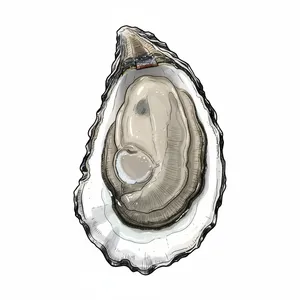
Barnstable
US East CoastA classic Cape Cod Bay oyster from historic Barnstable Harbor. Sweet and nutty with firm, crunchy texture, balanced brine, and a distinctive lobster-stock finish reminiscent of a New England clambake.
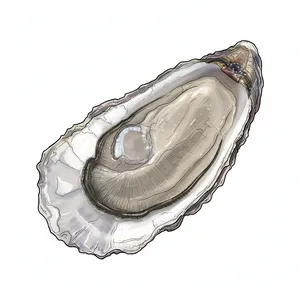
Bodie Island
US East CoastThe Outer Banks' first farmed oyster from North Carolina. Medium-sized with balanced salinity, offering a harmonious blend of sweet and salt with firm texture from off-bottom tray cultivation.
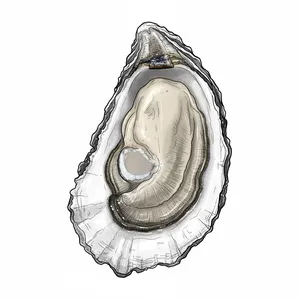
Cedar Island Select
US East CoastA flagship North Carolina oyster from Cedar Island Bay's pristine waters. Large and deep-cupped with balanced brininess and a distinctive sweet, buttery finish. Sustainably farmed in floating cages.
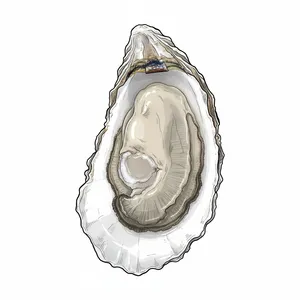
Chadwick Creek
US East CoastDelicate and buttery North Carolina oyster from Pamlico Sound. Deep-cupped with bright white shells, featuring a sweet finish and balanced brininess. Cultivated in off-bottom cages.
Crab Slough
US East CoastWild-harvested oyster from Oregon Inlet in North Carolina's Outer Banks, open only October through March. Balanced briny-sweet flavor with buttery sweet corn and asparagus notes. Strong shells and firm texture shaped by dynamic currents. Often contains tiny pea crabs, considered a local delicacy.
Learn More
The Big Five: A Complete Guide to Commercial Oyster Species
Comprehensive guide to C. virginica (Atlantic), C. gigas (Pacific), C. sikamea (Kumamoto), O. lurida (Olympia), and O. edulis (European Flat)
Read article → Biology & SpeciesThe Atlantic Oyster (C. virginica): From Maritime Brine to Gulf Sweetness
Deep dive into America's indigenous East Coast oyster - flavor profiles, regional variations, and famous varieties
Read article → Merroir & EnvironmentWhat Is Merroir? How Water Shapes Oyster Flavor
Merroir is the marine version of terroir: how salinity, temperature, tides, and plankton in the growing water shape an oyster's flavor. The science, plus how to taste it.
Read article →