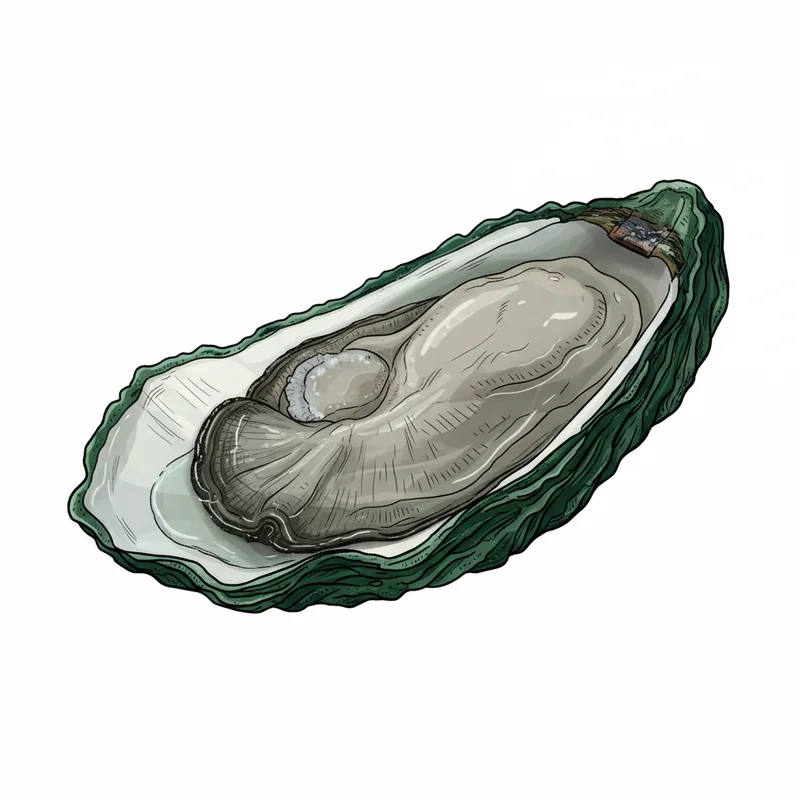
Cotuit
Crassostrea virginica
America's oldest oyster brand since 1857. Rich, complex, with strong mineral brine balanced by sweet notes and a lingering slate finish.
At a Glance
Cotuit is an Eastern oyster (Crassostrea virginica) from the US East Coast. It is notably briny (4/5 brininess) and moderately sweet (3/5 sweetness), with briny, sweet, mineral flavors and a finish that is lingering slate finish with sweet brine.
Flavor Profile
Finish
Lingering slate finish with sweet brine
Expert Notes
The Cotuit represents classic American oyster excellence with over 165 years of continuous farming heritage. Strong mineral brine and plump, rich meats deliver a complex flavor profile that balances high salinity with subtle sweetness. The distinctive jade-green shells result from local algae, while freshwater streams and clean water from Nantucket Sound provide exceptional growing conditions. Origin & Characteristics
- Species
- Crassostrea virginica
- Native to
- USA
- Grown in
- Cotuit Bay, Cape Cod, MA
- Size
- Medium (2.5-6 inches)
- Shell Color
- Jade green
- Meat Color
- Plump, light gray
What Experts Say
Across 7 sources, tasters describe this oyster as:
Unique notes: jade-colored shells, lingering finish, bright
"Cotuit oysters come from a clear, cold cove matted with verdant eelgrass and bountiful with a particular algae that turns the oyster shells jade. The oysters still have the bright and briny flavor they are famous for."
brinybright
"These were rich and a bit complex. Big, deep cups and pleasantly briny. They weren't particularly earthy or sweet, but rather somewhere in between."
richcomplexbriny
"Large cup and nice sweet brine"
sweetbriny
"Has a more complex flavor profile than many other oysters from the Cape. Nice at first but it remains as a sort of heavy lingering sweet brine."
complexsweetbrinylingering
"Cotuit Oysters are recognized for their unique briny flavor unlike any other. Fresh water streams, marshes and estuaries combined with the clean water entering from Nantucket Sound provide our oysters with a rich food supply. This special combination gives our oysters moderate to high salinity (29-30PPT) and a sweet finish which is known and demanded in many parts of the world."
brinysweet
"Cotuit Oysters are recognized for their briny flavor and unique sweet finish. Plump meats, moderate brine, and a slightly sweet finish."
brinysweetplump
About the Farm
Cotuit Oyster Company
Est. 1857Founded by Captain William Childs in 1857 when he returned from a life at sea to become an oysterman. In 1894, his son Samuel established his oyster shanty at the present location. The oldest oyster company in the United States.
- Cultivation Method
- bottom culture
History & Background
The Cotuit Oyster Company, founded in 1857 by Captain William Childs, is the oldest continuously operated oyster company in the United States. In 1912, Harry D. Haight, a wealthy executive at Eastman Kodak, became a big fan of Cotuit's oysters and consolidated local oyster grants, helping establish the brand's prominence.
Cotuit oysters have been raised on one of the oldest oyster leases in the country since 1837, making the name 'Cotuit' world famous. The village's commercial oyster farming has become a beloved institution.
Did You Know?
- America's oldest oyster brand, in continuous operation since 1857
- The oyster shells turn jade-colored due to a particular algae in Cotuit Bay
- The hard shells make shucking easier due to tumbling and bottom planting methods
- Grown in Cotuit Bay with moderate to high salinity of 29-30 PPT
Sources & References
This information was compiled from 7 sources.
- Cotuit - The Oyster Guide — oysterguide.com
- Cotuit Oyster Reviews — oysterater.com
- Oysters - Cotuit Oyster Company — cotuitoystercompany.com
- Cotuit Oyster — Oysterology Online — pangeashellfish.com
- Cotuit Oyster Company - Farm Credit — farmcredit.com
- Piers, landings, and oyster grants: the story of Cotuit's Town Dock — churbuck.com
- Cotuit Oysters - Chefs Resources — chefs-resources.com
Similar Oysters
Whale Rock
US East CoastA rare, premium oyster from the Mystic River cultivated by Connecticut's cooperative. Four-inch deep-cupped shells with mineral-rich, sweet-briny flavor and perfect shell shapes make these a sought-after variety.
Great South Bay
US East CoastIconic Long Island oyster from the historic Blue Point grounds. Briny with high salinity, plump and meaty with firm texture, balanced sweetness, and a distinctive mineral-woody finish. Cultivated in floating cages near Fire Island Inlet.
Robins Island
US East CoastSustainably farmed Peconic Bay oyster with medium brine and distinctive iron-rich minerality. Aquatray cultivation yields clean shells and silky, firm meats with complex grassy sweetness and a buttery, vegetal finish.
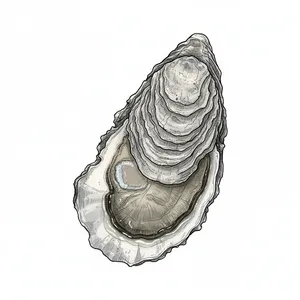
Copps Island
US East CoastA bold Long Island Sound oyster from Connecticut's historic Copps Island Oysters farm. Large and strong with heavy shells, delivering an intensely briny and metallic flavor with sweet undertones. Cultivated using traditional methods for over 150 years.
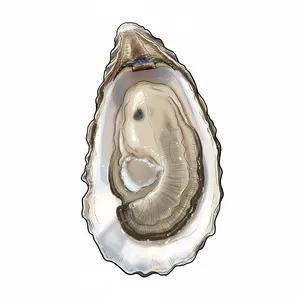
Plymouth Rock
US East CoastIntertidally cultured Eastern oyster from historic Duxbury and Plymouth Bay, Massachusetts. Briny and mineral-rich with balanced sweetness and a crisp, clean finish. Firm yet delicate texture.
Learn More
The Big Five: A Complete Guide to Commercial Oyster Species
Comprehensive guide to C. virginica (Atlantic), C. gigas (Pacific), C. sikamea (Kumamoto), O. lurida (Olympia), and O. edulis (European Flat)
Read article → Biology & SpeciesThe Atlantic Oyster (C. virginica): From Maritime Brine to Gulf Sweetness
Deep dive into America's indigenous East Coast oyster - flavor profiles, regional variations, and famous varieties
Read article → Merroir & EnvironmentWhat Is Merroir? How Water Shapes Oyster Flavor
Merroir is the marine version of terroir: how salinity, temperature, tides, and plankton in the growing water shape an oyster's flavor. The science, plus how to taste it.
Read article →