Drakes Bay
Crassostrea gigas
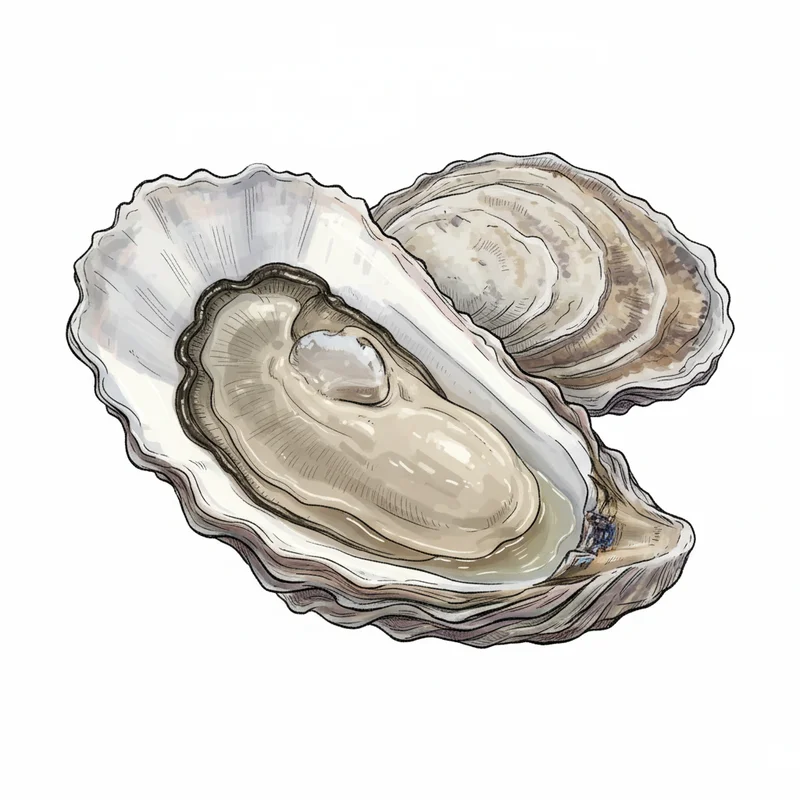
Historic Pacific oyster from Drake's Estero in Point Reyes National Seashore. Intensely briny with earthy, mushroomy notes and bitter herb finish. Bottom cage cultured in pristine waters until farm closure in 2012.
At a Glance
Drakes Bay is a Pacific oyster (Crassostrea gigas) from the US West Coast. It is notably briny (4/5 brininess) and moderately sweet (3/5 sweetness), with briny, earthy, bitter herb flavors and a finish that is strong, earthy, with lingering bitterness.
Flavor Profile
Finish
Strong, earthy, with lingering bitterness
Expert Notes
Drakes Bay oysters are wild and unforgiving, reflecting the pristine, isolated waters of Point Reyes National Seashore. Bottom cage cultured in waters that see virtually no rain, these Pacific oysters develop an intense brininess paired with an unusual earthy, mushroomy character and a distinctive touch of bitter herb. The tender, creamy meat and complex flavor profile won them national competition recognition as 'Most Beautiful Pacific Oyster' before the farm's closure in 2012 ended a 50-year tradition. Origin & Characteristics
- Species
- Crassostrea gigas
- Native to
- Japan
- Grown in
- Drake's Estero, Point Reyes National Seashore, Marin County, California
- Size
- Medium (2.5-4 inches)
- Shell Color
- White to gray
- Meat Color
- Cream to light gray
What Experts Say
Across 8 sources, tasters describe this oyster as:
Unique notes: wild, unforgiving, herbal finish
"The Drakes Bay oyster packs a mean punch of brininess and bitterness. The meat is surprisingly soft. It's wild and unforgiving, perhaps somewhat like how nature t..."
brinybittersoftwild
"Tender, briny, sweet flavor with an herbal finish."
tenderbrinysweetherbal
"Drakes oysters are known for plumper meat than some of the prettier varieties more commonly served on the half shell. Flushed daily by the tide, the Estero oysters are more crisp and briny than their..."
plumpcrispbriny
"The oysters, which won a national competition for Most Beautiful Pacific Oyster, were tender and delicate, quite briny, as you'd expect from an area that sees virtually no rain, and sweet with a touch of bitter herb."
tenderdelicatebrinysweetbitter herb
"beach-bag grown by the Lunny family; pristine waters, briny touch of bitter herb"
brinybitter herbpristine
About the Farm
Drakes Bay Oyster Company (Historic - Closed 2014)
Est. 1957Originally the Johnson Oyster Company from 1957 until 2005, when it was bought by the Lunny family of organic beef fame. The farm was closed in 2014 after the National Park Service did not renew the lease within Point Reyes National Seashore.
- Cultivation Method
- bottom culture
History & Background
The oyster farm operated in Drake's Estero within Point Reyes National Seashore from 1957 to 2014. It was the last oyster cannery in California and had the cleanest waters of any oyster farm in the country. The farm closure in 2014 was controversial, with debates between environmental advocates and supporters of sustainable aquaculture.
Drakes Bay oysters won a national competition for Most Beautiful Pacific Oyster. The farm was a working example of sustainable food production, producing half of California's oyster production before closure.
Did You Know?
- Last oyster cannery in California
- Won national competition for Most Beautiful Pacific Oyster
- Had the cleanest waters of any oyster farm in the country
- Produced over eight million oysters annually
- Farm had its own hatchery on site
Sources & References
This information was compiled from 8 sources.
- Drake's Bay - California — The Oyster Guide
- Epic West Coast Oyster Tasting at Waterbar — In A Half Shell
- Drakes Bay Oyster — Chefs Resources
- From Scratch: Drakes Bay Oyster Company — 7x7 San Francisco
- Drakes Bay Oyster Company - Wikipedia — Wikipedia
- The Oyster War — Marin Magazine
- Drakes Bay Oyster Company: Homepage — Drakes Bay Oyster Company
- Our Sustainable Farming Techniques — Bouffé Oyster Bar
Similar Oysters
Blue Pool
US West CoastTumbled Pacific oyster from Hood Canal's Hamma Hama River. Deep-cupped with smooth shells, featuring a creamy, crunchy texture and complex flavor profile of cucumber, crisp brine, and a distinctive sweet-vegetal finish.
Fat Bastard
US West CoastThe largest of Taylor Shellfish's tide-tumbled Pacific oysters from Washington State. Bold, briny, and savory with a sweet finish, plump texture, and deep cups filled with generous liquor.
Hog Island Cliffside
US West CoastLarge, deeply cupped Pacific oyster from Discovery Bay, Washington. Intensely briny with herbaceous spinach/kale notes and a distinctive umami finish reminiscent of aged beef or dried nori. Complex and bold.
Tomales Bay Golden Nugget
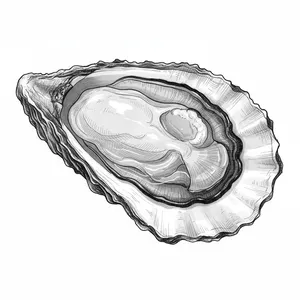
US West CoastRare tumbled Pacific oyster from Tomales Bay's oldest oyster company. Deep-cupped and plump with smooth buttery brine, rich melon notes, and a distinctive woody artichoke finish. One of California's richest-tasting oysters.
Totten Inlet
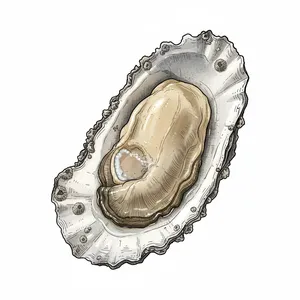
US West CoastLegendary Pacific oyster from South Puget Sound's most renowned fattening grounds. Intensely rich and plump with bold briny flavor, buttery texture, and distinctive seaweed notes that made Totten Inlet famous worldwide.
Learn More
The Big Five: A Complete Guide to Commercial Oyster Species
Comprehensive guide to C. virginica (Atlantic), C. gigas (Pacific), C. sikamea (Kumamoto), O. lurida (Olympia), and O. edulis (European Flat)
Read article → Biology & SpeciesThe Pacific Oyster (C. gigas): Cream, Cucumber, and the Japanese Legacy
Understanding the world's most cultivated oyster - from Japanese origins to West Coast dominance
Read article → Merroir & EnvironmentWhat Is Merroir? How Water Shapes Oyster Flavor
Merroir is the marine version of terroir: how salinity, temperature, tides, and plankton in the growing water shape an oyster's flavor. The science, plus how to taste it.
Read article →