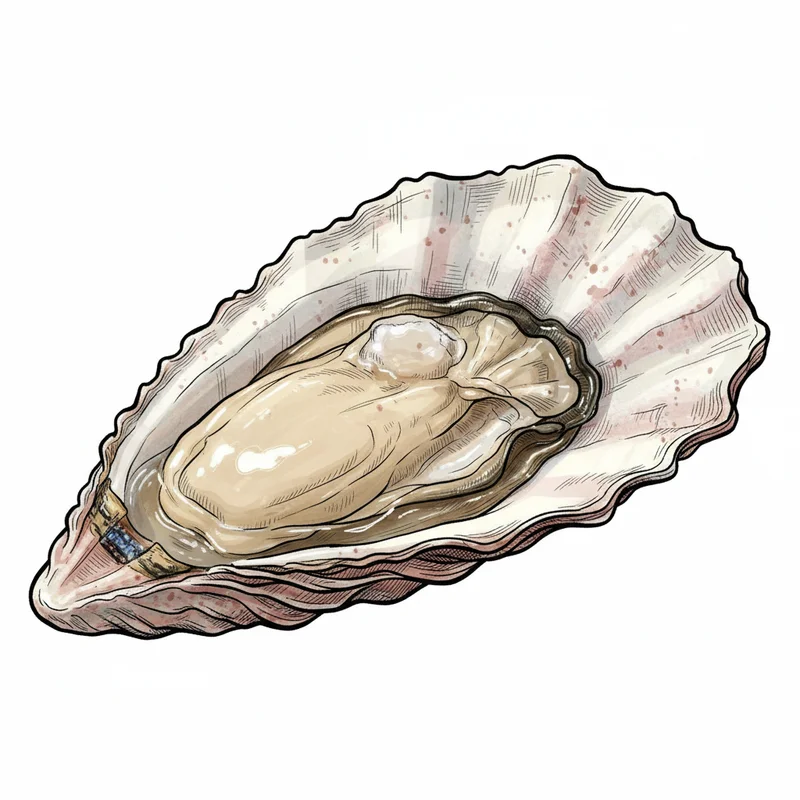
Fanny Bay
Crassostrea gigas
The archetypal BC oyster. Smooth and balanced with sweet, buttery notes and a signature crisp cucumber finish.
At a Glance
Fanny Bay is a Pacific oyster (Crassostrea gigas) from the Canada West Coast. It is notably briny (4/5 brininess) and moderately sweet (3/5 sweetness), with briny, sweet, cucumber flavors and a finish that is crisp, pronounced cucumber finish. It is considered a beginner-friendly oyster.
Flavor Profile
Finish
Crisp, pronounced cucumber finish
Expert Notes
Fanny Bays represent the archetypal British Columbia oyster experience. Tray-raised in the cold, clean waters of Baynes Sound, they start with a punch of salinity before transitioning into sweet, buttery tones and a firm, plump body. The signature cucumber finish is unmistakable and refreshing. Consistently high quality thanks to rigorous culling practices. Origin & Characteristics
- Species
- Crassostrea gigas
- Native to
- Pacific
- Grown in
- Fanny Bay, Baynes Sound, Vancouver Island
- Size
- Medium (2.5-3.5 inches)
- Shell Color
- White with pink and brown flecks
- Meat Color
- Cream
What Experts Say
Across 8 sources, tasters describe this oyster as:
Unique notes: white sugar sweetness, earthy organic undertones, cream, dark mantle
"Fanny Bays were one of the first BC oysters to become widely available, and they're still considered the archetypal BC oyster—smooth, but with a pronounced cucumber finish. The shells are beautifully fluted, as we expect for a tray-raised oyster. You never get a bad Fanny Bay."
smoothcucumberclean
"Nice balanced oysters with beautiful frilled shells of black and green. Nice moderate salinity. Medium cucumber and cream flavors. More beautiful than delicious, but definitely enjoyable."
balancedmoderate salinitycucumbercream
"They are salty, yet sweet with a firm, plump flesh with a dark mantle. Their thick shells make for easy opening."
saltysweetfirmplump
"White sugar sweetness with a light brine finish and earthy organic undertones."
sweetlight brineearthy
"Fanny Bay Oysters are known for their firm, plump flesh, which is both salty and sweet due to the cold water of their growing environment. They have a unique flavor profile, starting with a punch of salinity, transitioning into a sweet, firm body, and finishing with a pronounced cucumber flavor."
saltysweetfirmcucumberpunch of salinity
"Mild briny flavor with a firm texture and a pronounced cucumber finish."
mild brinyfirmcucumber
About the Farm
Fanny Bay Oysters (Taylor Shellfish Farms)
Est. 1980sFanny Bay Oysters began farming shellfish in Baynes Sound with the Hadden family over 40 years ago. In 2006, the Hadden family passed ownership to the 4th generation Taylor family of Taylor Shellfish Farms, the largest grower of shellfish in North America.
- Cultivation Method
- suspended culture
History & Background
Fanny Bay Oysters were one of the first BC oysters to become widely available and distributed. They originated in Baynes Sound with the Hadden family over 40 years ago before being acquired by Taylor Shellfish Farms in 2006-2007.
Fanny Bay oysters are considered the archetypal BC oyster and became synonymous with top quality single grown beach grown oysters. The town of Fanny Bay sits on Baynes Sound, British Columbia.
Did You Know?
- The name 'Fanny Bay' was chosen over 'Baynes Sound' because it's more memorable on oyster menus
- Someone practices rigorous quality control in the Fanny Bay culling house - 'You never get a bad Fanny Bay'
Sources & References
This information was compiled from 8 sources.
- Fanny Bay - British Columbia — The Oyster Guide
- Fanny Bay Oyster — OysteRater
- Oysters - West Coast - Crassostrea gigas | Fanny Bay — Fortune Fish & Gourmet
- Our Story | Fanny Bay Oysters, British Columbia — Fanny Bay Oysters
- Fanny Bay Oysters - The Oyster Encyclopedia — The Oyster Encyclopedia
- Fanny Bay — Penn Cove Shellfish
- Fanny Bay Oyster — Samuels Seafood
- Fanny Bay Oyster - Chefs Resources — Chefs Resources
Similar Oysters
Beach Angel
Canada West CoastBeach-grown Pacific oyster from Cortes Island, BC. Firm and sweet with robust briny flavor, featuring distinctive notes of cucumber, grass, and melon rind. Crisp and ocean-fresh.
Imperial Eagle Channel
Canada West CoastBeach-cultured Pacific oyster from Barkley Sound on Vancouver Island's wild west coast. Deep-cupped and plump with high brininess balanced by natural sweetness, finishing with distinctive cucumber and watermelon-rind notes.
Komo Gway
Canada West CoastBeach-grown Pacific oyster from Baynes Sound on Vancouver Island. Clean, briny flavor with firm texture, subtle cucumber notes, and a slightly sweet finish. Harvested from the traditional territory of the K'ómoks First Nation.
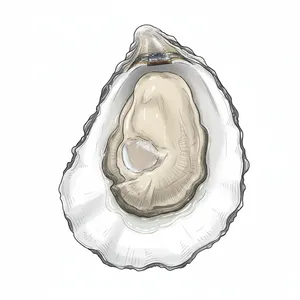
Effingham Inlet
Canada West CoastPremium Pacific oyster from a pristine deep-water fjord in Barkley Sound, BC. Tray-suspended and tumbled for uniform deep cups. Plump, cream-colored meat with vibrant brine, natural sweetness, and a smooth watermelon-lettuce finish.
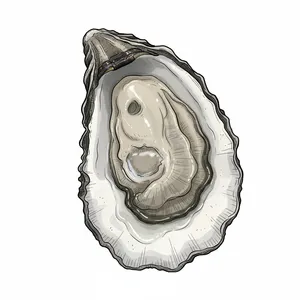
Gigamoto
Canada West CoastA petite farm-raised Pacific oyster from Deep Bay, British Columbia. Small and delicate with balanced brine and sweetness, finishing with distinctive slightly smoky, vegetable-like notes.
Learn More
The Big Five: A Complete Guide to Commercial Oyster Species
Comprehensive guide to C. virginica (Atlantic), C. gigas (Pacific), C. sikamea (Kumamoto), O. lurida (Olympia), and O. edulis (European Flat)
Read article → Biology & SpeciesThe Pacific Oyster (C. gigas): Cream, Cucumber, and the Japanese Legacy
Understanding the world's most cultivated oyster - from Japanese origins to West Coast dominance
Read article → Merroir & EnvironmentWhat Is Merroir? How Water Shapes Oyster Flavor
Merroir is the marine version of terroir: how salinity, temperature, tides, and plankton in the growing water shape an oyster's flavor. The science, plus how to taste it.
Read article →