
Gay Island
Crassostrea virginica
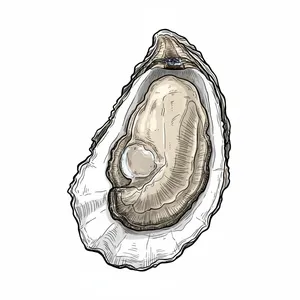
Genetically unique Maine oyster grown in the open ocean near Cushing Harbor. Intensely briny with a bracing North Atlantic flavor, balanced by sweet notes and a touch of sugar. Pale tan shells layered like phyllo.
At a Glance
Gay Island is an Eastern oyster (Crassostrea virginica) from the US East Coast. It is intensely briny (5/5 brininess) and moderately sweet (3/5 sweetness), with intense brine, sweet, clean flavors and a finish that is clean, crisp, bracing north atlantic character.
Flavor Profile
Finish
Clean, crisp, bracing North Atlantic character
Expert Notes
Gay Island oysters are exceptional 'beach oysters' grown in the open ocean south of Cushing Harbor with almost no freshwater influence. Cultivated in floating trays on the surface, they develop an intensely briny, bracing North Atlantic flavor reminiscent of choking on a wave while bodysurfing, yet balanced with sweet, mouthwatering notes and a touch of sugar. Genetically unique from other Maine oysters, the Lynde family spawns their own seed annually, resulting in distinctive pale tan shells layered like phyllo. Origin & Characteristics
- Species
- Crassostrea virginica
- Native to
- USA
- Grown in
- Cushing Harbor, Meduncook River, Maine
- Size
- Medium (3-4 inches)
- Shell Color
- Pale tan, layered like phyllo
- Meat Color
- Light gray
What Experts Say
Across 5 sources, tasters describe this oyster as:
Unique notes: like when you're a kid and choke on a wave while bodysurfing, smooth creamy finish, beach oysters
"With almost no freshwater influence, Gay Islands have a bracing North Atlantic flavor that comes from the fully marine environment and the fact that they are grown in floating trays on the surface. They can be intensely briny, like when you're a kid and choke on a wave while bodysurfing, but they also can be sweet and mouthwatering."
brinysweetNorth Atlanticmarine
"With no real freshwater influence, Gay Islands have a light, clean North Atlantic flavor that comes from the fully marine environment."
lightcleanNorth Atlanticmarine
"Our oysters have been kissed by the tides and blessed by the tides, developing a taste that has been described as clean, crisp, briny with a smooth creamy finish."
cleancrispbrinycreamysmooth
"A wonderfully crisp, briny fellow."
crispbriny
About the Farm
Gay Island Oyster Farm
The Metzmakers took over the oyster farm in 2014. The oysters are grown by the Lynde family, who spawn their own seed each year, resulting in a unique stock of oyster adapted to the highly oceanic conditions.
- Cultivation Method
- floating bags
History & Background
Gay Island oysters are grown in floating bags near Cushing Harbor and the eponymous Gay Island in the Meduncook River. The Lynde family pioneered spawning their own seed each year, creating a genetically unique stock of oyster. The farm was taken over by Jeff and Deb Metzmaker in 2014.
Featured in gourmet oyster dinners and paired with Maine ales. Part of the Maine Oyster Trail, which promotes tourism and local oyster farms.
Did You Know?
- Genetically unique oysters - the Lynde family spawns their own seed each year
- Grown in the open ocean with almost no freshwater influence
- Pale tan shells layered like phyllo, distinct from other Maine oysters which often have black stripes
- Can be ordered directly from the family that grows them
Sources & References
This information was compiled from 5 sources.
- Gay Island: A Maine Oyster of Another Sort — The Oyster Guide
- Gay Island Oyster Farm — Down East Magazine
- Gay Island Oyster — Oysterater
- Maine Oyster Roundup — The Oyster Guide
- Explore the Maine Oyster Trail, eat fresh Maine oysters! — Untamed Mainer
Similar Oysters
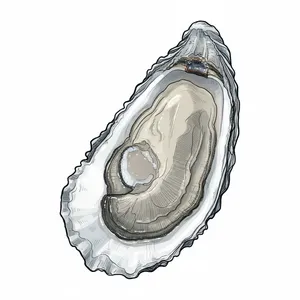
Capers Blades
US East CoastWild-harvested blade oysters from Capers Island, South Carolina. Hand-selected by Clammer Dave from natural reefs, delivering clean, sweet meat with intensely briny, tongue-curling salty liquor and a robust, metallic finish.
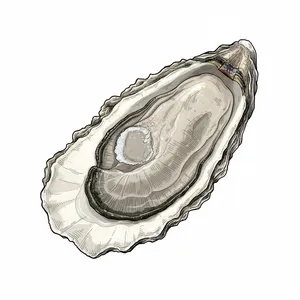
Pemaquid
US East CoastA Maine institution. Large, powerful oysters with rock-hard shells, plump firm meats, and clean briny-sweet flavor with lemony zest.
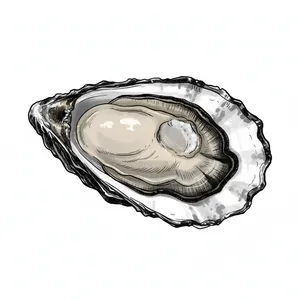
Damariscotta
US East CoastMaine's finest. Dense, powerful oysters with thick shells, firm ivory meats, and a balanced flavor of strong brine, subtle sweetness, and mineral complexity.
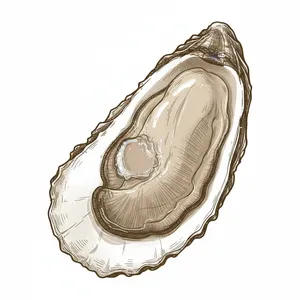
Chatham
US East CoastAn intensely briny Cape Cod oyster from Oyster Pond in Chatham, Massachusetts. Deep-cupped with firm meat and a powerful 'slap you in the face' salinity balanced by lingering sweetness and crystal-clear flavor.
Cuttyhunk
US East CoastIsland oyster from Cuttyhunk's pristine West End Pond off Massachusetts. Intensely briny with a sweet, buttery finish. Grown in isolation with no river influence, these tender oysters showcase bold salinity balanced by distinctive sweetness.
Learn More
The Big Five: A Complete Guide to Commercial Oyster Species
Comprehensive guide to C. virginica (Atlantic), C. gigas (Pacific), C. sikamea (Kumamoto), O. lurida (Olympia), and O. edulis (European Flat)
Read article → Biology & SpeciesThe Atlantic Oyster (C. virginica): From Maritime Brine to Gulf Sweetness
Deep dive into America's indigenous East Coast oyster - flavor profiles, regional variations, and famous varieties
Read article → Merroir & EnvironmentWhat Is Merroir? How Water Shapes Oyster Flavor
Merroir is the marine version of terroir: how salinity, temperature, tides, and plankton in the growing water shape an oyster's flavor. The science, plus how to taste it.
Read article →