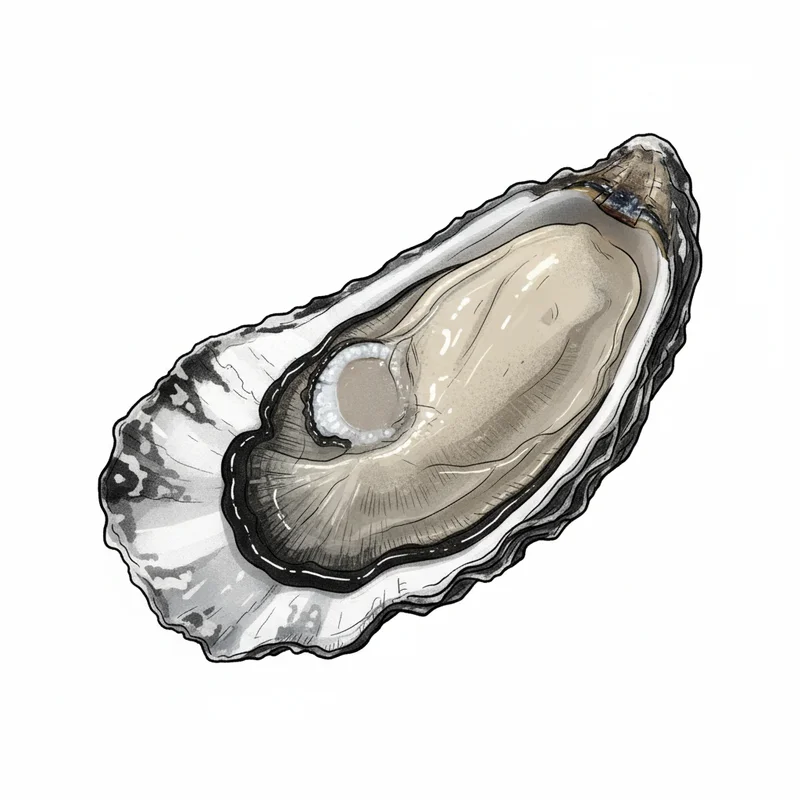
Great South Bay
Crassostrea virginica
Iconic Long Island oyster from the historic Blue Point grounds. Briny with high salinity, plump and meaty with firm texture, balanced sweetness, and a distinctive mineral-woody finish. Cultivated in floating cages near Fire Island Inlet.
At a Glance
Great South Bay is an Eastern oyster (Crassostrea virginica) from the US East Coast. It is notably briny (4/5 brininess) and moderately sweet (3/5 sweetness), with briny, sweet, mineral flavors and a finish that is mineral aftertaste with woody, buttery notes.
Flavor Profile
Finish
Mineral aftertaste with woody, buttery notes
Expert Notes
Great South Bay oysters, historically known as Blue Points, are iconic East Coast oysters cultivated in the cold, nutrient-rich, shallow waters near Fire Island Inlet. The strong currents and abundant phytoplankton of the bay produce a moderately high salinity oyster with a briny punch balanced by delicate sweetness. These plump, meaty oysters have a firm texture and deliver a clean, fresh taste with distinctive mineral notes and an almost buttery, woody finish that makes them very popular with experienced oyster eaters. Origin & Characteristics
- Species
- Crassostrea virginica
- Native to
- USA
- Grown in
- Great South Bay, Long Island, New York, Near Fire Island Inlet
- Size
- Medium to Large (3-3.5 inches)
- Shell Color
- Gray-white with black and white patterns
- Meat Color
- Plump white with black mantle
What Experts Say
Across 8 sources, tasters describe this oyster as:
Unique notes: pine, anise, woody, green pepper, tannic
"Very briny, plump and meaty, firm texture with an almost woody finish. Very popular with experienced oyster eaters."
brinyplumpmeatyfirmwoody
"Moderately high salinity with a briny punch and a mineral aftertaste."
brinymineralhigh salinity
"They deliver the full-salt assault that made Blue Points famous in the 1820s, along with fascinating pine and anise notes most apparent in spring."
saltypineanisebriny
"Sweet, perfectly briny, with a lingering, tannic, green pepper finish. They also have a nice crunch, which to me is essential to the pleasure of an oyster."
sweetbrinytannicgreen peppercrunchy
"Fire Island Blues are as close to the original Blue Points as you can get - a meaty, tough-shelled oyster that thrived in Great South Bay in the 1800s."
meatyrobust
"In the early 1800's they were famous for their robust, wild flavor and it became the favorite oyster in America."
robustwild
About the Farm
Blue Island Oyster Farm
Est. 2004Blue Island Oyster Farm was the first operation to grow oysters in the Great South Bay since the closure of the original Blue Point Oyster Co. In 2012, Chuck Westfall became a partner, reviving the historic oyster cultivation in these waters.
- Cultivation Method
- floating bags
History & Background
The origin story of the real Blue Point began in the early 1800s when Captain Joseph Avery planted the first oyster beds in Great South Bay near the town of Blue Point, Long Island. These meaty, tough-shelled oysters thrived and became the most popular oysters in America. By 1824, a twenty-three-mile-long bed of oysters had been found in Great South Bay. However, overharvesting led to their near extinction by the late 1800s, and production shifted to Long Island Sound. After a century of exile, real Blue Points are once again being cultivated in their ancestral home in Great South Bay.
Blue Point became synonymous with quality oysters in 19th century America, though the name was later diluted by other regions marketing their oysters as 'Bluepoints.' True Blue Points from Great South Bay hold special significance as the original and most authentic version.
Did You Know?
- The name 'Blue Point' became so popular that oysters from Delaware Bay, Chesapeake Bay, and even the Gulf of Mexico were sold under this name, despite having inferior quality.
- New York State law once protected the Blue Point name, stating that only oysters cultivated in Great South Bay waters could be sold as Blue Point oysters.
- Great South Bay oysters are grown near the Fire Island Inlet, where strong currents and high salinity create ideal growing conditions.
Sources & References
This information was compiled from 8 sources.
- The history of oysters and the Great South Bay — Newsday
- Your Essential Guide to Oysters | What is the Difference? — Fulton Fish Market
- Blue Points — The Oyster Guide
- Long Island Blue Point Oyster — Pangea Shellfish - Oysterology
- Blue Point Oyster Taste — Chefs Resources
- The Oyster Farm — Blue Island Oysters
- Ned's Island — The Oyster Guide
- East Coast Vs West Coast Oysters: The Crave Fishbar Tasting Guide — Crave Fishbar
Similar Oysters
Cotuit
US East CoastAmerica's oldest oyster brand since 1857. Rich, complex, with strong mineral brine balanced by sweet notes and a lingering slate finish.
Whale Rock
US East CoastA rare, premium oyster from the Mystic River cultivated by Connecticut's cooperative. Four-inch deep-cupped shells with mineral-rich, sweet-briny flavor and perfect shell shapes make these a sought-after variety.
Damariscotta
US East CoastMaine's finest. Dense, powerful oysters with thick shells, firm ivory meats, and a balanced flavor of strong brine, subtle sweetness, and mineral complexity.
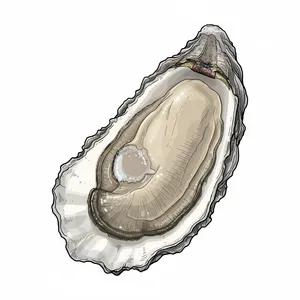
Genuine Blue Point
US East CoastThe legendary Long Island oyster harvested from Great South Bay for over two centuries. Strong, briny, and robust with satiny meats, a fresh crisp texture, and a sweet aftertaste that sparkles with mineral salinity.
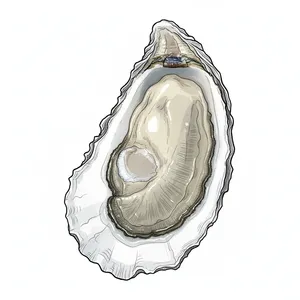
Robins Island
US East CoastSustainably farmed Peconic Bay oyster with medium brine and distinctive iron-rich minerality. Aquatray cultivation yields clean shells and silky, firm meats with complex grassy sweetness and a buttery, vegetal finish.
Learn More
The Big Five: A Complete Guide to Commercial Oyster Species
Comprehensive guide to C. virginica (Atlantic), C. gigas (Pacific), C. sikamea (Kumamoto), O. lurida (Olympia), and O. edulis (European Flat)
Read article → Biology & SpeciesThe Atlantic Oyster (C. virginica): From Maritime Brine to Gulf Sweetness
Deep dive into America's indigenous East Coast oyster - flavor profiles, regional variations, and famous varieties
Read article → Merroir & EnvironmentWhat Is Merroir? How Water Shapes Oyster Flavor
Merroir is the marine version of terroir: how salinity, temperature, tides, and plankton in the growing water shape an oyster's flavor. The science, plus how to taste it.
Read article →