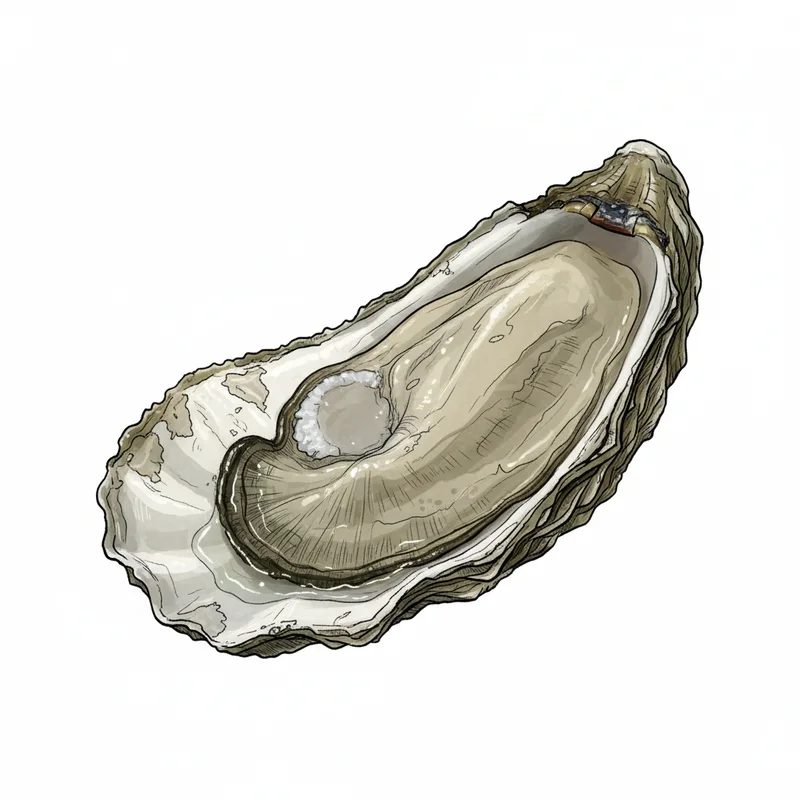
Hurricane Island
Crassostrea virginica
Hand-harvested from the cold, clean waters of Nova Scotia's Northumberland Strait. Small to medium oysters with intense brininess, firm crisp texture, and a notably sweet finish.
At a Glance
Hurricane Island is an Eastern oyster (Crassostrea virginica) from the Canada East Coast. It is notably briny (4/5 brininess) and moderately sweet (3/5 sweetness), with briny, crisp, sweet flavors and a finish that is sweet, clean, crisp.
Flavor Profile
Finish
Sweet, clean, crisp
Expert Notes
Hurricane Island oysters are hand-harvested from the pristine, cold waters of the Northumberland Strait off Nova Scotia. Named after Hurricane Fiona that impacted the east coast, these oysters deliver a distinctive high-salinity punch that's characteristic of the region's clean waters. The initial crisp brininess gives way to a remarkably sweet finish, with firm, crisp meats that provide a refreshing, clean eating experience. Their balance of intense saltiness with sweet complexity makes them a standout among Atlantic Canadian oysters. Origin & Characteristics
- Species
- Crassostrea virginica
- Native to
- Canada
- Grown in
- Northumberland Strait, Nova Scotia, Prince Edward Island
- Size
- Small to Medium (2-3 inches)
- Shell Color
- Tan-greenish with white-smooth finish
- Meat Color
- Cream to light gray
What Experts Say
Across 5 sources, tasters describe this oyster as:
Unique notes: wheatgrass, slick aftertaste, nutty
"The Hurricane will certainly sweep you away! A force to be reckoned with, it has a delicate flesh that isn't without a satisfying 'snap' under tooth. It has a pretty, salty sweet finish with lingering notes, faint floral tones and wheatgrass pleasantly hanging on the palate for a few more moments of savoring."
delicatesaltysweetfloralwheatgrass
"Meaty but, slick aftertaste"
meatyslick
"From the east coast of Canada, these compact beauties are farmed"
compact
"Bag-cultured Eastern oyster from New Brunswick, known for its delicate, slightly meaty texture with a salty, sweet finish and lingering floral notes."
delicatemeatysaltysweetfloral
"Compact and have a slightly nutty finish"
compactnutty
About the Farm
Bag-cultured oyster from Little Shemogue Bay in New Brunswick's Northumberland Strait.
- Cultivation Method
- rack and bag
History & Background
Featured in summer oyster guides as one of the best East Coast oysters to eat during warm months. Regularly served at upscale New York restaurants including Hudson Clearwater, Lure, Monarch Room, and Monkey Bar.
Did You Know?
- Despite the name 'Hurricane Island', the oysters are from Little Shemogue Bay in New Brunswick, Canada
- Described as 'compact beauties' that are ideal for summer eating
- Featured in Grub Street's '8 Oysters You Should Be Eating This Summer' guide
Sources & References
This information was compiled from 5 sources.
- Hurricane Island Oyster - Oysterater — Oysterater.com
- Shellfish - Gadaleto Seafood — gadaletoseafood.com
- 8 Oysters You Should Be Eating This Summer — Grub Street
- East Coast Oysters - Naked Cowboy Oysters — nakedcowboyoysters.com
- Maritime Oysters - Page 2 — Oysterater.com
Similar Oysters
Cape Breton
Canada East CoastWild-caught oyster from Cape Breton Island's pristine waters in Nova Scotia. Very briny with bright ocean character, firm springy meat, and a lingering mineral finish that reflects the clean Atlantic surroundings.
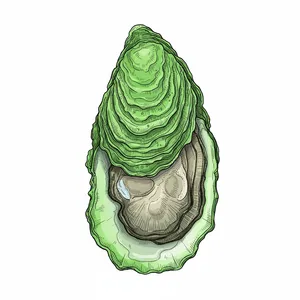
Irish Point
Canada East CoastA cocktail-sized PEI oyster with striking bright green shells. High salinity with a powerful brine that transitions to a sweet, earthy, citrus finish. Excellent meat quality from cold northern waters.
Little Shemogue
Canada East CoastA premium cultured oyster from Southeast New Brunswick's Tormentine Peninsula. Small and plump with medium-high brininess, mineral richness, and a clean, sweet finish. Fresh biscuit aroma makes it an ideal starter oyster.
Tresor Du Large
Canada East CoastRaised in deepwater offshore cages around Les Îles-de-la-Madeleine, Quebec. Intensely briny with a sweet, subtle finish. Firm, meaty, and exceptionally clean with consistent quality.
French Kiss
Canada East CoastA larger, mature Beausoleil from Miramichi Bay, New Brunswick. Full and plump with sharp brininess, clean taste, and a sweet finish. Hand-packed with exceptional attention to detail.
Learn More
The Big Five: A Complete Guide to Commercial Oyster Species
Comprehensive guide to C. virginica (Atlantic), C. gigas (Pacific), C. sikamea (Kumamoto), O. lurida (Olympia), and O. edulis (European Flat)
Read article → Biology & SpeciesThe Atlantic Oyster (C. virginica): From Maritime Brine to Gulf Sweetness
Deep dive into America's indigenous East Coast oyster - flavor profiles, regional variations, and famous varieties
Read article → Merroir & EnvironmentWhat Is Merroir? How Water Shapes Oyster Flavor
Merroir is the marine version of terroir: how salinity, temperature, tides, and plankton in the growing water shape an oyster's flavor. The science, plus how to taste it.
Read article →