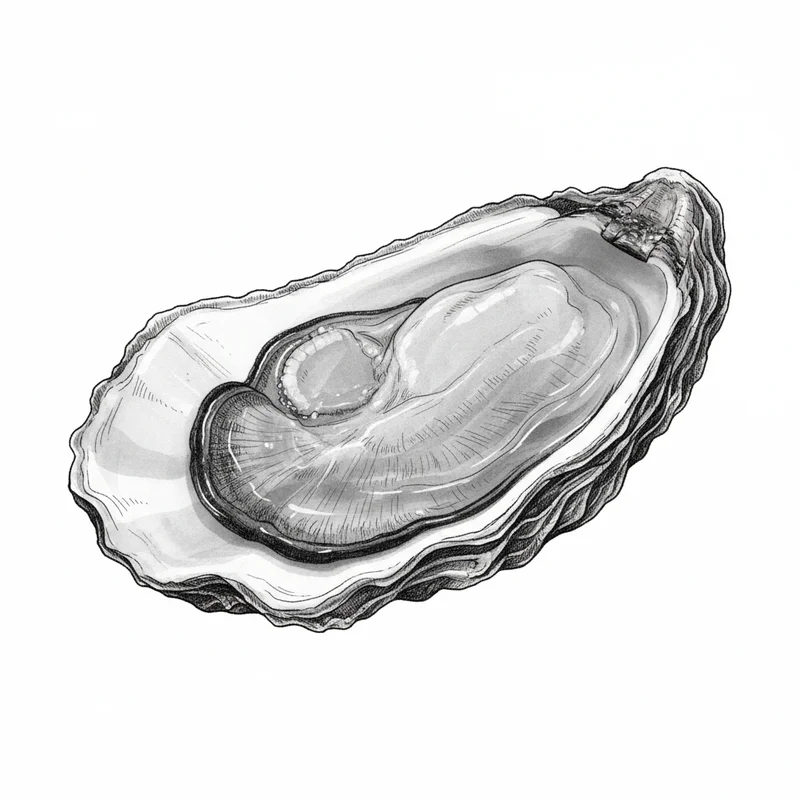
Moonstone
Crassostrea virginica
Bold Rhode Island salt pond oyster from Point Judith Pond. Rich, intense brine with meaty texture and a sweet nutty finish. Grown using rack-and-bag nursery and bottom culture methods.
At a Glance
Moonstone is an Eastern oyster (Crassostrea virginica) from the US East Coast. It is notably briny (4/5 brininess) and moderately sweet (3/5 sweetness), with briny, bold, rich flavors and a finish that is sweet, nutty finish.
Flavor Profile
Finish
Sweet, nutty finish
Expert Notes
Moonstone oysters showcase the distinctive character of Rhode Island's salt pond terroir, where brackish waters create a warm, intense brine. Grown by Cedar Island Oyster Farm using rack-and-bag nursery methods before bottom culture grow-out, these oysters develop a bold, meaty texture and rich oceanic salinity. The clay and hard-packed sand bottom of Point Judith Pond imparts strong mineral notes, balanced by a sweet, nutty finish that distinguishes them as a premium Rhode Island variety. Origin & Characteristics
- Species
- Crassostrea virginica
- Native to
- USA
- Grown in
- Point Judith Pond, South Kingstown, Rhode Island
- Size
- Medium (3-3.5 inches)
- Shell Color
- Clean white (power washed)
- Meat Color
- Plump, light gray
What Experts Say
Across 9 sources, tasters describe this oyster as:
Unique notes: copper, iron, clay, flinty, tannic, tea-like, stony
"Nice, large oysters with full-bodied flavor and unusually deep cups. The brine is strong, but not quite so overwhelming as a Wellfleet, an Island Creek, or a Damariscotta. What jumps out at you is that full body; the taste fills your mouth with minerals and brothy umami richness. Copper, iron, clay—it's all there. In fact, the stony, tannic flavors can make some wines taste almost bitter; your best bet is something exceedingly dry and simple, like Muscadet or Chablis, or a martini. Get that right, and you will discover why I love Moonstones' fine, flinty flavor and long finish."
brinymineralumamicopperiron
"As I consumed my first Moonstone, I experienced an elaborate flavor story. First, the saltiness hit. Then it turned subtly sweet and full of mineral flavors. It finished with a rich, brothy umami taste with mineral and stone accents."
saltysweetmineralumamibrothy
"The minerality of the Moonstone... Although these bivalves were all the exact same species — Crassostrea virginicas, also called the Eastern or Atlantic oyster — they were as distinct from one another as a buttery Napa chardonnay is from a crisp Burgundy Chablis."
mineral
"Warm and intense brine with a bold and meaty texture."
brinyintenseboldmeaty
"Medium to strong brine with a sweet nutty finish."
brinysweetnutty
"Beautiful white shells with black markings. They are known for their deep cups and large size, with an average size of 3.25 inches. The oysters have plump meat and meaty texture."
meatyplump
"Briny, full-flavored, and have a rich umami taste with mineral and stone accents. They have a long finish."
brinyumamimineralstone
"Cedar Islands (which are little, three-inch Moonstones) and Matunucks from Rhode Island were salty and tasty, with the tannic, tea-like quality I always look for in oysters from that corner of the state."
saltytannictea-like
"Some of the most savory oysters in the world come from a geographical arc running from the eastern end of Long Island, along the ragged Rhode Island coast, to Block Island, Cuttyhunk, and Martha's Vineyard: the line marking the terminal moraine of the most recent glacier. Along that arc, mineral-rich waters produce salty oysters with unparalleled stone and iron flavors, of which Moonstone is the reigning king."
savorymineralsaltystoneiron
About the Farm
Cedar Island Oyster Farm (John and Cindy West)
Both John and Cindy studied Aquaculture at the University of Rhode Island, learning about the raising and farming of fish and shellfish. Together, they operate the Cedar Island Oyster Farm where they grow Cedar Island and Moonstone oysters. They take pride in being part of the aquaculture movement and see their oysters as a vibrant part of the local ecosystem, with oysters as natural filter feeders essential to preserving the system.
- Cultivation Method
- rack and bag
History & Background
Moonstone oysters are grown in Point Judith Pond, Rhode Island, located along the glacial terminal moraine that produces some of the most mineral-rich oyster waters on the East Coast. The area's geological formation from the last ice age creates unique water conditions with clay, hard-packed sand, and seaweed bottom composition.
Moonstone oysters are part of Rhode Island's Blue Economy, which promotes the sustainable use of ocean resources for economic growth, improved livelihoods, and jobs while preserving the health of the ocean ecosystem. They are highly favored by East Coast restaurants and New Englanders.
Did You Know?
- Moonstone oysters are named after their location in Point Judith Pond, Rhode Island
- Cedar Island oysters are essentially smaller, three-inch versions of Moonstones from the same farm
- The oysters come in 'classy evening attire': white shells with black stripes and trim
- Ben Lloyd of Standish Shore Oysters dreamed of owning an oyster farm since 1996 when he worked for Moonstone Oysters as a URI Marine Affairs student
Sources & References
This information was compiled from 9 sources.
- Moonstone - The Oyster Guide — oysterguide.com
- Moonstone Oyster — Oysterology Online — pangeashellfish.com
- Moonstone Oysters – OSSC — oceanstateoysters.com
- Moonstone Oysters - Chefs Resources — chefs-resources.com
- Moonstone Oysters - The Oyster Encyclopedia — oysterencyclopedia.com
- To Eat Oysters Better, Treat Them Like Wine - The New York Times — nytimes.com
- Oyster Tasting Log — peekandeat.blogspot.com
- Cool June = Tasty Oysters — oysterguide.com
- CHOW Oyster Guide — oysterguide.com
Similar Oysters
Beavertail
US East CoastLarge, deeply cupped oyster from Rhode Island's Narragansett Bay with a distinctive beaver tail shape. Bold and briny with buttery sweetness, grown in deep suspended trays that capture pure ocean flavor.
Church Point
US East CoastA large Virginia oyster from the James River and Chesapeake Bay. Known for bold brininess, rich creamy texture, and subtle sweetness with a savory lingering finish that exemplifies classic Virginia Bay character.
Blue Point (Great South Bay)
US East CoastThe legendary Blue Point oyster, restored to its original Great South Bay home. Full-salt brininess with sweet honeydew finish and distinctive pine and anise notes. A historic American favorite since the 1820s.
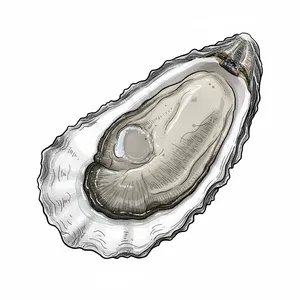
Broadwater
US East CoastA Virginia oyster grown in Chesapeake waters and finished on the Atlantic side for enhanced salinity. Plump, smooth meat with lively brininess and complex flavor that sets it apart from typical Chesapeake oysters.
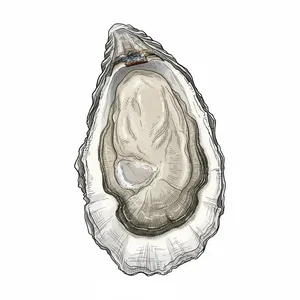
Bulls Bay
US East CoastHistoric South Carolina oyster from Bulls Bay. Large and meaty with a firm texture, pronounced briny flavor, and distinctive sweet finish. Shaped by high salinity coastal waters with peak flavor in colder months.
Learn More
The Big Five: A Complete Guide to Commercial Oyster Species
Comprehensive guide to C. virginica (Atlantic), C. gigas (Pacific), C. sikamea (Kumamoto), O. lurida (Olympia), and O. edulis (European Flat)
Read article → Biology & SpeciesThe Atlantic Oyster (C. virginica): From Maritime Brine to Gulf Sweetness
Deep dive into America's indigenous East Coast oyster - flavor profiles, regional variations, and famous varieties
Read article → Merroir & EnvironmentWhat Is Merroir? How Water Shapes Oyster Flavor
Merroir is the marine version of terroir: how salinity, temperature, tides, and plankton in the growing water shape an oyster's flavor. The science, plus how to taste it.
Read article →