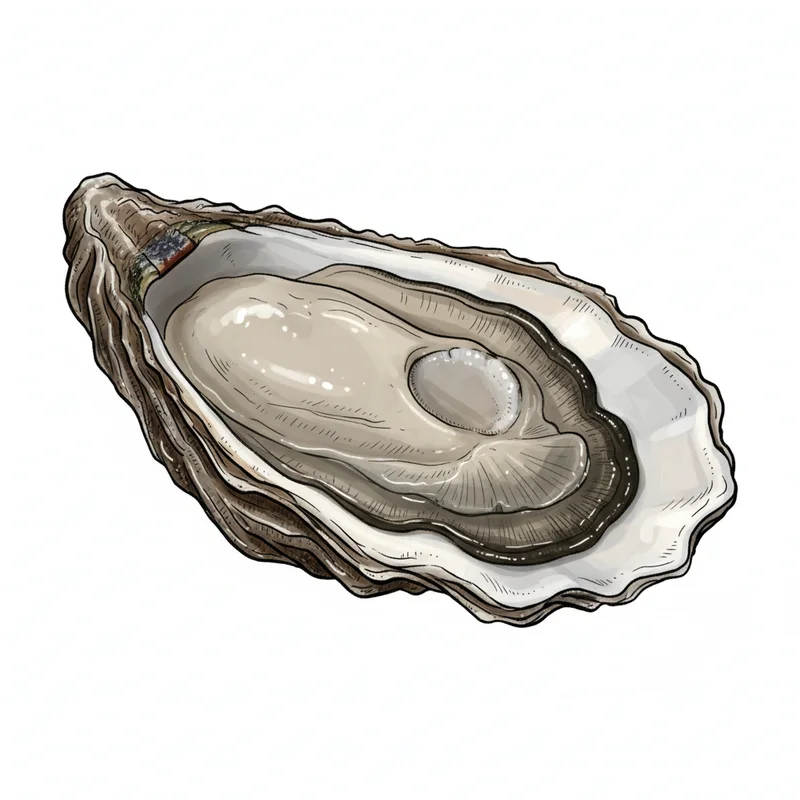
Narragansett
Crassostrea virginica
Wild-harvested and farmed oysters from Rhode Island's historic Narragansett Bay. Long and skinny with shallow cups, these oysters deliver strong brine with earthy, mineral notes and a clean finish that reflects the challenging bay conditions.
At a Glance
Narragansett is an Eastern oyster (Crassostrea virginica) from the US East Coast. It is notably briny (4/5 brininess) and subtly sweet (2/5 sweetness), with briny, clean flavors and a finish that is earthy, mineral, clean.
Flavor Profile
Finish
Earthy, mineral, clean
Expert Notes
Narragansett oysters are primarily wild-harvested from the challenging bottom conditions of Narragansett Bay, developing characteristically long, skinny shells with shallow cups. These oysters deliver a strong briny punch up front with distinctive earthy and mineral undertones that reflect their environment. While traditionally mild and less briny when wild, farmed Narragansett Bay oysters tend to be cleaner and more consistently briny with subtle seaweed notes, showcasing the unique terroir of Rhode Island's historic oyster waters. Origin & Characteristics
- Species
- Crassostrea virginica
- Native to
- USA
- Grown in
- Narragansett Bay, Rhode Island
- Size
- Medium (3-4 inches)
- Shell Color
- Brown to gray-white
- Meat Color
- Light gray to cream
What Experts Say
Across 7 sources, tasters describe this oyster as:
Unique notes: seaweed, light finish
"Wild oysters dredged from Narragansett Bay. They tend to be mild, without much brine, and are often long and skinny with shallow cups, due to the challenging conditions on the bottom of the bay."
mildlow brine
"Strong brine with earthy, mineral notes and a clean finish. Known for their mild flavor and low salinity, which reflect the conditions of their habitat."
brinyearthymineralclean
"Contained in a 2-inch light-colored shell, this oyster tasted like the fresh sea. There's a good amount of saltiness in that small body. It's briny, but it finishes lightly and leaves a clean feeling."
brinysaltycleanlight finish
"The flavor profile is clean and briny with slight hints of seaweed and they sit in a large well-cupped body. They're delicious."
cleanbrinyseaweed
History & Background
Narragansett Bay oysters have a long and rich history, dating back to the Native Americans who used them as a food source and currency. The colonists also prized these oysters, which were exported to Europe and other parts of America. At the height of the Rhode Island oyster industry, more than 60 oyster packinghouses lined the shores of Narragansett Bay.
The Narragansett Oyster Company was founded in the early 20th century and later became part of Blount Seafood Corporation, a major supplier to Campbell Soup Company. The Narragansett and Wampanoag people have harvested wild oysters from Narragansett Bay for thousands of years.
Did You Know?
- At its peak, over 60 oyster packing houses operated along Narragansett Bay shores
- The area has both wild-harvested and farmed oysters, with farming becoming increasingly important for bay restoration
Sources & References
This information was compiled from 7 sources.
- Narragansett - The Oyster Guide — oysterguide.com
- Narragansett Bay Oysters - The Oyster Encyclopedia — oysterencyclopedia.com
- Oyster Tasting Log - Peek & Eat — peekandeat.blogspot.com
- THE OYSTER REPORT - Paul Evans — paulevansny.com
- Rhode Island's Shellfish Heritage: An Ecological History — seagrant.gso.uri.edu
- Born from a Love of Food - Blount Fine Foods — blountfinefoods.com
- Saltwater Farms - RI Oyster Trail — rioystertrail.com
Similar Oysters
Row 34
US East CoastAn innovative rack-and-bag oyster from Duxbury Bay, Massachusetts. Clean and crisp with strong briny minerality, nutty umami notes, and less vegetal character than bottom-planted varieties. Named after the experimental 34th row of oyster trays.
Brewster
US East CoastRack-and-bag cultivated oyster from the Brewster Flats of Cape Cod Bay. Distinctly briny and mineral-rich with a clean, sweet finish reflecting the pristine waters of Massachusetts.
Damariscotta
US East CoastMaine's finest. Dense, powerful oysters with thick shells, firm ivory meats, and a balanced flavor of strong brine, subtle sweetness, and mineral complexity.
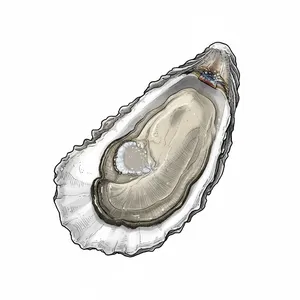
Sunken Meadow Gem
US East CoastCage-cultured Cape Cod oyster from Eastham with strong briny Wellfleet character. Medium-sized with delicate shape, clean ocean flavors, and pleasant seaweed notes in the finish.
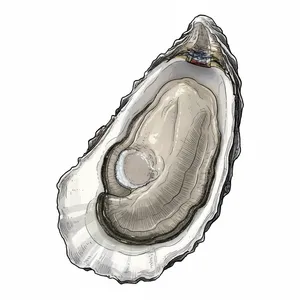
Bluepoint (Long Island Sound)
US East CoastAmerica's most famous oyster since the 1800s. Bottom-planted in Long Island Sound with heavy, gnarly shells. Intensely briny and bold with metallic notes, firm texture, and a mineral finish. A salty classic for purists.
Learn More
The Big Five: A Complete Guide to Commercial Oyster Species
Comprehensive guide to C. virginica (Atlantic), C. gigas (Pacific), C. sikamea (Kumamoto), O. lurida (Olympia), and O. edulis (European Flat)
Read article → Biology & SpeciesThe Atlantic Oyster (C. virginica): From Maritime Brine to Gulf Sweetness
Deep dive into America's indigenous East Coast oyster - flavor profiles, regional variations, and famous varieties
Read article → Merroir & EnvironmentWhat Is Merroir? How Water Shapes Oyster Flavor
Merroir is the marine version of terroir: how salinity, temperature, tides, and plankton in the growing water shape an oyster's flavor. The science, plus how to taste it.
Read article →