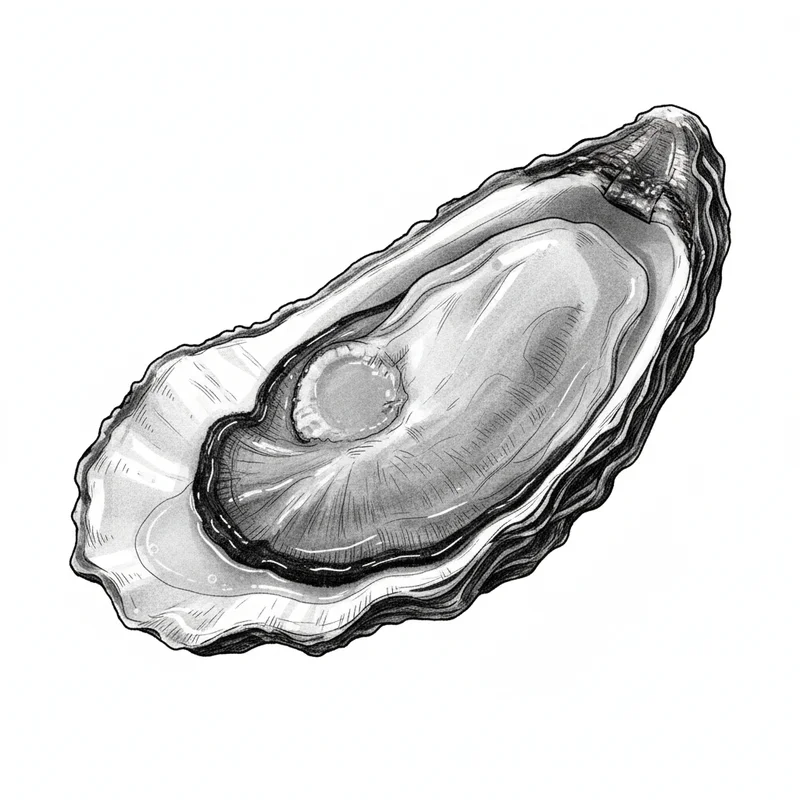
New Point
Crassostrea virginica
A sustainably farmed New Jersey oyster from Northern Barnegat Bay. Large, strong shells with crisp, succulent texture. Fresh and briny with balanced salinity and a mild, sweet finish.
At a Glance
New Point is an Eastern oyster (Crassostrea virginica) from the US East Coast. It is moderately briny (3/5 brininess) and moderately sweet (3/5 sweetness), with briny, crisp flavors and a finish that is sweet, clean aftertaste. It is considered a beginner-friendly oyster.
Flavor Profile
Finish
Sweet, clean aftertaste
Expert Notes
New Point oysters are sustainably farmed in Northern Barnegat Bay using innovative flip farm technology. These oysters develop large, strong shells with a striking black-and-white coloration. The meat is firm and succulent with a balanced fresh, briny ocean flavor that's enhanced by a mild, sweet aftertaste. Their crisp texture and moderate salinity make them approachable yet refined, reflecting the unique waters of their New Jersey origin. Origin & Characteristics
- Species
- Crassostrea virginica
- Native to
- USA
- Grown in
- Northern Barnegat Bay, New Jersey
- Size
- Medium to Large (3-4 inches)
- Shell Color
- Black-and-white
- Meat Color
- Ivory to cream
What Experts Say
Across 4 sources, tasters describe this oyster as:
Unique notes: yellowed ivory flesh, mineral
"The oysters, as meaty as any I've tasted, have a mild flavor and the yellowed ivory flesh common to southern oysters. That mild meatiness made them the best fried oysters I've had."
mildmeaty
"Lovingly tended by White, New Points develop indestructible shells that seem almost like bottomless pits: the oyster keeps going down, down, all the way to the end of the curving cornucopia. The shells look like they were designed by Matisse: tender pinks, purples, and greens; colors common in Pacifics but rarely so apparent in virginicas."
robustmeaty
"Briny, buttery, and slightly mineral flavor. Fresh and have a clean, crisp taste."
brinybutterymineralcleancrisp
"Fresh, briny flavor and firm texture. These oysters are often enjoyed raw, in mignonette sauce."
brinyfreshfirm
About the Farm
New Point Oyster Company
On six acres of Dyers Creek, one of the most remote peninsulas in Virginia, Jack White grows New Point oysters. White, whose eponymous great-grandfather worked three thousand acres of oysters with a fleet of twenty-five skipjacks, is one of the driving forces behind the Chesapeake's Oyster Gardener program with a goal of 'a billion in the bay before I die.'
- Cultivation Method
- bottom culture
History & Background
New Point oysters are named after the New Point Comfort Lighthouse, the only thing that sticks farther into the Chesapeake than White's pristine tidelands on Dyers Creek. The White family has a long oyster heritage, with Jack White's great-grandfather having worked three thousand acres of oysters with a fleet of twenty-five skipjacks.
Jack White is one of the driving forces behind the Chesapeake's Oyster Gardener program, a sustainability initiative aimed at restoring oyster populations in the bay.
Did You Know?
- The shells display colors like Matisse paintings with tender pinks, purples, and greens—colors common in Pacific oysters but rarely so apparent in virginicas
- Rowan Jacobsen called them 'the best fried oysters I've had'
- The shells are described as 'bottomless pits' that curve like a cornucopia
Sources & References
This information was compiled from 4 sources.
- New Points — The Oyster Guide
- Small-Scale Oyster Farming for Chesapeake Watermen — TerraQua
- Virginia Aquaculture Oyster Growers Directory — Virginia Seafood
- Fresh Virginia Select Oysters — Harbor Inn Lynchburg
Similar Oysters
Bodie Island
US East CoastThe Outer Banks' first farmed oyster from North Carolina. Medium-sized with balanced salinity, offering a harmonious blend of sweet and salt with firm texture from off-bottom tray cultivation.
Chunu
US East CoastPremium cocktail-sized oyster from Virginia's Eastern Shore. Similar in size to Kumamotos but with East Coast character—highly salty, smooth, and sweet with a deep cup and firm texture.
Crab Slough
US East CoastWild-harvested oyster from Oregon Inlet in North Carolina's Outer Banks, open only October through March. Balanced briny-sweet flavor with buttery sweet corn and asparagus notes. Strong shells and firm texture shaped by dynamic currents. Often contains tiny pea crabs, considered a local delicacy.
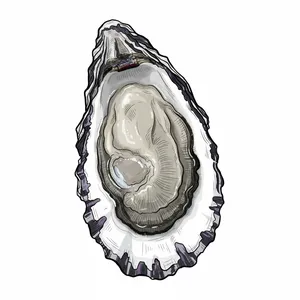
Duxbury
US East CoastA balanced New England classic. Plump and tender with harmonious briny-sweet flavor, buttery notes, and a clean finish.
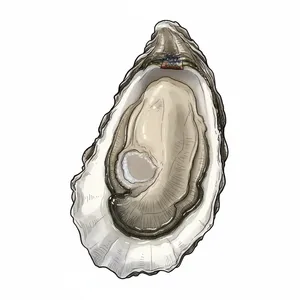
Little Island
US East CoastA bright, fresh Maine oyster from the Bagaduce River. Mildly salty with sharp brine up front, delicate meats, and a sweet, creamy finish. Surface-cultured for smooth shells and deep cups, perfect for the half-shell.
Learn More
The Big Five: A Complete Guide to Commercial Oyster Species
Comprehensive guide to C. virginica (Atlantic), C. gigas (Pacific), C. sikamea (Kumamoto), O. lurida (Olympia), and O. edulis (European Flat)
Read article → Biology & SpeciesThe Atlantic Oyster (C. virginica): From Maritime Brine to Gulf Sweetness
Deep dive into America's indigenous East Coast oyster - flavor profiles, regional variations, and famous varieties
Read article → Merroir & EnvironmentWhat Is Merroir? How Water Shapes Oyster Flavor
Merroir is the marine version of terroir: how salinity, temperature, tides, and plankton in the growing water shape an oyster's flavor. The science, plus how to taste it.
Read article →