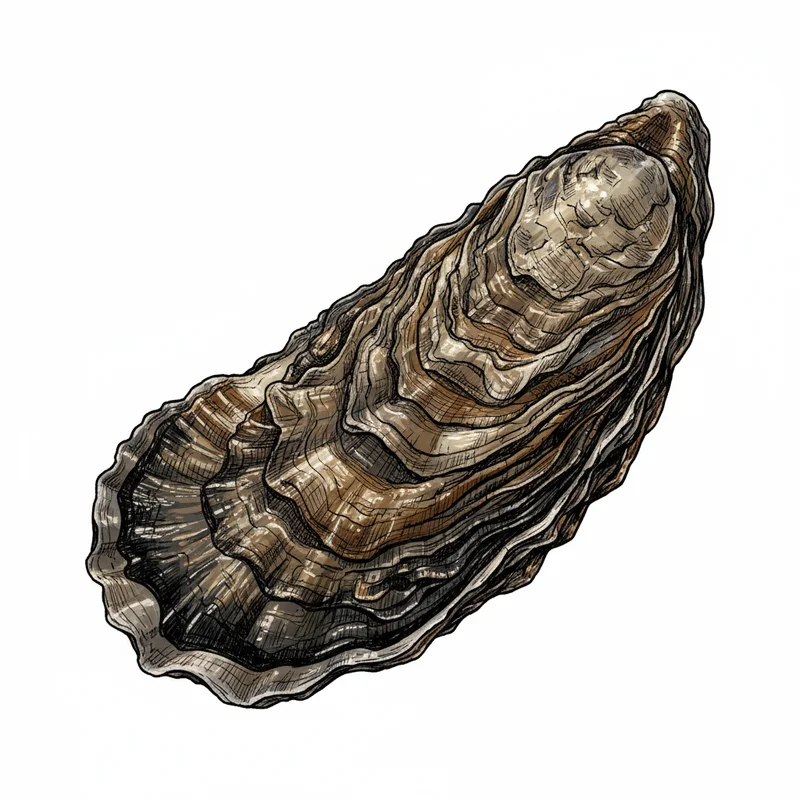
Oysterponds
Crassostrea virginica
Large, deep-cupped Long Island oyster with distinctive umber-and-black shells. Intensely briny and savory with strong mineral character, tannic bite, and full musky flavor. Best September through April.
At a Glance
Oysterponds is an Eastern oyster (Crassostrea virginica) from the US East Coast. It is notably briny (4/5 brininess) and subtly sweet (2/5 sweetness), with briny, savory, mineral flavors and a finish that is strong mineral finish with refreshing tannic bite.
Flavor Profile
Finish
Strong mineral finish with refreshing tannic bite
Expert Notes
Oysterponds are the epitome of East End oysters with their classic umber-and-black shells that yield a particularly savory oyster with a refreshingly tannic, cast-iron bite. With an oceanic salinity of 32 ppt, these oysters deliver intense, mineral-rich flavor and full musky character. Grown in a unique low-tech estuary separated from Gardiner's Bay, the fast-moving salt creek exchanges water every few hours, producing oysters with concentrated briny intensity and the distinctive savory depth that marks the best Long Island offerings. Origin & Characteristics
- Species
- Crassostrea virginica
- Native to
- USA
- Grown in
- Oysterponds, Orient, Long Island, New York, Gardiner's Bay, New York, Peconic Bay, New York
- Size
- Large (3-4 inches (4+ inches for Grande))
- Shell Color
- Umber and black with bronze striping
- Meat Color
- Rich cream to gray
What Experts Say
Across 9 sources, tasters describe this oyster as:
Unique notes: cast-iron bite, salt marshes, musky, oceanic
"Oysterponds are the epitome of East End oysters. They have the classic umber-and-black shells, which in my experience always yield a particularly savory oyster with a refreshingly tannic, cast-iron bite. They have an oceanic salinity of 32 ppt and are always at least four inches."
savorytanniccast-iron bitebrinyoceanic
"Briny and beautiful. You can taste the salt marshes of Orient (or what the Native Americans called 'Oysterponds') in every one."
brinysalt marshes
"Briny upfront, full oyster flavor, with a stronger mineral finish"
brinymineralfull oyster flavor
"According to food writer Rowan Jacobsen's Oyster Guide, Oysterponds are a more impressive expression of what the waters around Long Island have to offer. This is a particularly briny type with pleasant metallic bite."
brinymetallic bite
"The oysterponds had excellent flavor and a strong brine. The shells were lovely, black and umber, but a bit on the brittle side; novice shuckers struggled. The reason is because the oysters are so happy in Reg Tutthill's saltwater creek in Orient, right on the edge of the outer lip of the Peconic Bay, that they grow very quickly, reaching market size in a few months. This preserves a nice sweetness, but the shells don't have time to thicken."
strong brinesweetexcellent flavor
"Briny, full musky oyster flavor"
brinymuskyfull flavor
About the Farm
Oysterponds Shellfish Company
Family-owned business owned and operated by Phil Mastrangelo and Brian Tuthill, located in Orient, NY. Brian Tuthill is a descendant of the Tuthill family, one of the original three families to settle Long Island in 1640.
- Cultivation Method
- rack and bag
History & Background
Orient was established in 1640, originally named Poquatuck by local Native Americans, later called Oyster Ponds due to nearby oyster beds. The Tuthill family was one of the original settling families. Oyster farming on Long Island began in the early 1800s.
The oysters are grown in a saltwater creek in Orient, right on the edge of the outer lip of Peconic Bay, with extraordinary tidal flow. The farm is described as gloriously low-tech with rebar 'tables' sitting a foot off the bottom with bags of oysters attached.
Did You Know?
- The oysters grow so fast in their ideal saltwater creek habitat that they reach market size in a few months, preserving sweetness but resulting in thinner shells
- The town was originally called Oyster Ponds before officially becoming Orient in 1836
- Over 10 million oysters are currently being cultivated by the farm
Sources & References
This information was compiled from 9 sources.
- Oysterponds - New York and Connecticut — The Oyster Guide
- Oysterpond Oyster — Oysterater
- Our Oysters - Oysterponds Shellfish Co. — Oysterponds Shellfish Co.
- Exploring the Regions of Oysters — Escoffier
- Oysterponds Oysters - Chefs Resources — Chefs Resources
- Our Story - Oysterponds Shellfish Co. — Oysterponds Shellfish Co.
- Orient Point Oyster Ponds - Collections & Research — Mystic Seaport
- Unbeatable Moonstones — The Oyster Guide
- LaLota Welcomes Oysterponds Shellfish — U.S. House of Representatives
Similar Oysters
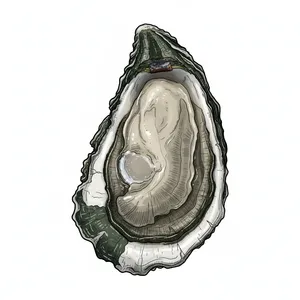
Naked Cowboy
US East CoastWild-harvested from Long Island Sound, the Naked Cowboy is an iconic oyster with massive, plump meats and a ruggedly bold personality. Intensely briny with strong mineral and metallic notes, this is a big, strong, savory oyster for experienced lovers—not for sissies.
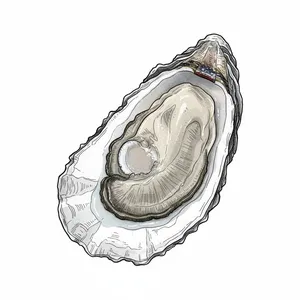
Big Rock
US East CoastAquatray-grown Cape Cod oyster with thick shells and plump, savory meats. Crisp and salty with rich umami flavor, prominent brininess, and clean mineral finish. Named for a boulder on the beach where they're cultivated.
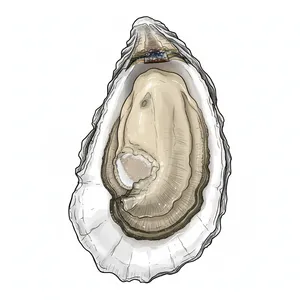
Great White
US East CoastCape Cod's flagship oyster from Barnstable Harbor. Large with thick shells and dense, savory meats. Distinctively briny and mineral-forward with a powerful ocean taste shaped by twice-daily tidal flows.
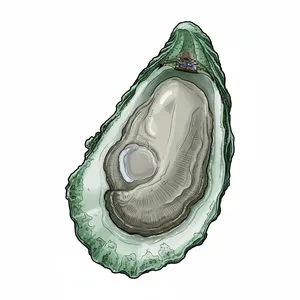
Cotuit
US East CoastAmerica's oldest oyster brand since 1857. Rich, complex, with strong mineral brine balanced by sweet notes and a lingering slate finish.
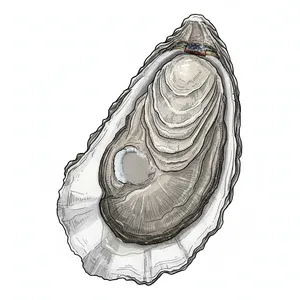
East End
US East CoastClassic East Coast oyster with high salinity and pronounced minerality. Medium-sized with a chewy texture, delivering briny, vegetal flavors and a clean, crisp finish.
Learn More
The Big Five: A Complete Guide to Commercial Oyster Species
Comprehensive guide to C. virginica (Atlantic), C. gigas (Pacific), C. sikamea (Kumamoto), O. lurida (Olympia), and O. edulis (European Flat)
Read article → Biology & SpeciesThe Atlantic Oyster (C. virginica): From Maritime Brine to Gulf Sweetness
Deep dive into America's indigenous East Coast oyster - flavor profiles, regional variations, and famous varieties
Read article → Merroir & EnvironmentWhat Is Merroir? How Water Shapes Oyster Flavor
Merroir is the marine version of terroir: how salinity, temperature, tides, and plankton in the growing water shape an oyster's flavor. The science, plus how to taste it.
Read article →