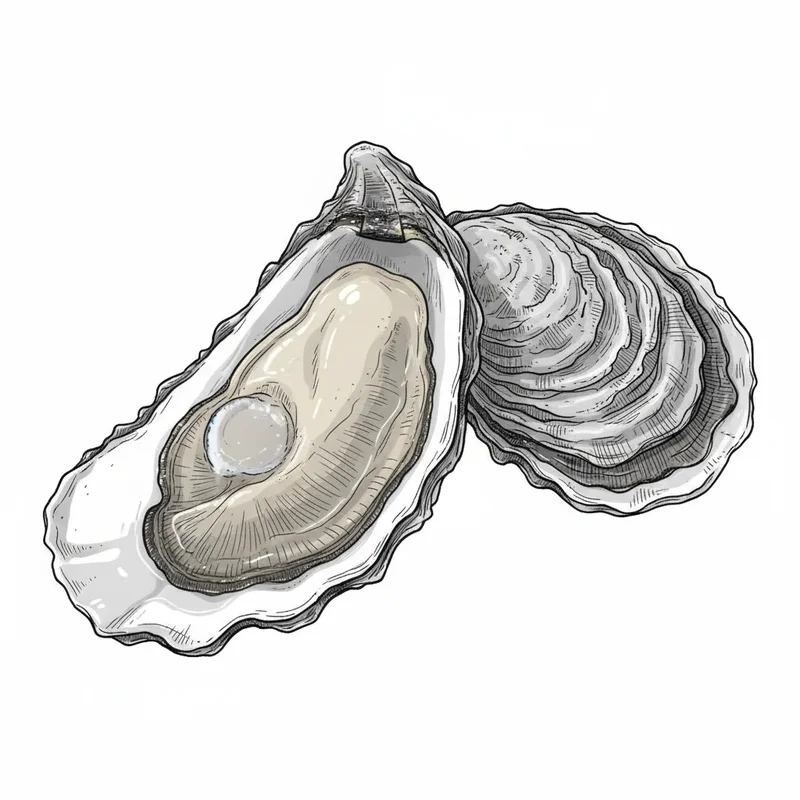
Pungoteague Creek
Crassostrea virginica
Classic Virginia Bay oyster from Nandua Bay on the Eastern Shore. Perfectly balanced brininess and sweetness with a creamy, tender texture and buttery finish. A quintessential Chesapeake oyster.
At a Glance
Pungoteague Creek is an Eastern oyster (Crassostrea virginica) from the US East Coast. It is moderately briny (3/5 brininess) and moderately sweet (3/5 sweetness), with briny, sweet, balanced flavors and a finish that is savory and lingering, clean. It is considered a beginner-friendly oyster.
Flavor Profile
Finish
Savory and lingering, clean
Expert Notes
Pungoteague Creek oysters are quintessential Virginia Bay oysters from the Upper Bay Eastern Shore region. Grown in the protected waters of Nandua Bay with relatively lower salinity (15-20 ppt), they achieve a perfect balance between briny salt and natural sweetness. The tender, creamy texture gives way to a distinctly sweet and buttery finish that melts on the palate, complemented by subtle hints of fresh corn and limestone. Their clean finish and balanced profile make them an ideal representation of classic Virginia oyster character. Origin & Characteristics
- Species
- Crassostrea virginica
- Native to
- USA
- Grown in
- Nandua Bay, Pungoteague, Virginia Eastern Shore
- Size
- Medium (2.5-4 inches)
- Shell Color
- Gray-white
- Meat Color
- Cream to light gray
What Experts Say
Across 8 sources, tasters describe this oyster as:
Unique notes: rusty, alkaline finish, lingering finish, soft salt
"A lot of Chesapeake oysters (particularly those from the northern, Maryland half) can be lacking in the salt department. Pungoteague Creeks, due to their location, relatively close to the mouth of the Bay and on the eastern side, which has no large rivers, have a nice balanced salinity. Just enough, I'd say. Like most Chesapeake oysters, they have a light body, compared to their Northeast cousins, and a bit of a rusty, alkaline finish. They have good-looking shells, without the scarring that can mar many Chesapeake oysters, and a green-tinged shell that almost made them look Canadian. If you want to understand the essence of a Chesapeake oyster, Pungoteagues would be an excellent place to start."
balanced salinitylight bodyrustyalkaline finish
"A quintessential Virginia Bay oyster, offering a perfect balance of briny salt and natural sweetness, complemented by a savory, lingering finish."
brinysweetbalancedsavorylingering finish
"Balanced salt and sweet, with a savory finish. Classic Virginia Bay oyster flavor."
balancedsaltsweetsavory
"Grown on the Chesapeake Bay side of the peninsula, these soft salt oysters have a mild salinity with an almost sweet aftertaste. Similar in flavor to a wild Chesapeake Bay oyster, this unique cultured product can be a great substitute for a wild oyster."
soft saltmild salinitysweet aftertaste
"War Shore's flagship oyster called the Pungoteague Creek Oyster got the attention of several well-known chefs in the DC market for its balanced salinity, fullness, hard shell, and overall quality."
balanced salinityfullness
"Classic Virginia Bay oyster flavor with balanced salt and sweet, with a savory finish. From the bay coast in the Northern part of the Eastern Shore."
balancedsaltsweetsavory finish
About the Farm
War Shore Oyster Company
Est. 2009War Shore Oyster Company is named for the Pungoteague Creek which served as an important waterway and battleground during the War of 1812 and supply route during the American Civil War. Started by growing their own oysters on Virginia's Pungoteague Creek.
History & Background
Pungoteague Creek served as an important waterway and battleground during the War of 1812 and supply route during the American Civil War. The creek has historically supported oyster populations, though like much of the Chesapeake Bay, experienced significant habitat loss between the late 1800s and 1900s.
The Pungoteague Creek oyster represents a quintessential Virginia Bay oyster and has gained attention from well-known chefs in the DC market. It's served at notable establishments including Hank's Oyster Bar in Alexandria, Ryleigh's Oyster in Baltimore, and Metropolitan Kitchen & Lounge in Annapolis.
Did You Know?
- The creek's name comes from its role as a battleground during the War of 1812
- The green-tinged shells of Pungoteague Creek oysters are distinctive enough that Rowan Jacobsen noted they almost looked Canadian
- Located on the Eastern Shore's bayside, close enough to the Bay mouth to have balanced salinity but protected from the full Atlantic salt
Sources & References
This information was compiled from 8 sources.
- Pungoteague Creek — The Oyster Guide
- Oyster Regions — Virginia Oyster Trail
- Original Farm — War Shore Trading Co.
- Our Oysters — Mumford Shellfish
- Oyster Primer — Metropolitan Meat, Seafood & Poultry
- PJ Clarke's Raw Bar - Washington DC — PJ Clarke's
- Everything You Need to Know About Virginia Oysters — Virginia.org
- History of the Virginia Oyster Fishery, Chesapeake Bay, USA — Frontiers in Marine Science
Similar Oysters
Crab Slough
US East CoastWild-harvested oyster from Oregon Inlet in North Carolina's Outer Banks, open only October through March. Balanced briny-sweet flavor with buttery sweet corn and asparagus notes. Strong shells and firm texture shaped by dynamic currents. Often contains tiny pea crabs, considered a local delicacy.
Bodie Island
US East CoastThe Outer Banks' first farmed oyster from North Carolina. Medium-sized with balanced salinity, offering a harmonious blend of sweet and salt with firm texture from off-bottom tray cultivation.
Cape May Salt
US East CoastA stalwart mid-Atlantic oyster from Delaware Bay, New Jersey. Briny and sweet with exceptionally plump, creamy meat from rack and bag cultivation near Cape May's salty waters.
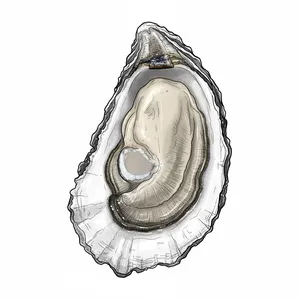
Cedar Island Select
US East CoastA flagship North Carolina oyster from Cedar Island Bay's pristine waters. Large and deep-cupped with balanced brininess and a distinctive sweet, buttery finish. Sustainably farmed in floating cages.
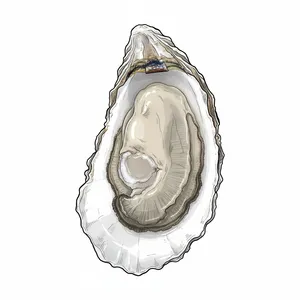
Chadwick Creek
US East CoastDelicate and buttery North Carolina oyster from Pamlico Sound. Deep-cupped with bright white shells, featuring a sweet finish and balanced brininess. Cultivated in off-bottom cages.
Learn More
The Big Five: A Complete Guide to Commercial Oyster Species
Comprehensive guide to C. virginica (Atlantic), C. gigas (Pacific), C. sikamea (Kumamoto), O. lurida (Olympia), and O. edulis (European Flat)
Read article → Biology & SpeciesThe Atlantic Oyster (C. virginica): From Maritime Brine to Gulf Sweetness
Deep dive into America's indigenous East Coast oyster - flavor profiles, regional variations, and famous varieties
Read article → Merroir & EnvironmentWhat Is Merroir? How Water Shapes Oyster Flavor
Merroir is the marine version of terroir: how salinity, temperature, tides, and plankton in the growing water shape an oyster's flavor. The science, plus how to taste it.
Read article →