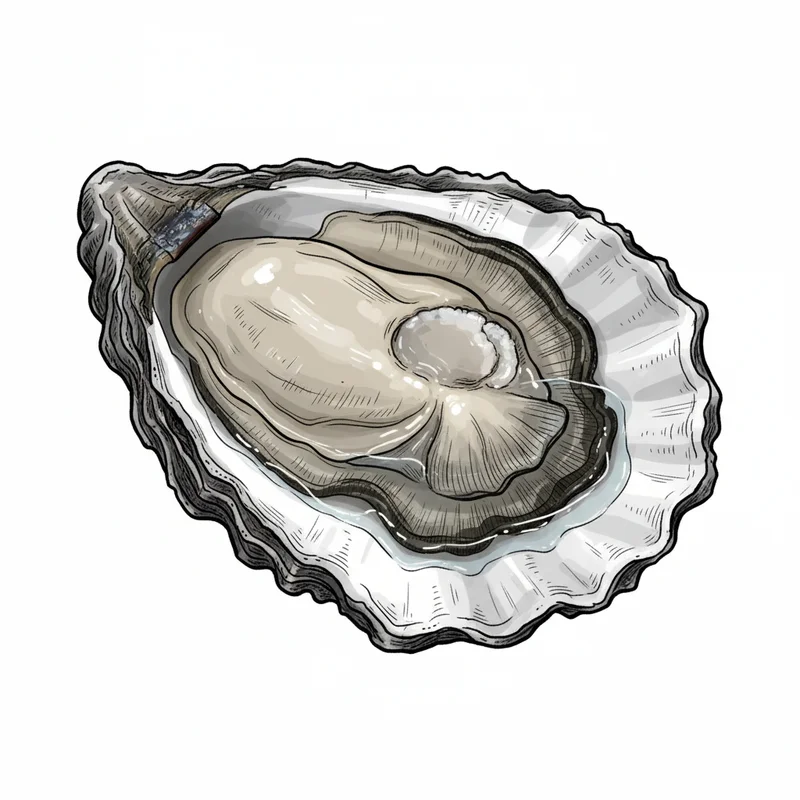
Quilcene
Crassostrea gigas
Beach-grown Pacific oyster from Quilcene Bay in Hood Canal, Washington. Clean and mild with balanced brininess, delicate sweetness, and a fresh finish. Variable size with firm meats and rugged shells.
At a Glance
Quilcene is a Pacific oyster (Crassostrea gigas) from the US West Coast. It is moderately briny (3/5 brininess) and moderately sweet (3/5 sweetness), with clean, mild brine flavors and a finish that is clean, sweet, fresh. It is considered a beginner-friendly oyster.
Flavor Profile
Finish
Clean, sweet, fresh
Expert Notes
Quilcene oysters embody the quintessential Hood Canal character with their clean, mild flavor profile and balanced sweetness. Beach-grown on the windy shores of northern Hood Canal, these hardy oysters develop firm, full meats encased in rugged shells. Their delicate yet satisfying flavor reflects the pristine waters of Quilcene Bay, offering that characteristic Pacific Northwest freshness with a crisp, briny taste and a pleasantly sweet finish. Origin & Characteristics
- Species
- Crassostrea gigas
- Native to
- Japan
- Grown in
- Quilcene Bay, North Hood Canal, Washington
- Size
- Variable (2-6 inches)
- Shell Color
- Gray-white, rugged
- Meat Color
- Cream to pale gray
What Experts Say
Across 10 sources, tasters describe this oyster as:
Unique notes: ocean freshness, Hood Canal flavor
"Delicate meats with a medium brininess, clean flavor and a sweet finish."
delicatemedium brininesscleansweet
"You can expect to taste the ocean freshness and yet enjoy a sweet after taste when eating this wonderful oyster."
ocean freshnesssweet
"Enjoy the fresh, briny flavor of Quilcene oysters...Sourced from the clean, cold waters of Washington's Quilcene Bay."
freshbrinyclean
"Whatever they look like on the outside, all have that clean, mild Hood Canal flavor inside."
cleanmild
"Delicate meats with a medium brininess, clean flavor and a sweet finish."
delicatemedium brininesscleansweet
"Our first West coast oyster came in a small, deep cupped shell."
deep cupped
"The Quilcene oysters are superb."
superb
About the Farm
Multiple growers in Quilcene Bay
Many people cultivate oysters in Quilcene—or harvest wild ones. Oystering has always been central to the life of Quilcene Bay and the eponymous town.
- Cultivation Method
- beach culture
History & Background
Oystering has always been central to the life of Quilcene Bay and the eponymous town. The Quilcene Historical Museum has hosted events celebrating the oyster tradition for over thirty years at Worthington Park.
The local saloon is called The Whistling Oyster, reflecting the cultural importance of oysters to the community. Quilcene Bay has public tidelands where visitors can harvest their own oysters at low tide during season by following Linger Longer Road along the shore.
Did You Know?
- The local Quilcene saloon is called The Whistling Oyster
- Quilcene has public tidelands accessible via Linger Longer Road where you can harvest your own oysters at low tide
- Quilcene is home to major shellfish hatcheries, including Coast Seafoods Company and Taylor Shellfish, which produce oyster seed stock
Sources & References
This information was compiled from 10 sources.
- Quilcene Oyster - Chefs Resources — chefs-resources.com
- Quilcene - Hood Canal and Southern Puget Sound — oysterguide.com
- Luna - Pacific Gold Seafood. Inc — pacificgoldseafood.com
- Buy Small Quillcene Oysters in Jars Online - Pure Food Fish Market — freshseafood.com
- Quilcene Oysters - Savortheseas — savortheseas.myshopify.com
- Oyster Tasting Log - Peek & Eat — peekandeat.blogspot.com
- FIRST IMPRESSIONS: I feel like I'm joining... - Los Angeles Times — latimes.com
- Taylor Shellfish Farm's Story — taylorshellfishfarms.com
- Shellfish and fish farmers — soundtoxins.org
- Quilcene, WA - Issuu — issuu.com
Similar Oysters
Dosewallips
US West CoastBeach-grown Pacific oyster from central Hood Canal where the Dosewallips River meets the sea. Sweet and cucumbery with a creamy texture, balanced brininess, and a light, clean finish.
Gold Creek
US West CoastClassic Pacific Northwest oyster from southern Hood Canal. Beach-grown on rocky shores with full cups, firm meat, and a bright, briny flavor with a mild, clean finish.
Hawk's Point
US West CoastA large Pacific oyster from pristine Willapa Bay, Washington. Rack and bag cultivated with mild brininess, delicate floral notes, and a crisp citrus finish. Substantial, meaty texture with a clean aftertaste.
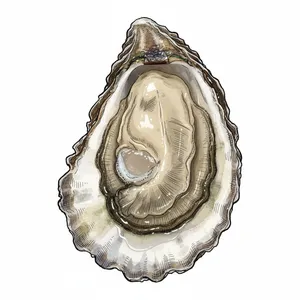
Oysterville Select
US West CoastFarm-raised Pacific oyster from Willapa Bay, Washington. Known for their smooth texture, deep cup, and delicate balance of brine and sweetness with a clean, crisp finish from pristine West Coast waters.
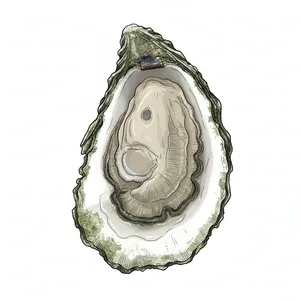
Samish Bay
US West CoastBeach-cultured Pacific oyster from historic Samish Bay in Northern Puget Sound. Firm, plump meats with medium brininess, mild sweetness, and a distinctive refreshing cucumber finish. Rustic lichen-green shells.
Learn More
The Big Five: A Complete Guide to Commercial Oyster Species
Comprehensive guide to C. virginica (Atlantic), C. gigas (Pacific), C. sikamea (Kumamoto), O. lurida (Olympia), and O. edulis (European Flat)
Read article → Biology & SpeciesThe Pacific Oyster (C. gigas): Cream, Cucumber, and the Japanese Legacy
Understanding the world's most cultivated oyster - from Japanese origins to West Coast dominance
Read article → Merroir & EnvironmentWhat Is Merroir? How Water Shapes Oyster Flavor
Merroir is the marine version of terroir: how salinity, temperature, tides, and plankton in the growing water shape an oyster's flavor. The science, plus how to taste it.
Read article →