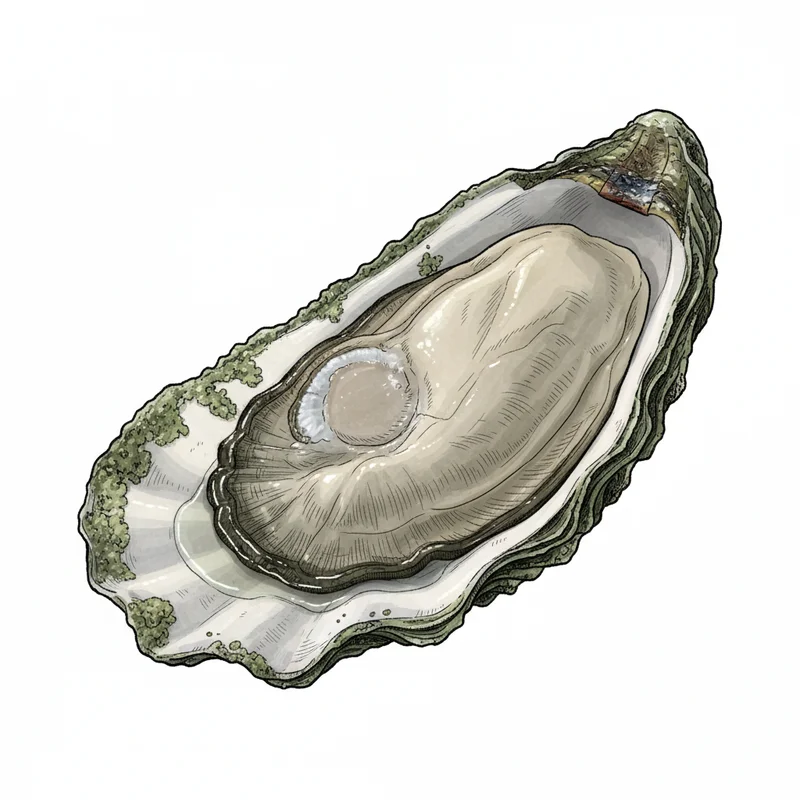
Samish Bay
Crassostrea gigas
Beach-cultured Pacific oyster from historic Samish Bay in Northern Puget Sound. Firm, plump meats with medium brininess, mild sweetness, and a distinctive refreshing cucumber finish. Rustic lichen-green shells.
At a Glance
Samish Bay is a Pacific oyster (Crassostrea gigas) from the US West Coast. It is moderately briny (3/5 brininess) and distinctly sweet (4/5 sweetness), with sweet, mild brine, cucumber flavors and a finish that is clean, sweet, with subtle cucumber notes. It is considered a beginner-friendly oyster.
Flavor Profile
Finish
Clean, sweet, with subtle cucumber notes
Expert Notes
Samish Bay oysters are beach-cultured Pacific oysters with a distinctive character shaped by the historic bay where Pacific oysters first took root in 1919. These hearty oysters develop firm, plump meats from their intertidal life fighting the tides on sandy beaches. They offer medium brininess balanced with mild sweetness and a unique subtle cucumber note that reflects the bay's terroir. Often compared to Penn Cove Selects, they present a less refined, more rustic appearance with rough, lichen-green shells that belie their clean, refreshing flavor. Origin & Characteristics
- Species
- Crassostrea gigas
- Native to
- Japan
- Grown in
- Samish Bay, Northern Puget Sound, Washington
- Size
- Small to Medium (2-3 inches)
- Shell Color
- Rough, lichen-green with mossy patterns
- Meat Color
- Plump, cream to light gray
What Experts Say
Across 8 sources, tasters describe this oyster as:
Unique notes: lichen-green shells, crisp, plump, crunchy freshness
"Rough, lichen-green shells, medium salt, and plump, sweet, mild meats."
sweetmildplumpmedium salt
"Full, firm meats with delicate cucumber notes and a crisp salty brine."
cucumberfirmcrispsaltybriny
"Mild, sweet flavor with medium brininess. Firm, plump meat."
mildsweetmedium brininessfirmplump
"Rich nutrients and algae from Samish Bay environment, making this location a perfect area to raise shellfish."
richnutrient-forward
"Beach-cultured in Samish Bay oysters have the crunchy freshness of a salted cucumber."
cucumbercrunchyfreshsalted
"One of a kind flavor profile, distinguished by a subtle, refreshing hint of cucumber."
cucumbersubtlerefreshing
About the Farm
Multiple growers including Taylor Shellfish Farms and Penn Cove Shellfish
Samish Bay is home to numerous oyster growers, including some of the biggest in the Pacific Northwest. The bay's shallow, firm-bottomed shores are ideal for beach culture oyster farming.
- Cultivation Method
- bottom culture
History & Background
Samish Bay was where the first Pacific oysters grew in 1919 after being tossed from their cargo ship. The first commercially viable transplant of oysters from Miyagi Prefecture to Samish Bay took place in 1919, brought by J. Emy Tsukimato and Joe Miyagi, two Japanese men who founded the Pearl Oyster Company.
Samish Bay has been a center of Pacific oyster cultivation for over 100 years and represents the birthplace of the Pacific oyster industry in Washington State.
Did You Know?
- First Pacific oysters in Washington grew here in 1919 after being tossed from a cargo ship
- The bay has been 'chock-full' of oysters ever since that first introduction
- Known for producing oysters with distinctive rustic lichen-green shells
Sources & References
This information was compiled from 8 sources.
- Samish Bay - Northern Puget Sound — The Oyster Guide
- Samish Bay Oyster — Oysterology Online — Pangea Shellfish Company
- Samish Bay Oysters — Chefs Resources
- Oyster Farming in Washington, Part 1 — HistoryLink.org
- Posts from the Pier: Trevor Vick at Hama Hama Oyster Company — Oyster South
- Our Farms — Penn Cove Shellfish
- Learn where your favorite oyster is grown — Pacific Seafood Facebook
- Snow Creek Oyster — Marinelli Shellfish
Similar Oysters
Hammersley Inlet
US West CoastBeach-grown Pacific oyster from South Puget Sound's Hammersley Inlet. Plump and sweet with mild saltiness, rich body, and a distinctive cucumber-melon finish. Grown in nutrient-dense waters for excellent meat-to-shell ratio.
Dosewallips
US West CoastBeach-grown Pacific oyster from central Hood Canal where the Dosewallips River meets the sea. Sweet and cucumbery with a creamy texture, balanced brininess, and a light, clean finish.
Sunset Beach
US West CoastBeach-raised Pacific oyster from Hood Canal, Washington. Full, plump meats with mild brininess, sweet flavor, and a distinctive melon-like aftertaste. Thick shells and crunchy texture from intertidal cultivation.
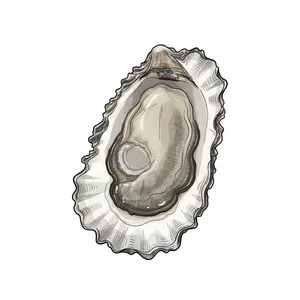
Bald Point
US West CoastSmall, beach-cultured Pacific oyster from Hood Canal, Washington. Low brininess with a sweet, delicate flavor and distinctive musky finish. Hardy shells from intertidal cultivation.
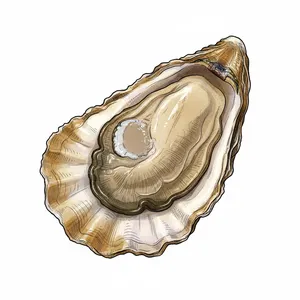
Pacific Gold
US West CoastSuspension-raised Pacific oyster from Discovery Bay, Washington and Morro Bay, California. Large, sweet, and mild with firm meats, lovely fluted shells, and a fresh, crisp finish.
Learn More
The Big Five: A Complete Guide to Commercial Oyster Species
Comprehensive guide to C. virginica (Atlantic), C. gigas (Pacific), C. sikamea (Kumamoto), O. lurida (Olympia), and O. edulis (European Flat)
Read article → Biology & SpeciesThe Pacific Oyster (C. gigas): Cream, Cucumber, and the Japanese Legacy
Understanding the world's most cultivated oyster - from Japanese origins to West Coast dominance
Read article → Merroir & EnvironmentWhat Is Merroir? How Water Shapes Oyster Flavor
Merroir is the marine version of terroir: how salinity, temperature, tides, and plankton in the growing water shape an oyster's flavor. The science, plus how to taste it.
Read article →