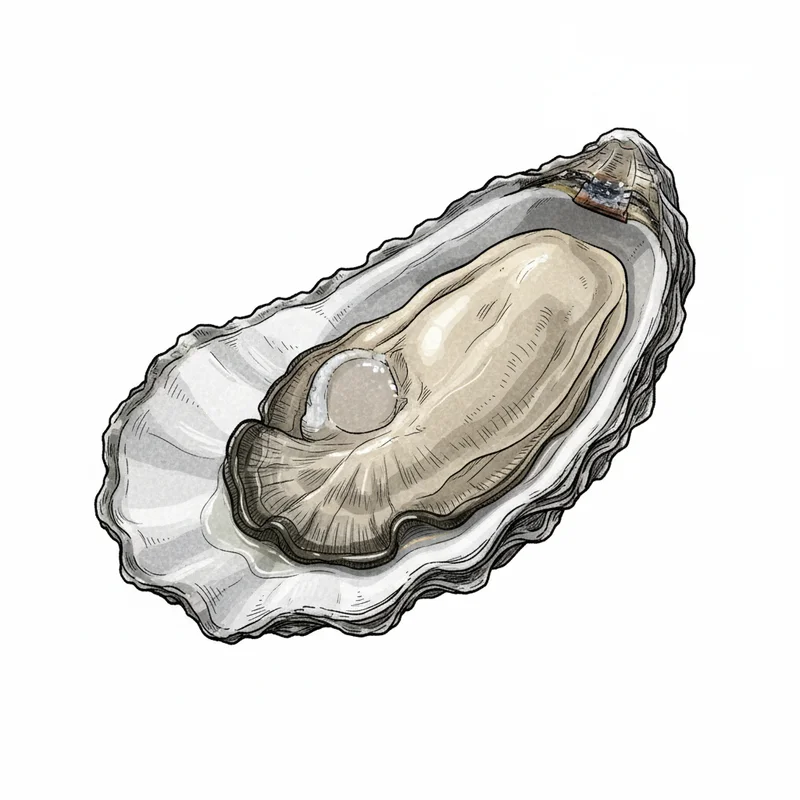
Satori
Crassostrea gigas
Pacific oyster from British Columbia cultivated using deep water start, tumbling, and beach methods. Medium brininess with fresh, clean taste and distinctive cucumber finish.
At a Glance
Satori is a Pacific oyster (Crassostrea gigas) from the Canada West Coast. It is moderately briny (3/5 brininess) and subtly sweet (2/5 sweetness), with briny, clean, cucumber flavors and a finish that is fresh, clean with cucumber notes. It is considered a beginner-friendly oyster.
Flavor Profile
Finish
Fresh, clean with cucumber notes
Expert Notes
Satori oysters are cultivated using deep water starting methods, then tumbled and beach-cultivated to develop their distinctive profile. These Pacific oysters showcase medium brininess with a refreshingly clean taste that's highlighted by distinctive cucumber notes on the finish. The careful cultivation process in British Columbia's cold Pacific waters produces a crisp, fresh oyster with bright flavors and a refined, vegetal character that sets them apart. Origin & Characteristics
- Species
- Crassostrea gigas
- Native to
- Japan
- Grown in
- Pacific British Columbia
- Size
- Small to Medium (2-3 inches)
- Shell Color
- Gray-white with natural ruffled edges
- Meat Color
- Pale cream
What Experts Say
Across 3 sources, tasters describe this oyster as:
Unique notes: hint of cucumber, hard shell
"Just meaty enough to satisfy but not too large. Great taste!"
meaty
"Moderately firm texture, fresh taste, and a hint of cucumber."
freshcucumberfirm
"Tray-grown oyster from the Denman Island side of Baynes Sound, beach-finished for a harder shell."
hard shell
About the Farm
Satori Oysters are cultivated in the pristine waters off of Denman Island in Baynes Sound on the eastern side of Vancouver Island. They are beach cultivated and machine tumbled to give them a uniform shape and deep cups.
- Cultivation Method
- beach culture
History & Background
Cultivated on Denman Island side of Baynes Sound, British Columbia, these oysters are beach-finished to develop harder shells and increased texture.
Did You Know?
- Machine tumbled for uniform shape and deep cups
- Beach finishing increases shell hardness and 'bite' or texture
Sources & References
This information was compiled from 3 sources.
- Satori - Oysterater — Oysterater
- Satori Oysters Flavor - Chefs Resources — Chefs Resources
- OysterFinder - The Oyster Guide — Oyster Guide
Similar Oysters
Buckley Bay
Canada West CoastA premium Pacific oyster from Baynes Sound, British Columbia. Tray-raised and beach-hardened for firm meats and strong shells. Balanced brininess with distinctive melon and cucumber finish.
Evening Cove
Canada West CoastBeach cultured Pacific oyster from Vancouver Island's Evening Cove. Features firm meats with a clean, mildly briny flavor and distinctive watermelon finish. Beautiful fluted shells make for elegant presentations.
Komo Gway
Canada West CoastBeach-grown Pacific oyster from Baynes Sound on Vancouver Island. Clean, briny flavor with firm texture, subtle cucumber notes, and a slightly sweet finish. Harvested from the traditional territory of the K'ómoks First Nation.
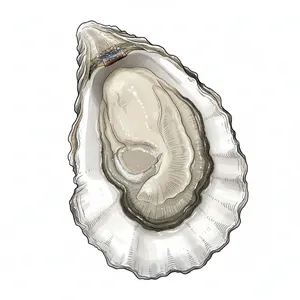
Sinku
Canada West CoastDeep-water suspended Pacific oyster from British Columbia. Clean and briny with a mild, cold milk taste and no vegetal notes. Crisp texture from cold-water cultivation at 15-40 feet depth.
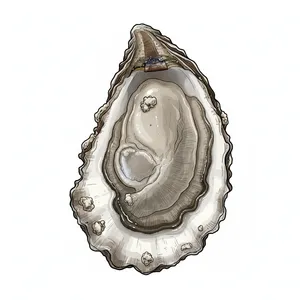
Ships Point
Canada West CoastBeach-grown Pacific oyster from Baynes Sound, British Columbia. Moderately salty with a mild, sweet flavor and distinctive bitter cucumber finish. Naturally tumbled by winter storms.
Learn More
The Big Five: A Complete Guide to Commercial Oyster Species
Comprehensive guide to C. virginica (Atlantic), C. gigas (Pacific), C. sikamea (Kumamoto), O. lurida (Olympia), and O. edulis (European Flat)
Read article → Biology & SpeciesThe Pacific Oyster (C. gigas): Cream, Cucumber, and the Japanese Legacy
Understanding the world's most cultivated oyster - from Japanese origins to West Coast dominance
Read article → Merroir & EnvironmentWhat Is Merroir? How Water Shapes Oyster Flavor
Merroir is the marine version of terroir: how salinity, temperature, tides, and plankton in the growing water shape an oyster's flavor. The science, plus how to taste it.
Read article →