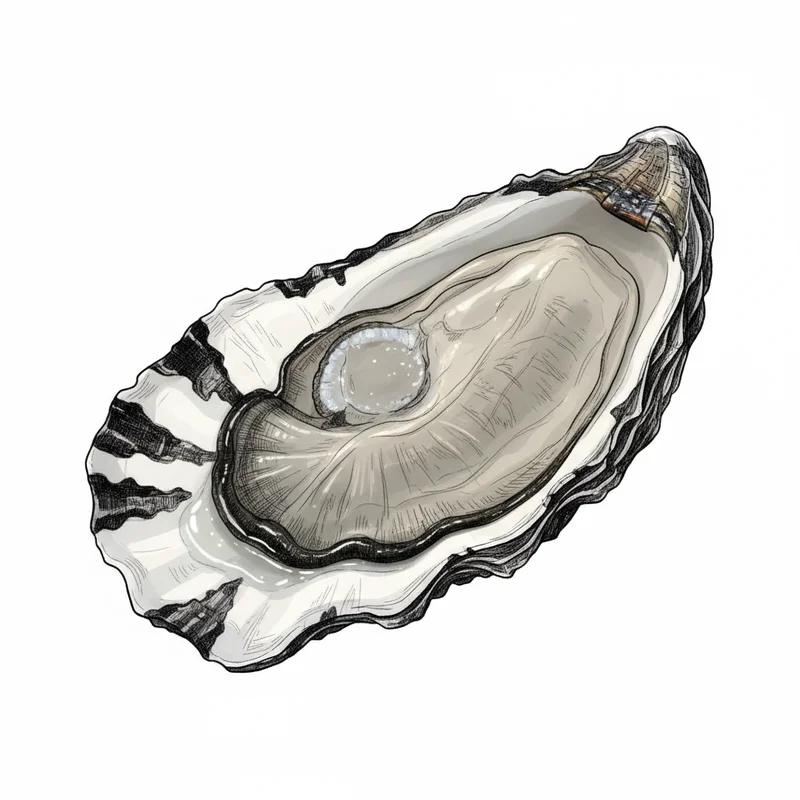
Stingray
Crassostrea virginica
The quintessential Chesapeake Bay oyster from Mobjack Bay, Virginia. Perfectly balanced between sweet and salty with a clean, crisp finish. Distinctive white shell with black markings.
At a Glance
Stingray is an Eastern oyster (Crassostrea virginica) from the US East Coast. It is moderately briny (3/5 brininess) and distinctly sweet (4/5 sweetness), with sweet, mild brine flavors and a finish that is clean, crisp, with subtle earthy notes. It is considered a beginner-friendly oyster.
Flavor Profile
Finish
Clean, crisp, with subtle earthy notes
Expert Notes
The Stingray is the quintessential Chesapeake Bay oyster, offering perfect balance between salt and sweet. Grown by Travis and Ryan Croxton in off-bottom cages in Mobjack Bay where the York River meets the Chesapeake, these oysters benefit from mid-salinity waters (19 ppt) with minimal freshwater influence. Plump and meaty, harvested at about one year old, they deliver enough salt to make you thirsty but not desperate, with a sweet finish and subtle earthy notes that evoke the Tidewater region. The distinctive shells feature white coloring with black markings, as if iron filings were mixed with the calcium carbonate. Origin & Characteristics
- Species
- Crassostrea virginica
- Native to
- USA
- Grown in
- Mobjack Bay, Chesapeake Bay, Virginia, Ware Neck, Virginia
- Size
- Medium (3-4 inches)
- Shell Color
- White with black markings
- Meat Color
- Plump, light gray to cream
Perfect Pairings
What Experts Say
Across 7 sources, tasters describe this oyster as:
Unique notes: soy sauce, umami, plump
"The Stingray is a quintessential Chesapeake oyster, plump, sweet, and lightly salty. It's the most balanced of the three Croxton oysters, not too salty, not too sweet, just right. It has 19 ppt salt—a bit more than its cousin, the Rappahannock River oyster, but still less than an Olde Salt or Northern virginicas."
sweetlightly saltybalancedplump
"Stingray from Mobjack Bay, Virginia - Enjoyed at Ed's Lobster Bar Annex on 8.30.11. Flavor: 4 | Salinity: 2 | Sweetness: 2 | Umami: 3 | Texture: Mildly creamy, slightly plump. Soy sauce flavors, very [...]"
mildly creamyslightly plumpsoy sauceumami
"Drawn from the Chesapeake Bay's median salt range, Stingrays are the quintessential Chesapeake Bay oyster: sweet and mildly briny with a clean, crisp finish."
sweetmildly brinycleancrisp
"Lower Bay Western Shore - Location: Mobjack Bay region and the mouth of the York River. Flavor Profile: A mild saltiness that transitions smoothly into a sweet, clean finish. Oyster Types: Stingray Oysters, Goodwin Island Oysters, York River Oysters, Dandylicious, Eagle Flats, Forbidden Oysters, Mobjack Bay, Yorksters"
mild saltinesssweetclean finish
"Tasting Notes - Saltiness: Moderate, Buttery/Creamy: Barely Perceptible, Sweetness: Barely Perceptible. Comments: Mild saltiness moving to a sweet finish."
moderate saltinesssweet finishbarely butterybarely creamy
"Where They Are Found: Mobjack Bay region and the mouth of the York River. Flavor: Mild saltiness moving to a sweet finish. Common Types: Stingray Oysters, Goodwin Island Oysters, York River Oysters."
mild saltinesssweet finish
About the Farm
Rappahannock River Oysters (Travis and Ryan Croxton)
Est. 1899Founded in 1899 by a young James Croxton, Rappahannock River Oysters has gone from serving local dinner tables to supplying some of the world's best restaurants. The Stingray is grown by Travis and Ryan Croxton at Ware Neck in a bay that opens wide to the Chesapeake.
- Cultivation Method
- bottom culture
History & Background
The Stingray oyster is grown at Ware Neck in Mobjack Bay, which opens wide to the Chesapeake Bay and has little freshwater river influence, resulting in its distinctive balanced flavor profile.
Named after the Bay oyster's chief predator, the stingray. The Stingray represents the quintessential Chesapeake Bay oyster experience, grown in the Lower Bay Western Shore region.
Did You Know?
- Named after the stingray, which is the Chesapeake Bay oyster's chief predator
- Features distinctive white shells with black markings, as if iron filings had been mixed in with the calcium carbonate
- Harvested at a standard size of three to four inches and about a year of age
- Has a salinity of 19 ppt, placing it in the Chesapeake Bay's median salt range
Sources & References
This information was compiled from 7 sources.
- Stingray - Chesapeake — The Oyster Guide
- Rappahannock River Stingray Oysters - 100 count — Goldbelly
- A Week in the Life of an Oysterholic — In a Half Shell
- Oyster Regions — Virginia Oyster Trail
- Stingray Oysters — Chef's Resources
- Oyster Primer — Metropolitan Meat, Seafood & Poultry
- Everything You Need to Know About Virginia Oysters — Virginia.org
Similar Oysters
38 Degrees North
US East CoastA balanced Chesapeake Bay oyster. Mild, slightly sweet with refined brine and a clean finish. Firm and meaty from floating cage cultivation.
Flying Point
US East CoastA full-bodied Maine oyster from Maquoit Bay. Plump with balanced salinity, sweet and salty finish. Grown on tidal mud flats where ocean brine meets nutrient-rich wetland waters.
Mecox Bay
US East CoastWild-harvested Long Island oyster from the deep, cold waters of Mecox Bay. Delicate and balanced with mild brininess, pronounced sweetness, and a clean mineral finish reminiscent of classic Bluepoints.
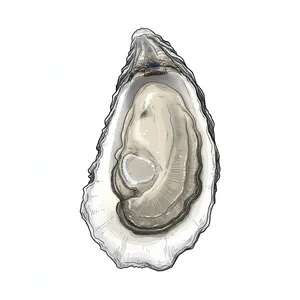
Paramour
US East CoastA mild, refined East Coast oyster cultivated in Narragansett Bay, Rhode Island, with origins from Virginia's Atlantic-facing Parramore Island. Despite full ocean exposure, it delivers a surprisingly gentle brine with firm meat and a clean, fruity finish.
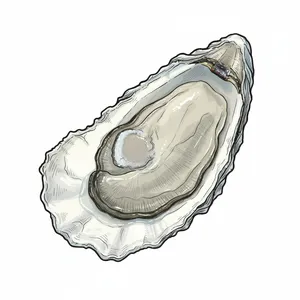
Potomac Whitecap
US East CoastA sweetwater Chesapeake oyster from the Potomac River region. Delicate and sweet with smooth creaminess, medium brine, and a clean finish. Plump meats reflect the freshwater influence of Virginia's Upper Bay Western Shore.
Learn More
The Big Five: A Complete Guide to Commercial Oyster Species
Comprehensive guide to C. virginica (Atlantic), C. gigas (Pacific), C. sikamea (Kumamoto), O. lurida (Olympia), and O. edulis (European Flat)
Read article → Biology & SpeciesThe Atlantic Oyster (C. virginica): From Maritime Brine to Gulf Sweetness
Deep dive into America's indigenous East Coast oyster - flavor profiles, regional variations, and famous varieties
Read article → Merroir & EnvironmentWhat Is Merroir? How Water Shapes Oyster Flavor
Merroir is the marine version of terroir: how salinity, temperature, tides, and plankton in the growing water shape an oyster's flavor. The science, plus how to taste it.
Read article →