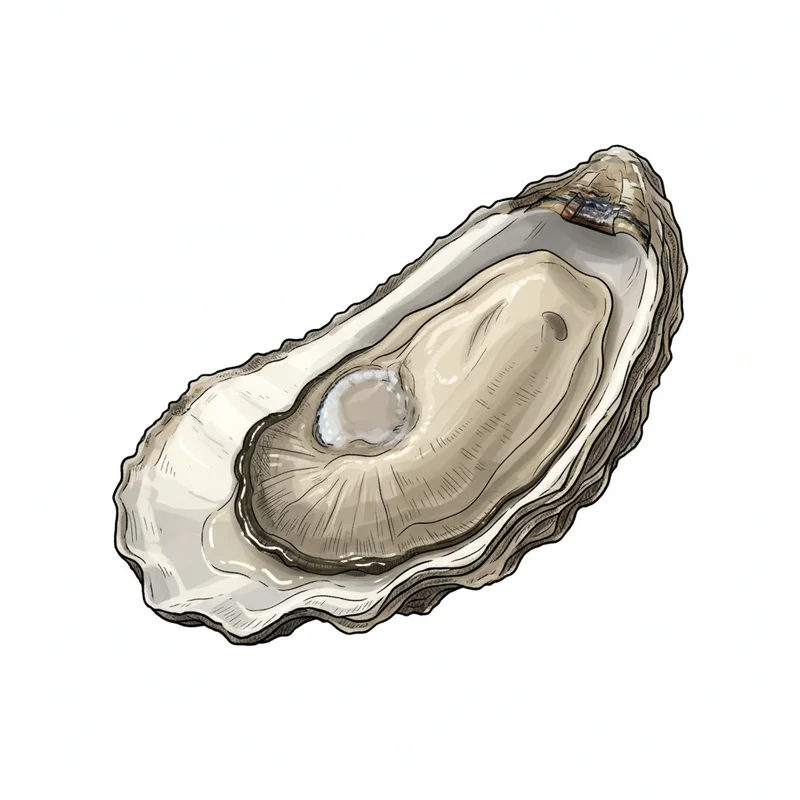
Tatamagouche
Crassostrea virginica
A briny, nutty oyster from Nova Scotia's Northumberland Strait. Farm-raised in Tatamagouche Bay, these medium-to-large oysters deliver rich, salty flavor with a crisp finish. Avoid in summer when spawning.
At a Glance
Tatamagouche is an Eastern oyster (Crassostrea virginica) from the Canada East Coast. It is notably briny (4/5 brininess) and subtly sweet (2/5 sweetness), with briny, nutty, rich flavors and a finish that is clean, crisp, refreshing.
Flavor Profile
Finish
Clean, crisp, refreshing
Expert Notes
Tatamagouche oysters from Nova Scotia's Northumberland Strait deliver an intense briny punch with rich, nutty undertones. These wild and farm-raised oysters often feature elongated, shoehorn-shaped shells and vary in quality—at their best, they offer ivory-colored meat with excellent body and medium-to-high brine. The clean waters of the northern Nova Scotia coast impart a distinctive salty character that transitions to a crisp finish, making these highly sought-after oysters a bold choice for experienced oyster lovers. Origin & Characteristics
- Species
- Crassostrea virginica
- Native to
- USA
- Grown in
- Tatamagouche Bay, Northumberland Strait, Nova Scotia
- Size
- Medium to Large (3-3.75 inches)
- Shell Color
- Sandy, gray-white
- Meat Color
- Ivory to cream
What Experts Say
Across 7 sources, tasters describe this oyster as:
Unique notes: ivory-colored, watery, shoehorn-shaped
"It can also, however, be extremely choice, ivory-colored and nutty, with a lot of body and medium brine."
nuttybrinyivory-colored
"In fact, they are often long, skinny shoehorns, and the meat can be watery and tasteless."
waterytasteless
"Tat's have a rich, salty start with a crisp finish. Great on the half shell plain or with a touch of lemon."
richsaltycrisp
"A salty and rich tasting oyster from the northern coast of Nova Scotia. Similar to a Chedabucto Bay."
saltyrich
"Rich, Salty Start With A Crisp Finish"
richsaltycrisp
"The Tatamagouche oyster is one of the most well known oysters on the market today. Farmed to a nice 3 ¼ to 3 ¾ inch medium choice grade."
About the Farm
Tatamagouche oysters are harvested from Tatamagouche Bay on the northern coast of Nova Scotia, where the name means 'meeting of the waters' in the local Mi'kmaq dialect.
- Cultivation Method
- wild harvest
History & Background
Tatamagouche is a charming fishing village on the Northumberland Straits. The oyster has gained popularity, no doubt aided by its lively and memorable name.
The name 'Tatamagouche' comes from the Mi'kmaq word meaning 'meeting of the waters,' referring to where the French and Waugh rivers meet to form Tatamagouche Bay.
Did You Know?
- Often nicknamed 'Tat's' in the oyster industry
- The oyster name is considered one of the most fun to say among oyster enthusiasts
- Wild oysters often have long, skinny shoehorn-shaped shells
Sources & References
This information was compiled from 7 sources.
- Tatamagouche - The Oyster Guide — oysterguide.com
- Oysters - Cape Cod Shellfish — capecodshell.com
- Tatamagouche - Oysterater — oysterater.com
- Tatamagouche Oyster — chefs-resources.com
- Oyster Descriptions - Fortune Fish & Gourmet — fortunefishco.net
- Oysters, Tatamagouche - Santa Monica Seafood — santamonicaseafood.com
- Superior Foods Oysters — superiorfoods.co
Similar Oysters
Bedeque Bay
Canada East CoastBottom-cultured Atlantic oyster from Salutation Cove in Prince Edward Island. Round, deep-cupped with tender meats, high salinity, and a strong distinctive flavor that stands out among typically mild Maritime oysters.
Gooseberry Bay
Canada East CoastFarm-raised in floating bags in Malpeque Bay, Prince Edward Island. Briny with sweet, nutty astringency, firm plump meats, and abundant rich liquor from the nutrient-rich Cape Shore waters.
Blackberry Point
Canada East CoastCold-water Prince Edward Island oyster from Foxley River and Malpeque Bay. Large, reliably plump and deep-cupped with mild sweetness upfront and a pleasantly lingering medium-high salinity finish. Hand-tongued from small skiffs.
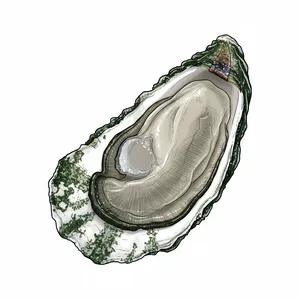
Bras D'or
Canada East CoastWild-harvested Maritime oyster from Cape Breton's Bras D'Or Lakes. Light-bodied with assertive brine, hints of seaweed, and a clean, steely finish. A quintessential Atlantic oyster from pristine Nova Scotia waters.
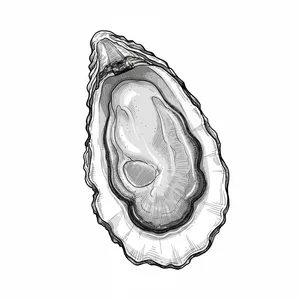
Cape Spear
Canada East CoastA briny Atlantic Canadian oyster from New Brunswick's Northumberland Strait. Meaty and firm with balanced sweetness, mild seaweed notes, and a crisp, steely finish. Cultivated in floating trays.
Learn More
The Big Five: A Complete Guide to Commercial Oyster Species
Comprehensive guide to C. virginica (Atlantic), C. gigas (Pacific), C. sikamea (Kumamoto), O. lurida (Olympia), and O. edulis (European Flat)
Read article → Biology & SpeciesThe Atlantic Oyster (C. virginica): From Maritime Brine to Gulf Sweetness
Deep dive into America's indigenous East Coast oyster - flavor profiles, regional variations, and famous varieties
Read article → Merroir & EnvironmentWhat Is Merroir? How Water Shapes Oyster Flavor
Merroir is the marine version of terroir: how salinity, temperature, tides, and plankton in the growing water shape an oyster's flavor. The science, plus how to taste it.
Read article →