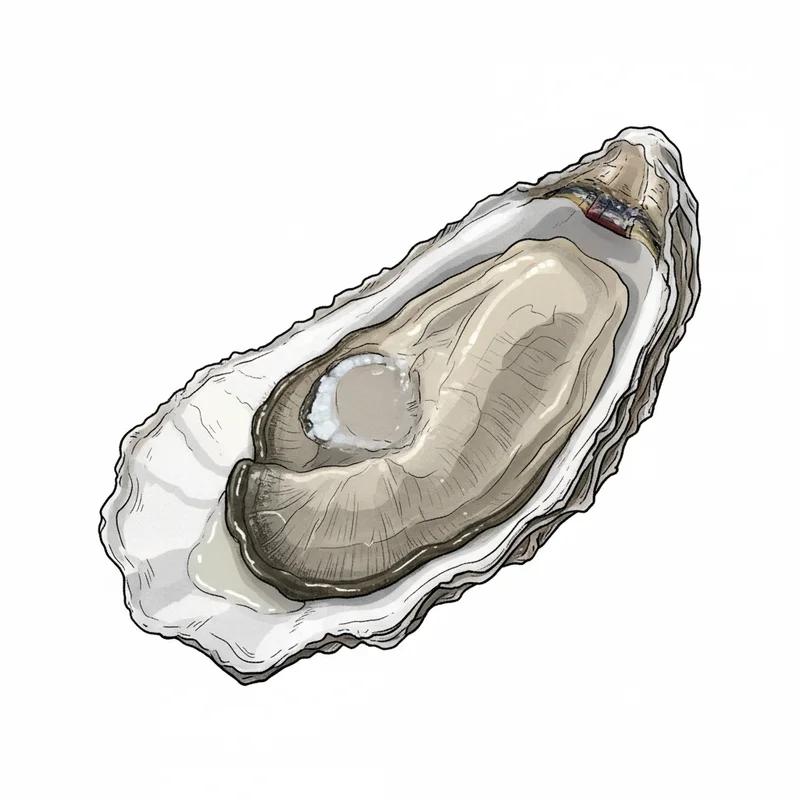
Tresor Du Large
Crassostrea virginica
Raised in deepwater offshore cages around Les Îles-de-la-Madeleine, Quebec. Intensely briny with a sweet, subtle finish. Firm, meaty, and exceptionally clean with consistent quality.
At a Glance
Tresor Du Large is an Eastern oyster (Crassostrea virginica) from the Canada East Coast. It is notably briny (4/5 brininess) and moderately sweet (3/5 sweetness), with briny, sweet, clean flavors and a finish that is sweet, subtle, clean aftertaste. It is considered a beginner-friendly oyster.
Flavor Profile
Finish
Sweet, subtle, clean aftertaste
Expert Notes
Tresor Du Large oysters are raised in deepwater offshore cages in the pristine waters surrounding Les Îles-de-la-Madeleine, Quebec. These oysters are prized for their intense brine balanced with a sweet, subtle finish that makes them approachable yet sophisticated. The meat is notably firm, fleshy, and clean—both inside and out—with a pleasantly chewy texture and hints of grass and seaweed. Highly consistent quality with beautifully presented shells make these a treat for oyster lovers. Origin & Characteristics
- Species
- Crassostrea virginica
- Native to
- North America
- Grown in
- Les Îles-de-la-Madeleine, Quebec
- Size
- Medium to Large (3-4 inches)
- Shell Color
- White with clean appearance
- Meat Color
- Cream to light gray
What Experts Say
Across 4 sources, tasters describe this oyster as:
Unique notes: reduced-chicken-stock, umami, plump
"Rare as pope dung, I enjoy them pretty much every year during the oyster season. I am in Gaspé, which is very close to Iles de Madeleine. They are good as meal openers, during the meal, after the meal. They are a real treat for any oyster lover. Nice and meaty, very very very clean, both out the sheel and inside. If you get offered one of these, try them. They will not dissapoint."
meatyclean
"Had these this week at both Joe Beef and Maestro S.V.P. in Montreal. A real treat, as you NEVER see Quebec oysters outside the province. They have the small, teardrop-shaped brown-and-white shells of their New Brunswick kin, and a great reduced-chicken-stock flavor. The Iles de Madeleine are ultra-remote, pristine, lonely. Nice place to grow oysters."
umamichicken stockclean
"They are rather briny, but with firm meat and clean shell, compare to the ones in New Brunswick."
brinyfirmclean
"Trésor du large oysters are grown in the open sea off the Îles-de-la-Madeleine. They are described as rather fleshy, sweet and salty oysters of excellent quality."
fleshysweetsalty
"Farm raised, deepwater pelagic cages. Features: juicy flesh, plump and salty."
juicyplumpsalty
About the Farm
Grown in off-bottom trays in 60 feet of water off Quebec's isolated Magdalen Islands, way offshore in the middle of the Gulf of St. Lawrence in pristine, ultra-remote waters.
- Cultivation Method
- suspended culture
History & Background
These oysters are cultivated in the isolated and pristine waters surrounding the Magdalen Islands (Îles-de-la-Madeleine) in Quebec, located in the middle of the Gulf of St. Lawrence.
Very rare outside of Quebec province. Highly prized in Montreal restaurants such as Joe Beef and Maestro S.V.P. Popular during oyster season in Quebec and the Gaspé region.
Did You Know?
- Described as 'rare as pope dung' by enthusiasts due to their limited availability outside Quebec
- Grown in deepwater pelagic cages at 60 feet depth in the open ocean
- Share the small, teardrop-shaped brown-and-white shells characteristic of Maritime Canadian oysters
Sources & References
This information was compiled from 4 sources.
- Tresor du Large Oyster — OysteRater
- Îles-de-la-Madeleine Trésor du large Cocktail Oysters — Super C
- Trésor du large Cocktail Oysters, Îles-de-la-Madeleine — Metro
- OysterFinder - The Oyster Guide — Oyster Guide
Similar Oysters
Little Shemogue
Canada East CoastA premium cultured oyster from Southeast New Brunswick's Tormentine Peninsula. Small and plump with medium-high brininess, mineral richness, and a clean, sweet finish. Fresh biscuit aroma makes it an ideal starter oyster.
French Kiss
Canada East CoastA larger, mature Beausoleil from Miramichi Bay, New Brunswick. Full and plump with sharp brininess, clean taste, and a sweet finish. Hand-packed with exceptional attention to detail.
Gooseberry Bay
Canada East CoastFarm-raised in floating bags in Malpeque Bay, Prince Edward Island. Briny with sweet, nutty astringency, firm plump meats, and abundant rich liquor from the nutrient-rich Cape Shore waters.
Hurricane Island
Canada East CoastHand-harvested from the cold, clean waters of Nova Scotia's Northumberland Strait. Small to medium oysters with intense brininess, firm crisp texture, and a notably sweet finish.
Pickle Point
Canada East CoastRare, aged PEI oyster from the makers of Raspberry Point. Seven years at harvest creates exceptional density and plumpness. Firm and intensely briny with creamy texture and subtle sweet finish. A collector's oyster.
Learn More
The Big Five: A Complete Guide to Commercial Oyster Species
Comprehensive guide to C. virginica (Atlantic), C. gigas (Pacific), C. sikamea (Kumamoto), O. lurida (Olympia), and O. edulis (European Flat)
Read article → Biology & SpeciesThe Atlantic Oyster (C. virginica): From Maritime Brine to Gulf Sweetness
Deep dive into America's indigenous East Coast oyster - flavor profiles, regional variations, and famous varieties
Read article → Merroir & EnvironmentWhat Is Merroir? How Water Shapes Oyster Flavor
Merroir is the marine version of terroir: how salinity, temperature, tides, and plankton in the growing water shape an oyster's flavor. The science, plus how to taste it.
Read article →