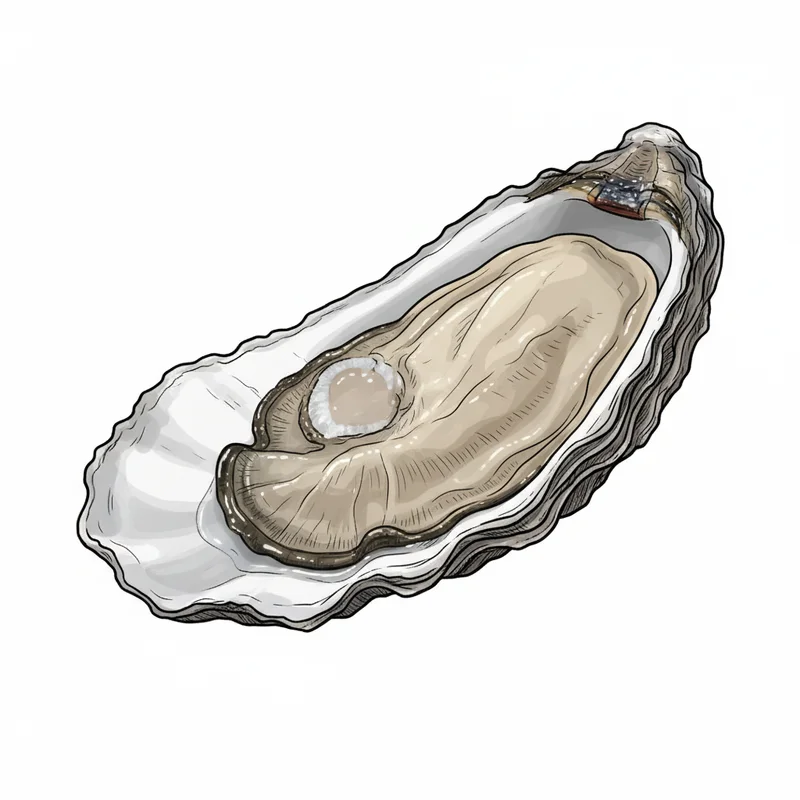
Onset
Crassostrea virginica
Bold Cape Cod oyster from Onset, Massachusetts. Intensely briny with strong vegetal seaweed notes and firm, meaty texture. Grown at Fisherman's Cove with access to massive water flow and nutrients.
At a Glance
Onset is an Eastern oyster (Crassostrea virginica) from the US East Coast. It is intensely briny (5/5 brininess) and barely sweet (1/5 sweetness), with briny, vegetal flavors and a finish that is long, salty, strong vegetal seaweed notes.
Flavor Profile
Finish
Long, salty, strong vegetal seaweed notes
Expert Notes
Onset oysters deliver a full-on Cape Cod experience with an unapologetically briny profile. Meaty and full throughout with a firm texture and good bite, these oysters hit you with a huge blast of salty ocean water from beginning to end. Unlike sweeter East Coast varieties, the brine is followed by strong vegetal seaweed flavors that are bold and distinctive. Grown in the nutrient-rich waters at the edge of Fisherman's Cove canal, they benefit from massive water flow and abundant algae. Origin & Characteristics
- Species
- Crassostrea virginica
- Native to
- USA
- Grown in
- Fisherman's Cove, Onset, Massachusetts
- Size
- Small to Medium (2.5-3 inches)
- Shell Color
- Gray-white
- Meat Color
- Cream
What Experts Say
Across 5 sources, tasters describe this oyster as:
Unique notes: earthy, robust, smooth finish
"These are a full-on Cape oyster experience! Meaty and full throughout, they have a firm texture and a good bite with a huge blast of salty water from beginning to end. Unlike most of our oysters, these aren't cushioned by sweet flavors–after the brine, they've got a strong vegetal seaweed flavor that definitely isn't shy."
meatyfirmbrinysaltyvegetal
"They are medium to large in size and have an extremely plump meat with lots of liquor. The flavor is salty, yet the finish is sweet and reminiscent of fresh seaweed."
plumphigh liquorsaltysweetseaweed
"A truly wild oyster with a robust flavor you don't find in cultivated oysters. VERY earthy and rich. The meats fooled me, because they looked thin and gray, but the flavor was all there. And the shells are so pretty."
robustearthyrich
"Heavier on the brine but extremely meaty and very smooth finish. Delicious oyster."
brinymeatysmooth
"Makes me want linguine and some white wine – not that I would actually use these oysters to make pasta sauce (I guess if I had an unlimited supply I would), but they've got a full taste that's the half-shell equivalent of a seafood pasta dish."
fullseafood
"the fresh softness of the Onset"
freshsoft
About the Farm
Onset Oyster Corporation
Est. 2004Founded in 2004 by Bob Tourigny, previously a wild commercial quahogger, and Dennis Pittsley, who had been farming shellfish for decades. They were the first non-Island Creek oysters ever sold by Island Creek Oysters.
- Cultivation Method
- bottom culture
History & Background
Oysters were first farmed in Onset Bay over 136 years ago. Working from the sloop Ida Lee, local oystermen would cultivate young oysters by placing old shells (cultch) at the entrance of Onset Bay for wild spat to settle on, then later move them to deeper waters for grow-out.
The farmers like to eat them raw but think they go particularly well with a couple of PBR's. Known as the farmed equivalent to the wild Wareham oyster.
Did You Know?
- Dennis broke his leg while harvesting and Island Creek Oysters was his first call…even before the ambulance
- First non-Island Creek oysters ever sold by Island Creek Oysters
- Product is spread over 23 acres at the edge of the canal on Fisherman's Cove
Sources & References
This information was compiled from 5 sources.
- Peter's Point Oysters from Onset, MA — Island Creek Oysters
- Oysters - East Coast - Crassostrea virginica | Onset — Fortune Fish & Gourmet
- Onset (wild) Oyster — Oysterater
- To Eat Oysters Better, Treat Them Like Wine — The New York Times
- Washburn Island Oysters — Cape Oysters
Similar Oysters
Chincoteague
US East CoastThe aristocrat of American oysters. Intensely briny and ocean-forward, with firm, full meat and a remarkably clean finish.
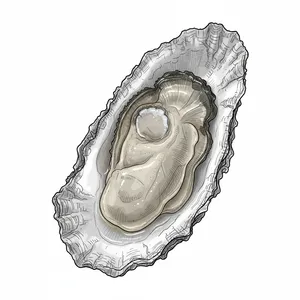
Sewansecott
US East CoastHistoric Virginia oyster farmed since the 1800s in Hog Island Bay. Large, profoundly briny with oceanic intensity, balanced by subtle umami and sweet finish. Grown by the century-old Terry family in pristine Eastern Shore waters.
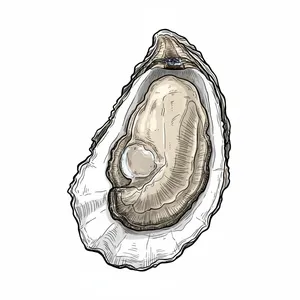
Cuttyhunk
US East CoastIsland oyster from Cuttyhunk's pristine West End Pond off Massachusetts. Intensely briny with a sweet, buttery finish. Grown in isolation with no river influence, these tender oysters showcase bold salinity balanced by distinctive sweetness.
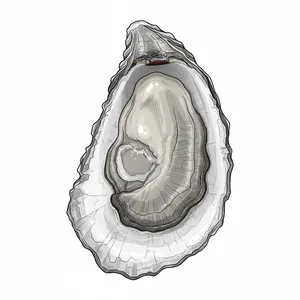
First Light
US East CoastFarmed by the Mashpee Wampanoag Tribe in Wellfleet Harbor, Massachusetts. Bold and briny with bright umami seaweed notes and a buttery finish. Named for 'People of the First Light.'
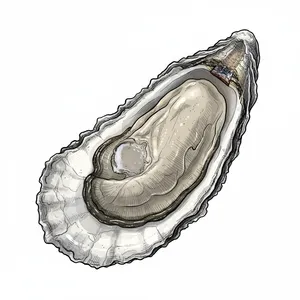
Lambertini
US East CoastOne of the most famous oysters from Long Island. Large and robust with heavy, gnarly shells. Intensely briny and metallic with a bold, wild character. Not for beginners—these are big, strong, and unapologetically uncouth.
Learn More
The Big Five: A Complete Guide to Commercial Oyster Species
Comprehensive guide to C. virginica (Atlantic), C. gigas (Pacific), C. sikamea (Kumamoto), O. lurida (Olympia), and O. edulis (European Flat)
Read article → Biology & SpeciesThe Atlantic Oyster (C. virginica): From Maritime Brine to Gulf Sweetness
Deep dive into America's indigenous East Coast oyster - flavor profiles, regional variations, and famous varieties
Read article → Merroir & EnvironmentWhat Is Merroir? How Water Shapes Oyster Flavor
Merroir is the marine version of terroir: how salinity, temperature, tides, and plankton in the growing water shape an oyster's flavor. The science, plus how to taste it.
Read article →