Best West Coast Oysters
West Coast oysters offer a different personality from their Atlantic cousins. Grown along the Pacific seaboard, many are Pacific oysters with deeply fluted, ruffled shells and plump, sweet meats that often carry distinctive cucumber, melon, or even faintly fruity notes alongside a gentler brininess. The cold, nutrient-rich waters of the Pacific Northwest in particular produce oysters that taste crisp and refreshing, which is part of why they have such a devoted following. The varieties below all come from the U.S. West Coast in our dataset, ranked alphabetically so you can browse easily. If you have mostly eaten briny Atlantic oysters, these are a revelation: sweeter, fuller, and more aromatic, they often win over people who thought they did not like oysters at all. Try them plain to appreciate the sweetness, then add a light mignonette if you want a touch of acidity to balance the richness.
Top picks
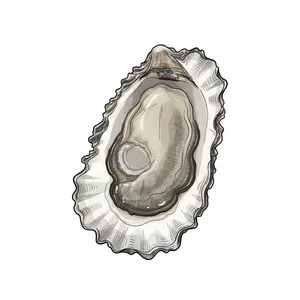
Bald Point
US West CoastSmall, beach-cultured Pacific oyster from Hood Canal, Washington. Low brininess with a sweet, delicate flavor and distinctive musky finish. Hardy shells from intertidal cultivation.
Sweet, mild brine flavors from US West Coast (brininess 2/5). Finish: mild, clean, musky finish with subtle lettuce-like notes.
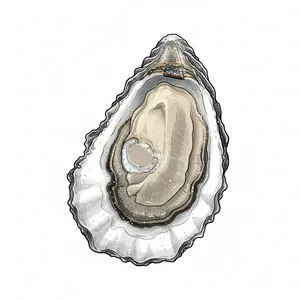
Barron Point
US West CoastHand-sized Pacific oyster from Little Skookum Inlet in southern Puget Sound. Sweet and mildly salty with plump, tender meat and a distinctive musky finish. A well-balanced West Coast favorite.
Sweet, mild brine flavors from US West Coast (brininess 2/5). Finish: musky, mildly salty finish.
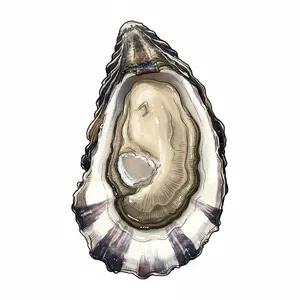
Baywater Sweet
US West CoastBoutique Pacific oyster from Thorndyke Bay in Hood Canal, Washington. Deep-cupped with exceptionally sweet flavor balanced by high brininess and a rich umami finish. Tumbled in tides, producing strong shells and full meat.
Sweet, briny flavors from US West Coast (brininess 4/5). Finish: sweet-salty with rich umami finish.
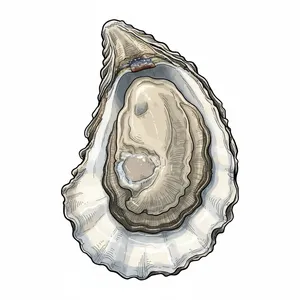
Blue Pool
US West CoastTumbled Pacific oyster from Hood Canal's Hamma Hama River. Deep-cupped with smooth shells, featuring a creamy, crunchy texture and complex flavor profile of cucumber, crisp brine, and a distinctive sweet-vegetal finish.
Briny, cucumber, vegetal flavors from US West Coast (brininess 4/5). Finish: sweet and vegetal with crisp lettuce or carrot notes.
Bodega Bay Atlantic
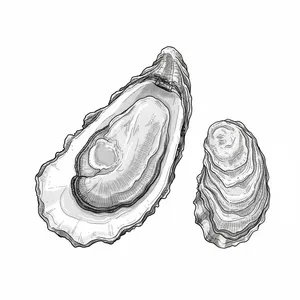
US West CoastAtlantic oysters grown in Bodega Bay, California. Known for robust, gnarly shells and intensely briny, metallic flavor with a creamy texture and sweet finish. A bold West Coast take on the Eastern species.
Briny, metallic, sweet flavors from US West Coast (brininess 4/5). Finish: strong, briny, sweet aftertaste.
Bodega Bay Kumamoto
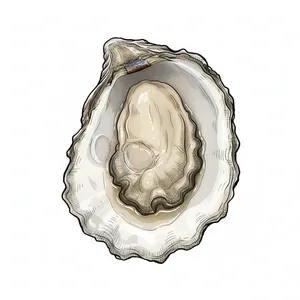
US West CoastA petite, deep-cupped Kumamoto oyster from California's Bodega Bay. Delicately sweet with fruity, honeydew melon notes and mild brininess. Perfect for beginners and connoisseurs alike.
Sweet, fruity, melon flavors from US West Coast with a mild profile (brininess 2/5). Finish: honeydew melon, fruity, lingering sweetness.
Calm Cove
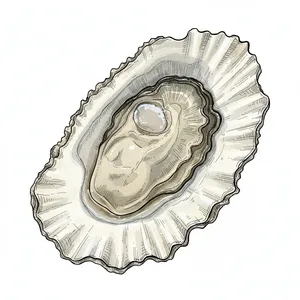
US West CoastBeach-grown Pacific oyster from Washington's Totten Inlet and Hood Canal. Sweet and creamy with balanced brininess and a clean mineral finish. Cultivated by the Fagergren Family since 1946 in the nutrient-rich waters of South Puget Sound.
Sweet, briny, creamy flavors from US West Coast (brininess 3/5). Finish: mineral, clean, lingering.
Carlsbad Blonde
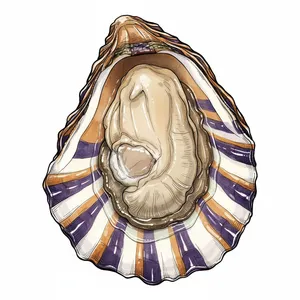
US West CoastSouthern California's signature oyster from Carlsbad's Agua Hedionda Lagoon. Grown in suspended culture with distinctive glassy, striped shells. Strongly briny with refreshing melon and cucumber notes, balanced between briny and sweet.
Briny, melon, cucumber flavors from US West Coast (brininess 4/5). Finish: refreshing, delicate briny with subtle metallic notes.
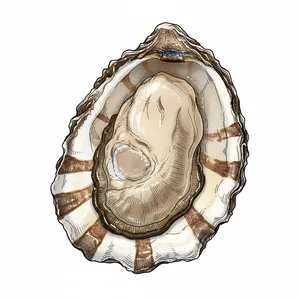
Chelsea Gem
US West CoastThe original tide-tumbled oyster from Eld Inlet's pristine waters. Deep-cupped with plump meats, mild brininess, silky creamy texture, and a signature sweet cucumber finish. A true Pacific Northwest gem.
Sweet, cucumber, creamy flavors from US West Coast with a mild profile (brininess 2/5). Finish: sweet mineral cucumber finish with warm brine.
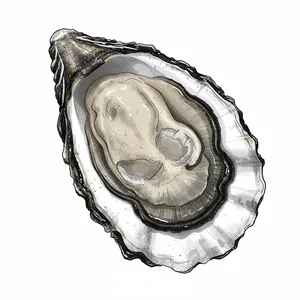
Cold Creek
US West CoastCultivated Pacific oyster from Southern Puget Sound with plump, sweet meat and midsized white-and-black shells. Balanced brininess with a distinctive salty-melon finish reminiscent of a New England clambake.
Sweet, briny, melon flavors from US West Coast (brininess 3/5). Finish: salty-melon with a delicate sweetness.
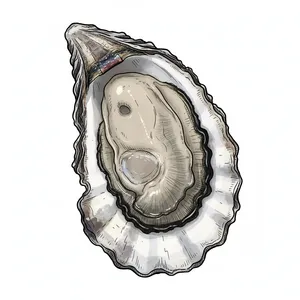
Dabob Bay
US West CoastIntertidal beach-grown Pacific oyster from the pristine waters of Hood Canal's Dabob Bay. Light and crisp with pronounced brininess from slow growth in cold, nutrient-limited waters. Firm meat with a clean, sweet finish.
Briny, clean, crisp flavors from US West Coast (brininess 4/5). Finish: clean, steely, slightly sweet aftertaste.
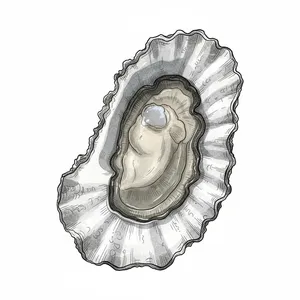
Deer Creek
US West CoastIntertidal beach-cultivated Pacific oyster from South Hood Canal, Washington. Deep-cupped with full meats, crisp brininess, and a distinctive sweet melon finish with mild mineral notes.
Briny, sweet melon flavors from US West Coast (brininess 4/5). Finish: clean with mild mineral and sweet melon notes.
Frequently Asked Questions
What defines a West Coast oyster?
West Coast oysters are grown along the U.S. Pacific seaboard and are often Pacific oysters with fluted shells and plump, sweet meats. They tend to be milder and sweeter than briny Atlantic oysters, frequently with cucumber or melon notes.
Are West Coast oysters good for people who think they dislike oysters?
Often, yes. Their sweeter, fuller, more aromatic profile and gentler brininess win over many people who found briny East Coast oysters too intense.
How should I serve West Coast oysters?
Try them plain first to appreciate their natural sweetness, then add a light mignonette or a squeeze of lemon if you want a little acidity to balance their richness.