Best Sweet Oysters
Not every oyster tastes like the open ocean. Many lean sweet, mild, and refreshing, with delicate notes of melon or cool cucumber that make them feel almost like a palate cleanser. The varieties below all carry one or more of those sweeter flavor cues in our tasting data, and they are ranked from the lowest brininess upward so the sweetness comes through clearly without a wall of salt competing against it. Sweet oysters are wonderful for people who find heavily briny varieties overwhelming, and they pair beautifully with crisp white wine or a dry sparkling. Try them plain first to catch the natural sugars on the finish, then experiment with a light mignonette if you like a little acidity. Whether you are easing into oysters or simply prefer a gentler, more rounded flavor, this list is a reliable place to start.
Top picks
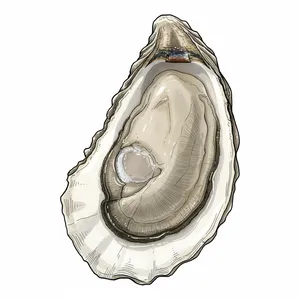
Dragon Creek
US East CoastA mild, sweet Chesapeake Bay oyster from Virginia's Nomini Creek. Large and plump with creamy shells, minimal brininess, and a clean watermelon finish. Perfect for beginners seeking classic Chesapeake character.
Mild brine, sweet flavors from US East Coast (brininess 1/5). Finish: sweet, clean, watermelon finish.
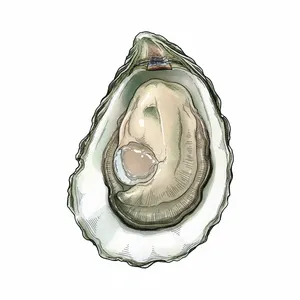
Hog Island Kumamoto
US West CoastExceptionally sweet Kumamoto from Humboldt and Tomales Bay. Tiny, deep-cupped oysters with creamy texture and honeydew-watermelon flavors. Virtually no brininess makes them perfect for beginners.
Sweet, melon, creamy flavors from US West Coast with a mild profile (brininess 1/5). Finish: sweet honeydew with creamy watermelon notes.
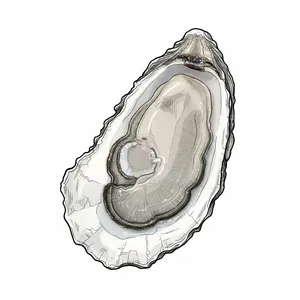
38 Degrees North
US East CoastA balanced Chesapeake Bay oyster. Mild, slightly sweet with refined brine and a clean finish. Firm and meaty from floating cage cultivation.
Sweet, mild brine flavors from US East Coast (brininess 2/5). Finish: clean, refreshing, refined.
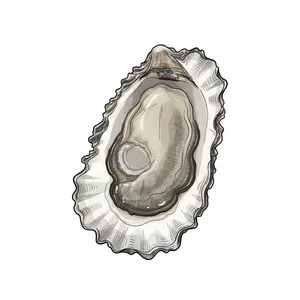
Bald Point
US West CoastSmall, beach-cultured Pacific oyster from Hood Canal, Washington. Low brininess with a sweet, delicate flavor and distinctive musky finish. Hardy shells from intertidal cultivation.
Sweet, mild brine flavors from US West Coast (brininess 2/5). Finish: mild, clean, musky finish with subtle lettuce-like notes.
Barron Point
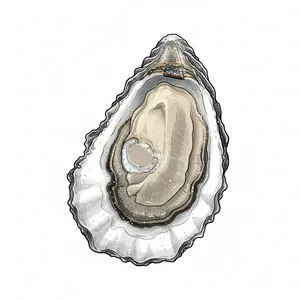
US West CoastHand-sized Pacific oyster from Little Skookum Inlet in southern Puget Sound. Sweet and mildly salty with plump, tender meat and a distinctive musky finish. A well-balanced West Coast favorite.
Sweet, mild brine flavors from US West Coast (brininess 2/5). Finish: musky, mildly salty finish.
Beach Point
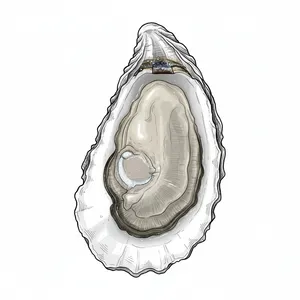
US East CoastA boutique oyster from Barnstable Harbor, Cape Cod. Meaty and plump with light brininess, bright sweet cream flavor, and a crisp finish. Only 30,000 raised annually with meticulous care.
Sweet, light brine, cream flavors from US East Coast (brininess 2/5). Finish: sweet cream with a crisp, bright finish.
Beausoleil
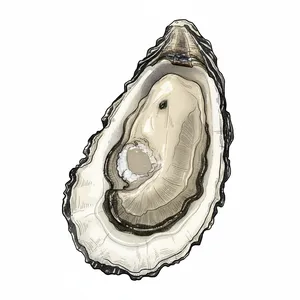
Canada East CoastThe perfect starter oyster from New Brunswick's Miramichi Bay. Small, refined, and elegantly mild with yeasty notes, subtle hazelnut sweetness, and a creamy texture. Farmed in floating trays that ensure pristine, uniform shells.
Mild brine, sweet, yeasty flavors from Canada East Coast (brininess 2/5). Finish: clean, bright, refined with subtle slate notes.
Black Pearl
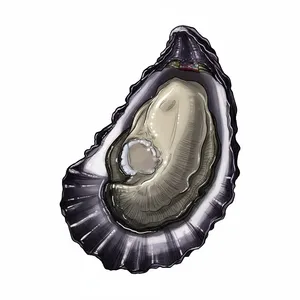
Canada West CoastSmall Pacific oyster with distinctive smooth, dark purple-black shells. Tumbled cultivation produces delicate, deep-cupped shells with mild, buttery meat and a clean nori finish.
Mild, buttery flavors from Canada West Coast with a mild profile (brininess 2/5). Finish: metallic, clean with buttery nori notes.
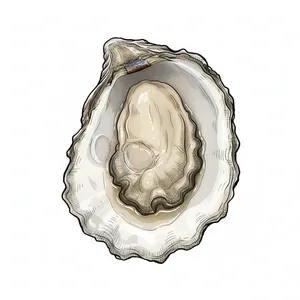
Bodega Bay Kumamoto
US West CoastA petite, deep-cupped Kumamoto oyster from California's Bodega Bay. Delicately sweet with fruity, honeydew melon notes and mild brininess. Perfect for beginners and connoisseurs alike.
Sweet, fruity, melon flavors from US West Coast with a mild profile (brininess 2/5). Finish: honeydew melon, fruity, lingering sweetness.
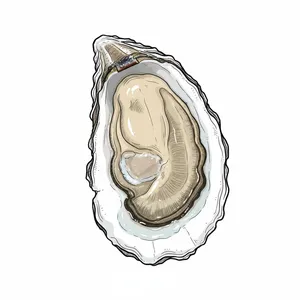
Bogues Bay
US East CoastThe first commercial Suminoe oyster from Chincoteague Inlet, Virginia. Features a pretty white shell, firm meat, and mild, sweet flavor that provides a good impersonation of the native Chesapeake virginica.
Mild, sweet flavors from US East Coast with a mild profile (brininess 2/5). Finish: mild, clean, subtle.
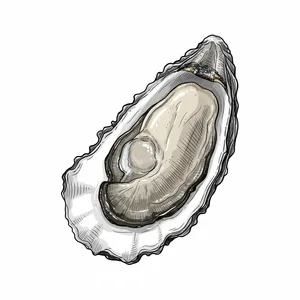
Caraquet
Canada East CoastA delicate wild-harvested oyster from New Brunswick's legendary Caraquet Bay. Small and slow-grown over four years, with subtle brine, mineral notes, and a refined clean finish that makes it the perfect accessible oyster.
Delicate, mild brine flavors from Canada East Coast (brininess 2/5). Finish: clean, salty, refined.
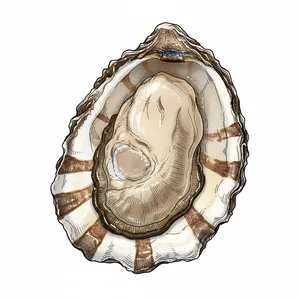
Chelsea Gem
US West CoastThe original tide-tumbled oyster from Eld Inlet's pristine waters. Deep-cupped with plump meats, mild brininess, silky creamy texture, and a signature sweet cucumber finish. A true Pacific Northwest gem.
Sweet, cucumber, creamy flavors from US West Coast with a mild profile (brininess 2/5). Finish: sweet mineral cucumber finish with warm brine.
Frequently Asked Questions
What makes an oyster taste sweet?
Sweetness in oysters comes from natural sugars and a lower-salt profile, often accompanied by mild, melon, or cucumber notes. These oysters taste rounded and refreshing rather than sharply briny.
Are sweet oysters good for beginners?
Yes. Because they are milder and less salty, sweet oysters are often a comfortable entry point for people new to eating oysters on the half shell.
What pairs well with sweet oysters?
Crisp white wine or dry sparkling wine complements sweet oysters nicely. Try them plain first to catch the natural sweetness, then add a light mignonette or lemon if you prefer some acidity.