Best Creamy Oysters
If your idea of a perfect oyster is rich and luscious rather than lean and salty, this is your list. The varieties below are flagged in our tasting data as creamy or buttery, or they score high on our creaminess rating, giving every bite a satisfying, full-bodied weight. Creamy oysters tend to coat the palate, with a smooth, almost dairy-like roundness that softens whatever brininess sits underneath. They are a treat on the half shell, but their fuller texture also stands up beautifully to broiling, grilling, or a classic Rockefeller treatment if you want to cook them. To get the most out of one, let it sit on your tongue for a moment before chewing so the creaminess has time to bloom. Pair with a buttery Chardonnay or a rich stout, and you have a combination that leans into the indulgence rather than fighting it.
Top picks
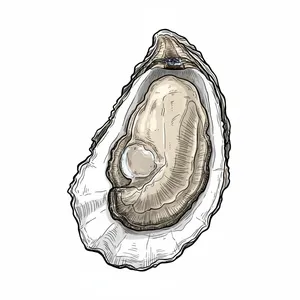
Cuttyhunk
US East CoastIsland oyster from Cuttyhunk's pristine West End Pond off Massachusetts. Intensely briny with a sweet, buttery finish. Grown in isolation with no river influence, these tender oysters showcase bold salinity balanced by distinctive sweetness.
Briny, sweet, buttery flavors from US East Coast (brininess 5/5). Finish: sweet, buttery, like salted butter.
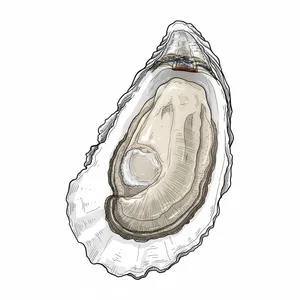
Katama Bay
US East CoastLarge, deeply-cupped Martha's Vineyard oyster famous for its intense brine and sweet-candy finish. Grown in strong Katama Bay currents, these salt bombs deliver smooth creaminess and are considered among New England's finest.
Briny, sweet flavors from US East Coast (brininess 5/5). Finish: sweet as candy, smooth, memorable.
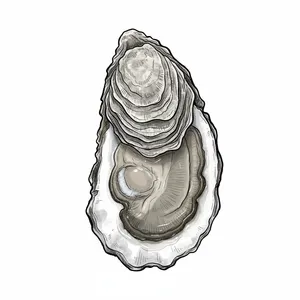
Rome Point
US East CoastA powerful, full-strength oyster from Rhode Island's Narragansett Bay. Intensely briny and mineral-rich with a luxurious buttery, umami finish. Grown in oceanic conditions using rack and bag methods with tumbling.
Briny, mineral, buttery flavors from US East Coast (brininess 5/5). Finish: creamy umami with buttery notes.
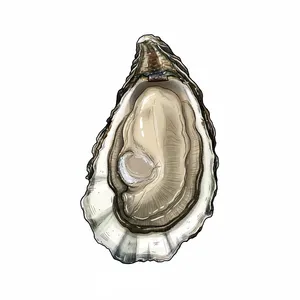
Salt Pond Select
US East CoastBottom-cultured heavyweight from Point Judith Pond, Rhode Island. Large, intensely briny oysters with pronounced metallic and mineral notes, creamy plump meats, and a concentrated tidepool flavor that demands an experienced palate.
Intense brine, mineral, metallic flavors from US East Coast (brininess 5/5). Finish: concentrated tidepool brine, pronounced mineral.
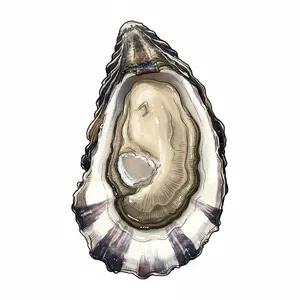
Baywater Sweet
US West CoastBoutique Pacific oyster from Thorndyke Bay in Hood Canal, Washington. Deep-cupped with exceptionally sweet flavor balanced by high brininess and a rich umami finish. Tumbled in tides, producing strong shells and full meat.
Sweet, briny flavors from US West Coast (brininess 4/5). Finish: sweet-salty with rich umami finish.
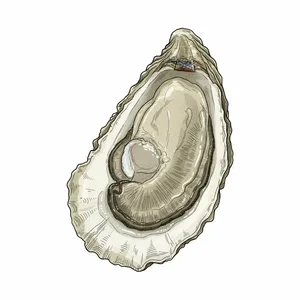
Beavertail
US East CoastLarge, deeply cupped oyster from Rhode Island's Narragansett Bay with a distinctive beaver tail shape. Bold and briny with buttery sweetness, grown in deep suspended trays that capture pure ocean flavor.
Briny, bold, buttery flavors from US East Coast (brininess 4/5). Finish: bold, buttery, and clean.
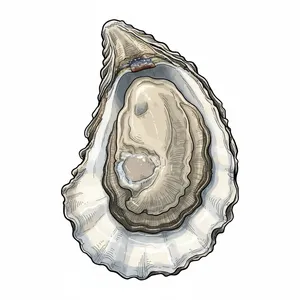
Blue Pool
US West CoastTumbled Pacific oyster from Hood Canal's Hamma Hama River. Deep-cupped with smooth shells, featuring a creamy, crunchy texture and complex flavor profile of cucumber, crisp brine, and a distinctive sweet-vegetal finish.
Briny, cucumber, vegetal flavors from US West Coast (brininess 4/5). Finish: sweet and vegetal with crisp lettuce or carrot notes.
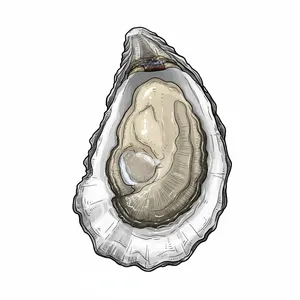
Bluffton
US East CoastWild-harvested from South Carolina's May River near Bluffton. Intensely briny with powerful umami character and silky texture. Among the best southern oysters, showcasing the exceptional quality of the Lowcountry's pristine ACE Basin.
Briny, umami flavors from US East Coast (brininess 4/5). Finish: strong, lingering, oceanic.
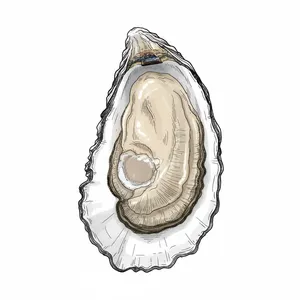
Cape May Salt
US East CoastA stalwart mid-Atlantic oyster from Delaware Bay, New Jersey. Briny and sweet with exceptionally plump, creamy meat from rack and bag cultivation near Cape May's salty waters.
Briny, sweet flavors from US East Coast (brininess 4/5). Finish: sweet, rich, memorable.
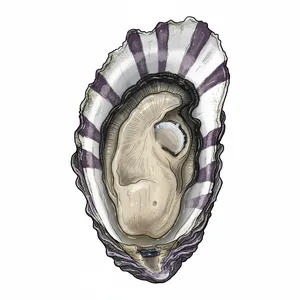
Chef's Creek
Canada West CoastA quintessential British Columbia oyster from Baynes Sound. Tray-suspended for 12-18 months, developing deep cups and full meats. High brininess with creamy texture, finishing sweet with hints of melon and lettuce.
Briny, sweet, creamy flavors from Canada West Coast (brininess 4/5). Finish: sweet with a hint of lettuce, crisp and clean.
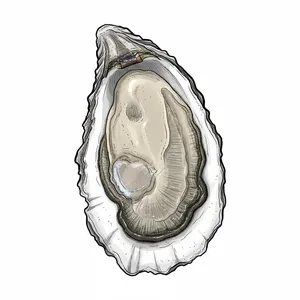
Church Point
US East CoastA large Virginia oyster from the James River and Chesapeake Bay. Known for bold brininess, rich creamy texture, and subtle sweetness with a savory lingering finish that exemplifies classic Virginia Bay character.
Briny, rich flavors from US East Coast (brininess 4/5). Finish: savory, lingering with subtle sweetness.
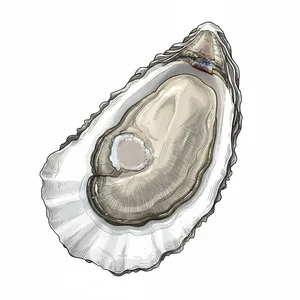
Drakes Bay
US West CoastHistoric Pacific oyster from Drake's Estero in Point Reyes National Seashore. Intensely briny with earthy, mushroomy notes and bitter herb finish. Bottom cage cultured in pristine waters until farm closure in 2012.
Briny, earthy, bitter herb flavors from US West Coast (brininess 4/5). Finish: strong, earthy, with lingering bitterness.
Frequently Asked Questions
What gives an oyster a creamy texture?
Creaminess comes from a fuller, plumper meat and buttery flavor notes that coat the palate. These oysters feel rich and rounded, with a smooth texture that softens any underlying brininess.
Can I cook creamy oysters?
Yes. Their fuller texture holds up well to broiling, grilling, or preparations like oysters Rockefeller, though they are also excellent raw on the half shell.
What drinks pair with creamy oysters?
A buttery Chardonnay or a rich stout complements the indulgent texture of creamy oysters, leaning into their roundness rather than cutting against it.