Best Briny Oysters
Some people chase the oyster equivalent of a wave breaking over the bow: a clean, bracing hit of salt and seawater. The varieties below are the boldest on our brininess scale, ranked from the saltiest downward, so the most sea-forward picks sit right at the top. These oysters tend to come from cold, high-salinity waters, and they reward you with that unmistakable mineral, briny snap before any sweeter or creamier notes settle in on the finish. They are fantastic on the half shell with nothing more than their own liquor, though a few drops of lemon or a sharp mignonette can play nicely against the salt. If you already know you love that mouthful-of-the-ocean character, start at the top of this list. If you are still building your tolerance for salt, work upward from the milder end and treat these as a destination rather than a starting point.
Top picks
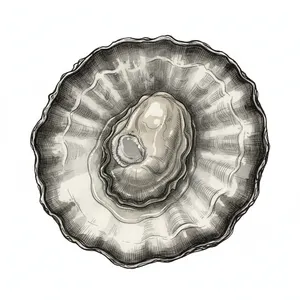
Belon (France)
FranceThe legendary European flat oyster from Brittany's Belon River. Intensely metallic with a distinctive coppery taste from high iron content. Bold, brassy, and powerful—considered the Cadillac of oysters by connoisseurs.
Metallic, briny, mineral flavors from France (brininess 5/5). Finish: intense, long-lasting, brassy, powerful.
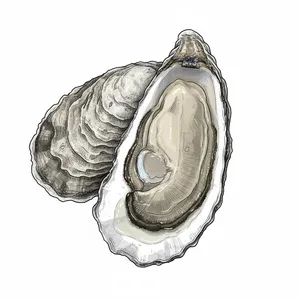
Cape North
Canada East CoastFarm-raised oyster from Aspy Bay at the northern tip of Cape Breton Island, Nova Scotia. Exceptionally briny and meaty with intense oceanic flavor, bright minerality, and a crisp, sweet finish from pristine Atlantic waters.
Briny, oceanic flavors from Canada East Coast (brininess 5/5). Finish: crisp, sweet, lingering mineral.
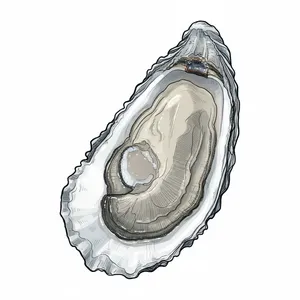
Capers Blades
US East CoastWild-harvested blade oysters from Capers Island, South Carolina. Hand-selected by Clammer Dave from natural reefs, delivering clean, sweet meat with intensely briny, tongue-curling salty liquor and a robust, metallic finish.
Briny, sweet, clean flavors from US East Coast (brininess 5/5). Finish: intense, salty, lingering.
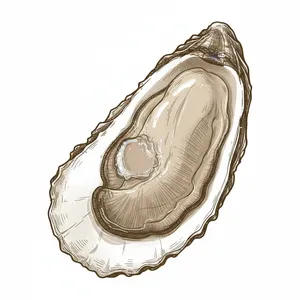
Chatham
US East CoastAn intensely briny Cape Cod oyster from Oyster Pond in Chatham, Massachusetts. Deep-cupped with firm meat and a powerful 'slap you in the face' salinity balanced by lingering sweetness and crystal-clear flavor.
Briny, sweet flavors from US East Coast (brininess 5/5). Finish: lingering sweetness, mild mineral, no aftertaste.
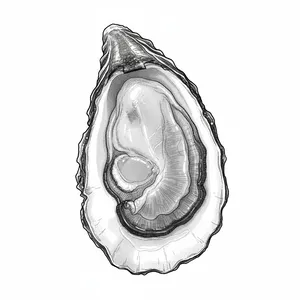
Chincoteague
US East CoastThe aristocrat of American oysters. Intensely briny and ocean-forward, with firm, full meat and a remarkably clean finish.
Briny, salty, clean flavors from US East Coast (brininess 5/5). Finish: bold, clean, smooth follow-through.
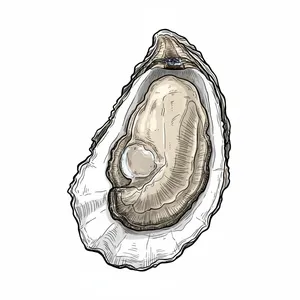
Cuttyhunk
US East CoastIsland oyster from Cuttyhunk's pristine West End Pond off Massachusetts. Intensely briny with a sweet, buttery finish. Grown in isolation with no river influence, these tender oysters showcase bold salinity balanced by distinctive sweetness.
Briny, sweet, buttery flavors from US East Coast (brininess 5/5). Finish: sweet, buttery, like salted butter.
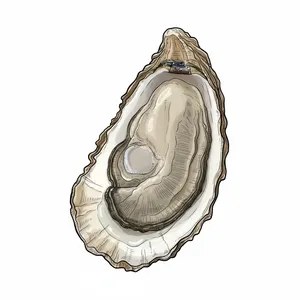
Gay Island
US East CoastGenetically unique Maine oyster grown in the open ocean near Cushing Harbor. Intensely briny with a bracing North Atlantic flavor, balanced by sweet notes and a touch of sugar. Pale tan shells layered like phyllo.
Intense brine, sweet, clean flavors from US East Coast (brininess 5/5). Finish: clean, crisp, bracing North Atlantic character.
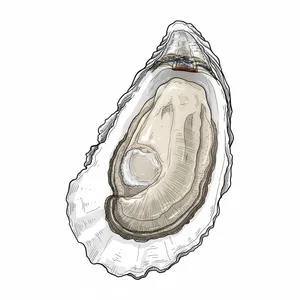
Katama Bay
US East CoastLarge, deeply-cupped Martha's Vineyard oyster famous for its intense brine and sweet-candy finish. Grown in strong Katama Bay currents, these salt bombs deliver smooth creaminess and are considered among New England's finest.
Briny, sweet flavors from US East Coast (brininess 5/5). Finish: sweet as candy, smooth, memorable.
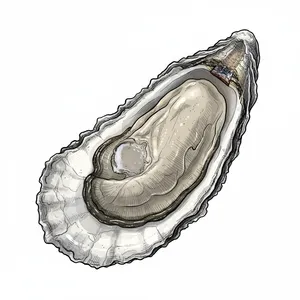
Lambertini
US East CoastOne of the most famous oysters from Long Island. Large and robust with heavy, gnarly shells. Intensely briny and metallic with a bold, wild character. Not for beginners—these are big, strong, and unapologetically uncouth.
Briny, metallic, robust flavors from US East Coast (brininess 5/5). Finish: strong, metallic, lingering brine.
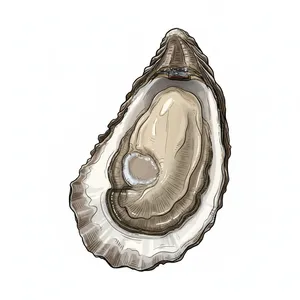
Malpeque
Canada East CoastCanadian icon. Bright salinity, plump meat, crisp and clean.
Briny, crisp flavors from Canada East Coast (brininess 5/5). Finish: sharp, lingering brine.
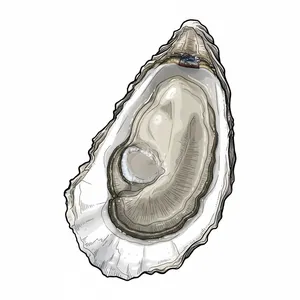
Olde Salt
US East CoastRack and bag cultured oyster from Chincoteague Bay, Virginia. Bold, intensely briny with the truest taste of the ocean, thanks to direct Atlantic water influx. Smooth, clean finish despite high salinity.
Briny, bold, ocean-forward flavors from US East Coast (brininess 5/5). Finish: smooth, clean follow-through.
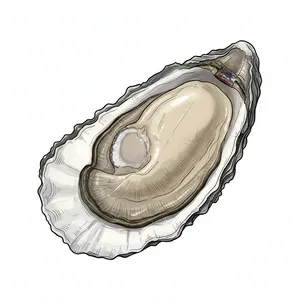
Onset
US East CoastBold Cape Cod oyster from Onset, Massachusetts. Intensely briny with strong vegetal seaweed notes and firm, meaty texture. Grown at Fisherman's Cove with access to massive water flow and nutrients.
Briny, vegetal flavors from US East Coast (brininess 5/5). Finish: long, salty, strong vegetal seaweed notes.
Frequently Asked Questions
What does it mean for an oyster to be briny?
Brininess describes how salty and sea-forward an oyster tastes, driven largely by the salinity of the water it grows in. Briny oysters deliver a clean, bracing hit of salt and minerality, often before any sweet or creamy notes appear.
Where do the briniest oysters come from?
Highly briny oysters typically come from cold, high-salinity waters. The exact origin varies by variety, and you can see each oyster’s region listed on its card below.
How should I serve briny oysters?
Briny oysters shine on the half shell with their own liquor. A few drops of lemon or a sharp mignonette can balance the salt, but many enthusiasts prefer them completely plain.