Best Oysters in August
Yes, you can eat oysters in August — modern farming and refrigeration have retired the strict "no R months" rule. It is still late spawning season for wild-type oysters in warm water, so August rewards choosing cold-water varieties and triploid farmed oysters that stay firm and sweet through the heat.
Late summer is the last stretch of the selective season. Some warm-water oysters that spawned earlier are beginning to recover, while cold-water and triploid oysters have been steady all along. As in July, origin matters more now than at any other time of year.
August is also a fine month for cooked oysters if a raw option looks thin: grilled or broiled oysters are forgiving of softer summer texture. But a well-sourced cold-water oyster on ice, eaten outdoors in August, is one of the season's pleasures — no rule against it.
Top picks
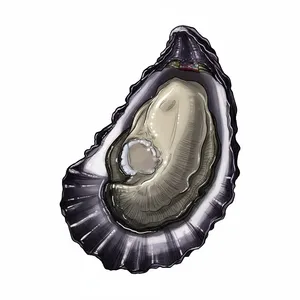
Black Pearl
Canada West CoastSmall Pacific oyster with distinctive smooth, dark purple-black shells. Tumbled cultivation produces delicate, deep-cupped shells with mild, buttery meat and a clean nori finish.
Mild, buttery flavors from Canada West Coast with a mild profile (brininess 2/5). Finish: metallic, clean with buttery nori notes.
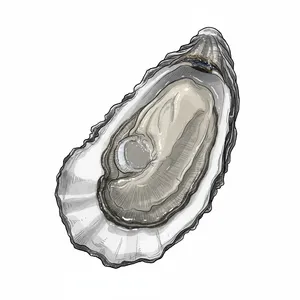
Blue Point (Great South Bay)
US East CoastThe legendary Blue Point oyster, restored to its original Great South Bay home. Full-salt brininess with sweet honeydew finish and distinctive pine and anise notes. A historic American favorite since the 1820s.
Briny, sweet flavors from US East Coast (brininess 4/5). Finish: crisp, clean, refreshing with honeydew notes.
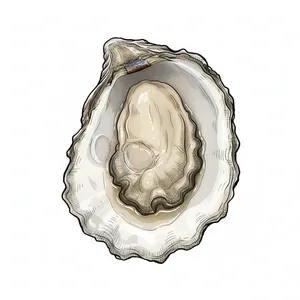
Bodega Bay Kumamoto
US West CoastA petite, deep-cupped Kumamoto oyster from California's Bodega Bay. Delicately sweet with fruity, honeydew melon notes and mild brininess. Perfect for beginners and connoisseurs alike.
Sweet, fruity, melon flavors from US West Coast with a mild profile (brininess 2/5). Finish: honeydew melon, fruity, lingering sweetness.
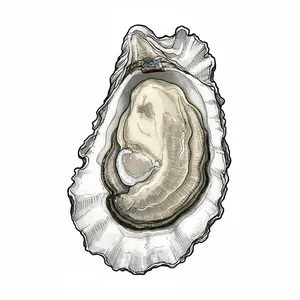
Buckley Bay
Canada West CoastA premium Pacific oyster from Baynes Sound, British Columbia. Tray-raised and beach-hardened for firm meats and strong shells. Balanced brininess with distinctive melon and cucumber finish.
Briny, melon, clean flavors from Canada West Coast (brininess 3/5). Finish: light melon and cucumber, sweet and refreshing.
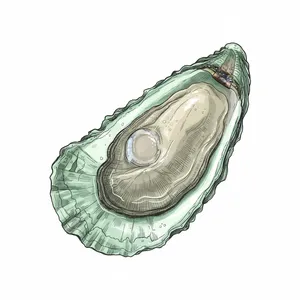
Colville Bay
Canada East CoastCanada's most sought-after oyster. Stunning jade shells, crunchy texture, and bright nutty-sweet flavors with a floral lemon zest finish.
Briny, nutty, sweet flavors from Canada East Coast (brininess 3/5). Finish: lingering floral lemon zest.
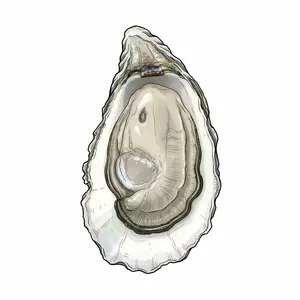
Conway Cup
Canada East CoastA deeply cupped Prince Edward Island oyster from Cascumpec Bay. Sweet and delicate with mild brininess and a clean finish. Bottom-grown on sandy substrate for firm, full meats.
Sweet, mild brine flavors from Canada East Coast (brininess 2/5). Finish: clean, sweet, refreshing.
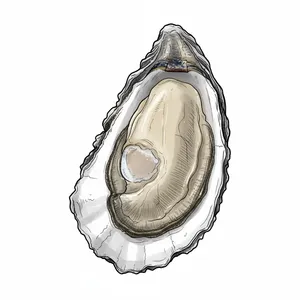
Daisy Bay
Canada East CoastA well-balanced Prince Edward Island oyster grown wild in red bay mud. Leads with bright salinity and finishes with mild cucumber smoothness and sweet notes. Cultivated for 4-6 years in pristine northern waters.
Briny, sweet flavors from Canada East Coast (brininess 3/5). Finish: mild cucumber smoothness with sweet notes.
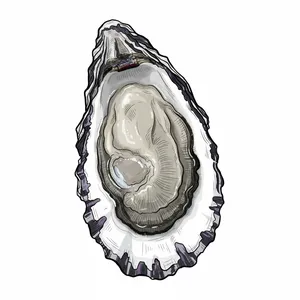
Duxbury
US East CoastA balanced New England classic. Plump and tender with harmonious briny-sweet flavor, buttery notes, and a clean finish.
Briny, sweet, buttery flavors from US East Coast (brininess 3/5). Finish: clean, salty, slightly sweet.
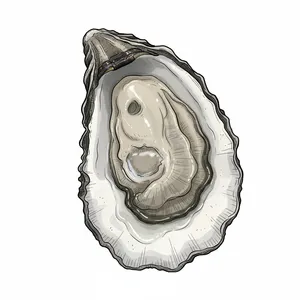
Gigamoto
Canada West CoastA petite farm-raised Pacific oyster from Deep Bay, British Columbia. Small and delicate with balanced brine and sweetness, finishing with distinctive slightly smoky, vegetable-like notes.
Briny, sweet, mild flavors from Canada West Coast (brininess 3/5). Finish: slightly smoky with vegetable-like notes.
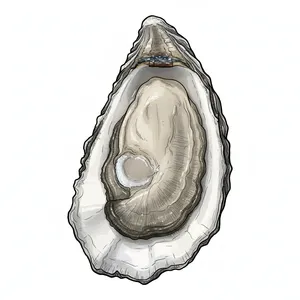
Gulf Coast
US Gulf CoastWild-harvested oyster from the warm Gulf of Mexico. Large, mild, and creamy with low salinity and soft texture. The affordable, all-purpose oyster that built America's oyster culture—perfect for cooking.
Mild, clean flavors from US Gulf Coast with a mild profile (brininess 2/5). Finish: mild, soft, mineral-forward.
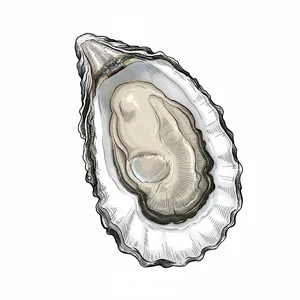
Henderson Inlet
US West CoastA community-farmed Puget Sound oyster from a restored watershed. Small and plump with sweet, buttery meat, light salinity, and a distinctive cucumber-earthy finish. All proceeds support water quality restoration.
Sweet, buttery, mild brine flavors from US West Coast (brininess 2/5). Finish: clean, crisp cucumber finish with earthy sweetness.
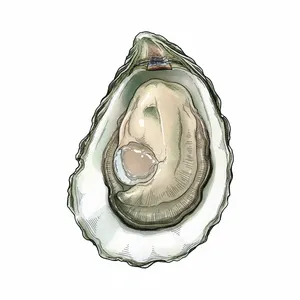
Hog Island Kumamoto
US West CoastExceptionally sweet Kumamoto from Humboldt and Tomales Bay. Tiny, deep-cupped oysters with creamy texture and honeydew-watermelon flavors. Virtually no brininess makes them perfect for beginners.
Sweet, melon, creamy flavors from US West Coast with a mild profile (brininess 1/5). Finish: sweet honeydew with creamy watermelon notes.
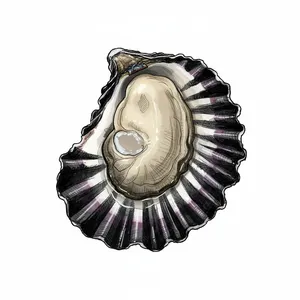
Hog Island Sweetwater
US West CoastThe signature California oyster from Tomales Bay. Rich and sweet with creamy, buttery texture, balanced brine, and a slightly smoky finish.
Sweet, briny, creamy flavors from US West Coast (brininess 4/5). Finish: lasting brine with slightly smoky, metallic notes.
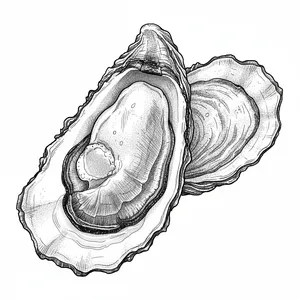
Hollywood
US East CoastUpper Chesapeake Bay oyster from Maryland's Patuxent River. Sweet and creamy with distinctive mineral and mossy notes from fossil-lined creeks. Complex flavor with a crisp, flinty finish.
Sweet, mineral flavors from US East Coast with a mild profile (brininess 2/5). Finish: crisp, flinty, clean.
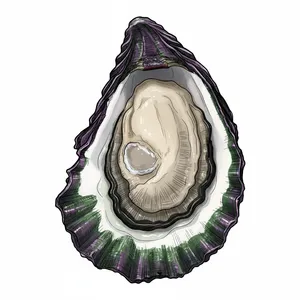
Judd Cove
US West CoastA mild, sweet Pacific oyster from Orcas Island in Washington's San Juan Islands. Features beautiful purple and green swirled shells, creamy white meat with a distinctive black mantle, and a clean vegetal flavor with minimal salinity. Highly sought after by discerning Seattle chefs.
Sweet, vegetal flavors from US West Coast with a mild profile (brininess 2/5). Finish: clean, mild, easy finish.
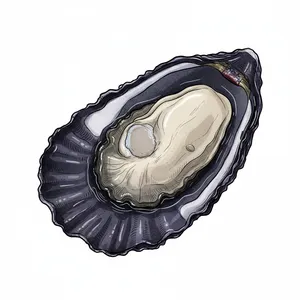
Kusshi
Canada West CoastThe 'ultimate' tumbled oyster. Intensively shaped in mechanical drums to create a smooth, purple-black shell with an exceptionally deep cup and pillowy meat. Clean, delicate flavor with mild brininess.
Clean, delicate, briny flavors from Canada West Coast (brininess 3/5). Finish: clean with mild fruity notes.
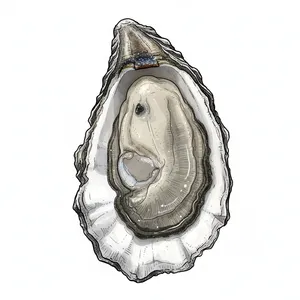
La Saint Simon
Canada East CoastSmall, delicate oyster from New Brunswick's Acadian Peninsula. Suspension-cultured with a firm texture, medium brininess, and a distinctive sweet-citrus finish that showcases the Maritime's refined oyster style.
Briny, sweet, citrus flavors from Canada East Coast (brininess 3/5). Finish: sweet-citrus, clean, buttery.
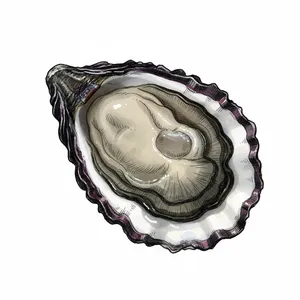
Marina's Top Drawer
Canada West CoastDeepwater suspended-tray oyster from Cortes Island, BC. Exceptionally clean and slightly sweet with subtle brininess. Features a distinctive frilly, black-and-purple shell with delicate, refined flavor.
Clean, sweet flavors from Canada West Coast with a mild profile (brininess 2/5). Finish: clean, refreshing, subtly sweet.
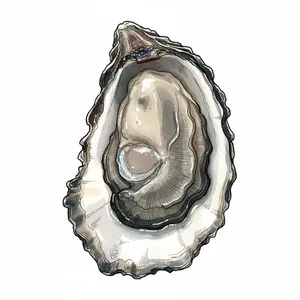
Miyagi
US West CoastA Pacific Northwest favorite with Japanese heritage. Full-bodied and meaty with a crisp, nutty flavor, mild brine, and balanced fruit and vegetal notes.
Nutty, crisp, briny flavors from US West Coast (brininess 3/5). Finish: clean, crisp with lingering fruit and vegetal notes.
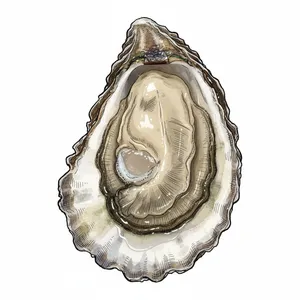
Oysterville Select
US West CoastFarm-raised Pacific oyster from Willapa Bay, Washington. Known for their smooth texture, deep cup, and delicate balance of brine and sweetness with a clean, crisp finish from pristine West Coast waters.
Briny, sweet, clean flavors from US West Coast (brininess 3/5). Finish: clean, crisp, delicate balance of brine and sweetness.
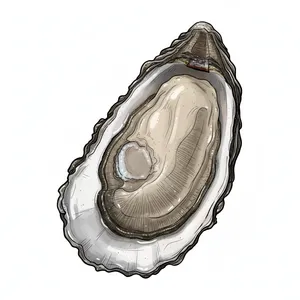
Rappahannock River
US East CoastA sweet, buttery oyster with low salinity and Blue Ridge minerality. Perfect for beginners and an exceptional match for Chardonnay.
Sweet, buttery, mineral flavors from US East Coast with a mild profile (brininess 2/5). Finish: clean, crisp, refreshing.
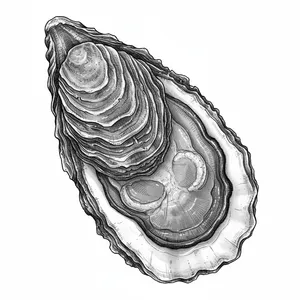
Raspberry Point
Canada East CoastA substantial PEI oyster with impressive size and balance. Briny with a clean, sweet finish and firm, plump meat.
Briny, sweet flavors from Canada East Coast (brininess 4/5). Finish: clean, sweet, refreshing.
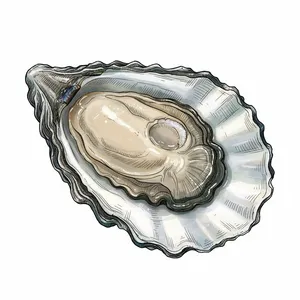
Shigoku
US West CoastTumbled Pacific with firm texture. Cucumber, melon, clean brine.
Sweet, cucumber flavors from US West Coast with a balanced profile (brininess 3/5). Finish: crisp, clean, refreshing.
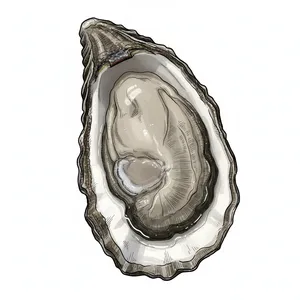
Sydney Rock
AustraliaAustralia's signature oyster. Mild, sweet, and luxuriously creamy with a smooth finish that makes it perfect for beginners.
Sweet, creamy flavors from Australia with a mild profile (brininess 2/5). Finish: smooth, sweet, lingering buttery notes.
Frequently Asked Questions
Can you eat oysters in August?
Yes. With modern refrigeration and farmed — often sterile triploid — oysters, August oysters are safe and can be excellent. Choose cold-water origins for the best texture and flavor.
Where did the "R month" rule come from?
The advice to eat oysters only in months with an R (September–April) dates back centuries, guarding against spoilage in warm weather before refrigeration and against thin, milky spawning oysters. Modern handling has made it a flavor guideline rather than a safety rule.
Are cooked oysters a good option in summer?
Yes — grilling or broiling is forgiving if raw options look thin from spawning. That said, cold-water and triploid oysters remain excellent raw all summer.