Best Oysters in December
December is peak oyster season. Cold winter water puts oysters in their best condition of the year — firm, plump, and sweet with stored glycogen — and the month's festive raw platters are a tradition built on that fact. It is an "R month," but more importantly it is simply when oysters taste their best.
Early winter oysters are at or near their annual peak. Brininess is bright, texture is dense, and the glycogen sweetness of cold-water oysters is in full effect. Every major region is in season, so December menus are as broad as they get.
Oysters and celebration go together in December — they are a Christmas and New Year's Eve staple from Paris to New Orleans. Pair a mixed platter with Champagne, and if you shuck at home for a party, chill everything well and shuck as close to serving as possible.
Top picks
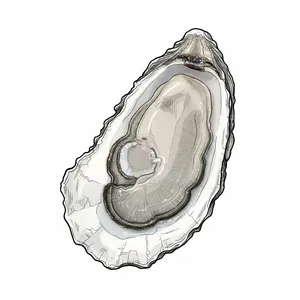
38 Degrees North
US East CoastA balanced Chesapeake Bay oyster. Mild, slightly sweet with refined brine and a clean finish. Firm and meaty from floating cage cultivation.
Sweet, mild brine flavors from US East Coast (brininess 2/5). Finish: clean, refreshing, refined.
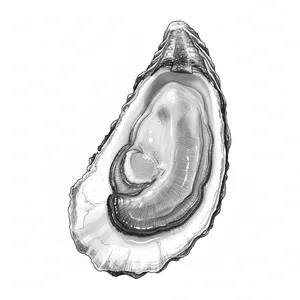
Bagaduce
US East CoastA distinctive Maine oyster from the Bagaduce River. Medium briny with clean sweetness, pronounced umami, and savory smoky notes. Sun-grown in floating bags with gnarly shells and full meats.
Briny, metallic, umami flavors from US East Coast (brininess 3/5). Finish: clean, sweet mineral finish.
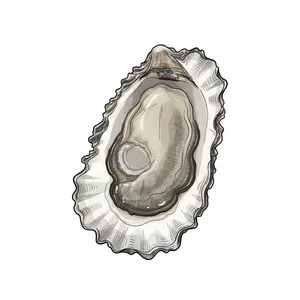
Bald Point
US West CoastSmall, beach-cultured Pacific oyster from Hood Canal, Washington. Low brininess with a sweet, delicate flavor and distinctive musky finish. Hardy shells from intertidal cultivation.
Sweet, mild brine flavors from US West Coast (brininess 2/5). Finish: mild, clean, musky finish with subtle lettuce-like notes.
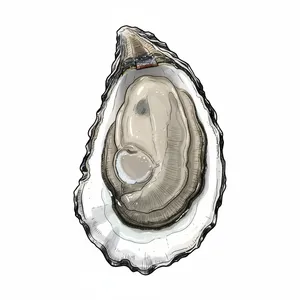
Barnstable
US East CoastA classic Cape Cod Bay oyster from historic Barnstable Harbor. Sweet and nutty with firm, crunchy texture, balanced brine, and a distinctive lobster-stock finish reminiscent of a New England clambake.
Sweet, briny, nutty flavors from US East Coast (brininess 3/5). Finish: clean with seaweed notes and lobster-stock character.
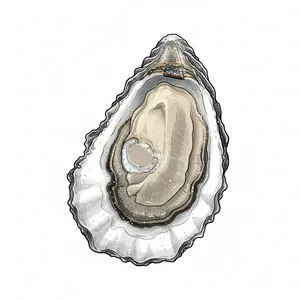
Barron Point
US West CoastHand-sized Pacific oyster from Little Skookum Inlet in southern Puget Sound. Sweet and mildly salty with plump, tender meat and a distinctive musky finish. A well-balanced West Coast favorite.
Sweet, mild brine flavors from US West Coast (brininess 2/5). Finish: musky, mildly salty finish.
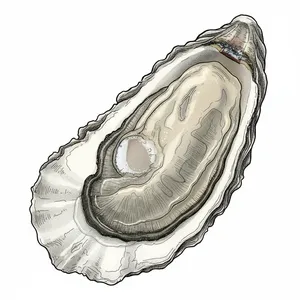
Basket Island
US East CoastA quintessential Maine oyster from Casco Bay. Medium to large size with classic Northeast salinity, firm texture, and balanced brininess. Clean and refreshing with a perfect cup size.
Briny, clean flavors from US East Coast (brininess 3/5). Finish: clean, refreshing, balanced.
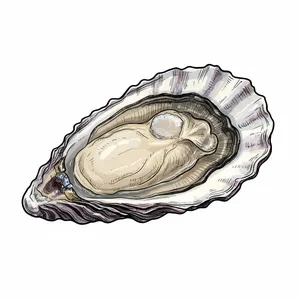
Baynes Sound
Canada West CoastTray-raised and beach-hardened oyster from British Columbia's productive Baynes Sound. Medium salty with a clean, refreshing cucumber finish and balanced mineral sweetness. The archetypal BC oyster.
Briny, sweet, cucumber flavors from Canada West Coast (brininess 3/5). Finish: clean cucumber finish with light brine.
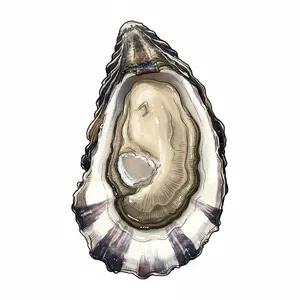
Baywater Sweet
US West CoastBoutique Pacific oyster from Thorndyke Bay in Hood Canal, Washington. Deep-cupped with exceptionally sweet flavor balanced by high brininess and a rich umami finish. Tumbled in tides, producing strong shells and full meat.
Sweet, briny flavors from US West Coast (brininess 4/5). Finish: sweet-salty with rich umami finish.
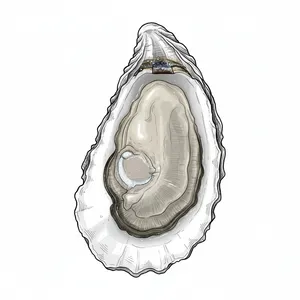
Beach Point
US East CoastA boutique oyster from Barnstable Harbor, Cape Cod. Meaty and plump with light brininess, bright sweet cream flavor, and a crisp finish. Only 30,000 raised annually with meticulous care.
Sweet, light brine, cream flavors from US East Coast (brininess 2/5). Finish: sweet cream with a crisp, bright finish.
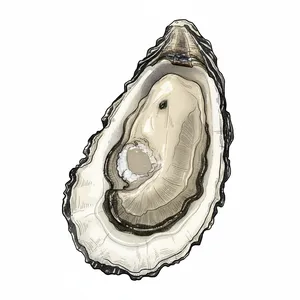
Beausoleil
Canada East CoastThe perfect starter oyster from New Brunswick's Miramichi Bay. Small, refined, and elegantly mild with yeasty notes, subtle hazelnut sweetness, and a creamy texture. Farmed in floating trays that ensure pristine, uniform shells.
Mild brine, sweet, yeasty flavors from Canada East Coast (brininess 2/5). Finish: clean, bright, refined with subtle slate notes.
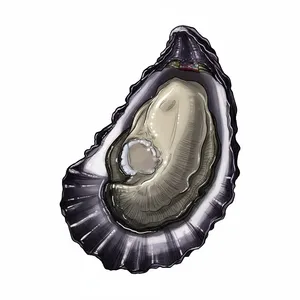
Black Pearl
Canada West CoastSmall Pacific oyster with distinctive smooth, dark purple-black shells. Tumbled cultivation produces delicate, deep-cupped shells with mild, buttery meat and a clean nori finish.
Mild, buttery flavors from Canada West Coast with a mild profile (brininess 2/5). Finish: metallic, clean with buttery nori notes.
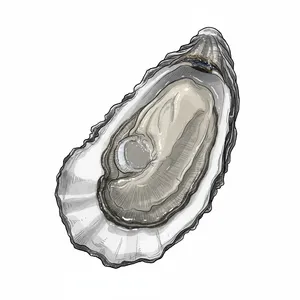
Blue Point (Great South Bay)
US East CoastThe legendary Blue Point oyster, restored to its original Great South Bay home. Full-salt brininess with sweet honeydew finish and distinctive pine and anise notes. A historic American favorite since the 1820s.
Briny, sweet flavors from US East Coast (brininess 4/5). Finish: crisp, clean, refreshing with honeydew notes.
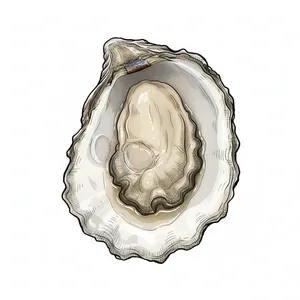
Bodega Bay Kumamoto
US West CoastA petite, deep-cupped Kumamoto oyster from California's Bodega Bay. Delicately sweet with fruity, honeydew melon notes and mild brininess. Perfect for beginners and connoisseurs alike.
Sweet, fruity, melon flavors from US West Coast with a mild profile (brininess 2/5). Finish: honeydew melon, fruity, lingering sweetness.
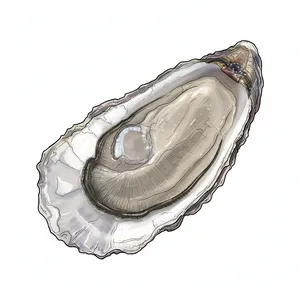
Bodie Island
US East CoastThe Outer Banks' first farmed oyster from North Carolina. Medium-sized with balanced salinity, offering a harmonious blend of sweet and salt with firm texture from off-bottom tray cultivation.
Briny, sweet flavors from US East Coast (brininess 3/5). Finish: clean, balanced, slightly sweet.
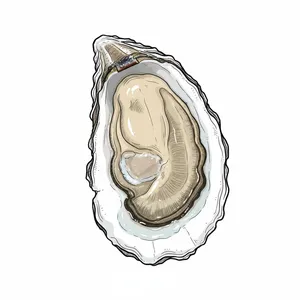
Bogues Bay
US East CoastThe first commercial Suminoe oyster from Chincoteague Inlet, Virginia. Features a pretty white shell, firm meat, and mild, sweet flavor that provides a good impersonation of the native Chesapeake virginica.
Mild, sweet flavors from US East Coast with a mild profile (brininess 2/5). Finish: mild, clean, subtle.
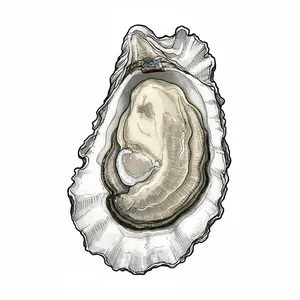
Buckley Bay
Canada West CoastA premium Pacific oyster from Baynes Sound, British Columbia. Tray-raised and beach-hardened for firm meats and strong shells. Balanced brininess with distinctive melon and cucumber finish.
Briny, melon, clean flavors from Canada West Coast (brininess 3/5). Finish: light melon and cucumber, sweet and refreshing.
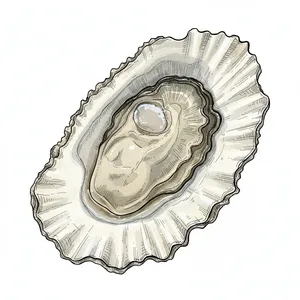
Calm Cove
US West CoastBeach-grown Pacific oyster from Washington's Totten Inlet and Hood Canal. Sweet and creamy with balanced brininess and a clean mineral finish. Cultivated by the Fagergren Family since 1946 in the nutrient-rich waters of South Puget Sound.
Sweet, briny, creamy flavors from US West Coast (brininess 3/5). Finish: mineral, clean, lingering.
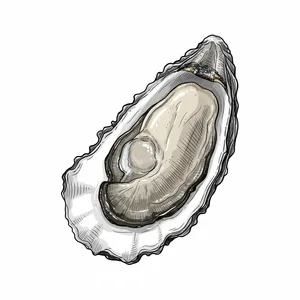
Caraquet
Canada East CoastA delicate wild-harvested oyster from New Brunswick's legendary Caraquet Bay. Small and slow-grown over four years, with subtle brine, mineral notes, and a refined clean finish that makes it the perfect accessible oyster.
Delicate, mild brine flavors from Canada East Coast (brininess 2/5). Finish: clean, salty, refined.
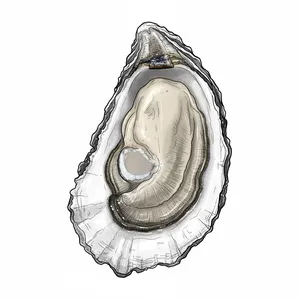
Cedar Island Select
US East CoastA flagship North Carolina oyster from Cedar Island Bay's pristine waters. Large and deep-cupped with balanced brininess and a distinctive sweet, buttery finish. Sustainably farmed in floating cages.
Briny, sweet, buttery flavors from US East Coast (brininess 3/5). Finish: sweet and buttery.
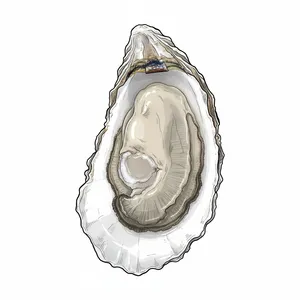
Chadwick Creek
US East CoastDelicate and buttery North Carolina oyster from Pamlico Sound. Deep-cupped with bright white shells, featuring a sweet finish and balanced brininess. Cultivated in off-bottom cages.
Buttery, sweet, briny flavors from US East Coast (brininess 3/5). Finish: sweet, clean, buttery.
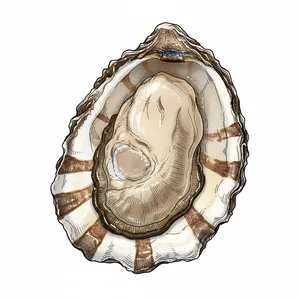
Chelsea Gem
US West CoastThe original tide-tumbled oyster from Eld Inlet's pristine waters. Deep-cupped with plump meats, mild brininess, silky creamy texture, and a signature sweet cucumber finish. A true Pacific Northwest gem.
Sweet, cucumber, creamy flavors from US West Coast with a mild profile (brininess 2/5). Finish: sweet mineral cucumber finish with warm brine.
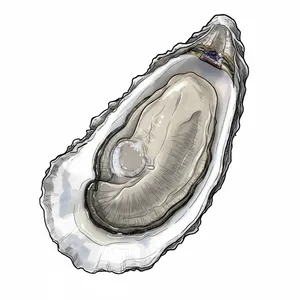
Chesapeake
US East CoastClassic Chesapeake Bay oyster from Maryland and Virginia. Sweet and buttery with balanced brininess and a smooth, creamy texture. Grown in brackish waters that create the bay's signature mild, refined flavor.
Sweet, briny flavors from US East Coast (brininess 2/5). Finish: smooth, buttery, subtly sweet.
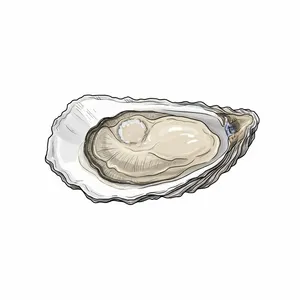
Chesapeake Gold
US East CoastSustainably farmed in the brackish waters of St. Jerome Creek, southern Maryland. Large and plump with complex, sweet flavor, balanced salinity, and distinctive earthy, rusty finish.
Sweet, complex flavors from US East Coast with a balanced profile (brininess 3/5). Finish: slightly rusty, alkaline, earthy.
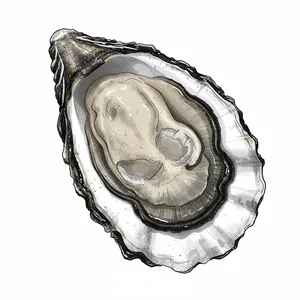
Cold Creek
US West CoastCultivated Pacific oyster from Southern Puget Sound with plump, sweet meat and midsized white-and-black shells. Balanced brininess with a distinctive salty-melon finish reminiscent of a New England clambake.
Sweet, briny, melon flavors from US West Coast (brininess 3/5). Finish: salty-melon with a delicate sweetness.
Frequently Asked Questions
Are oysters in season in December?
Yes — December is peak season. Cold water keeps oysters firm and plump, and stored glycogen makes them at their sweetest. Nearly every growing region is in top condition.
Why are oysters popular for the holidays?
Their peak season aligns with the festive calendar. Raw oyster platters are a Christmas and New Year's tradition in France, New Orleans, and beyond — celebration food that happens to be at its seasonal best.
What pairs with December oysters?
Champagne is the classic partner for a winter oyster platter. Chablis, Muscadet, dry sherry, or stout are equally good matches for cold-season brine and sweetness.